Explore our top-selling Linux players engineered for vehicle systems integration, featuring low-latency wireless protocols, advanced audio DSPs, and robust build standards.
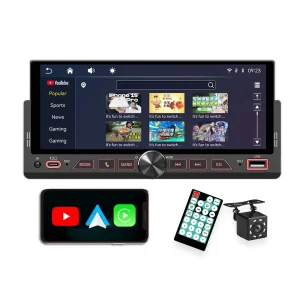
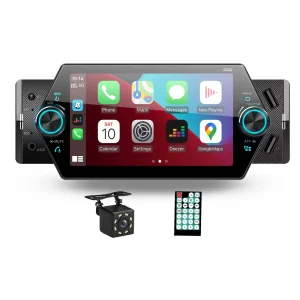
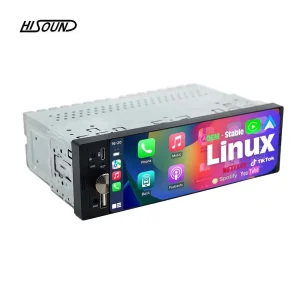
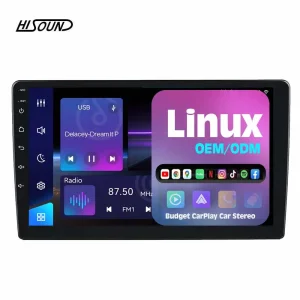
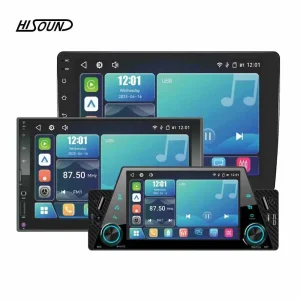
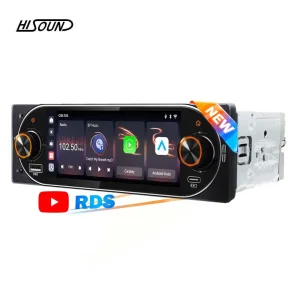
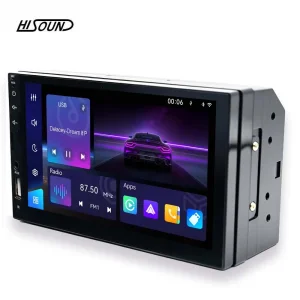
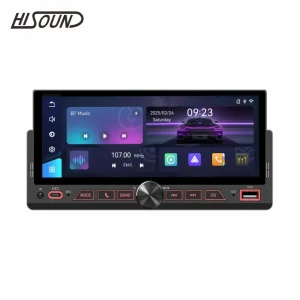
The global automotive environment is undergoing a paradigm shift, transitioning from simple hardware-driven dashboards to software-defined cockpits. As vehicle architectures become more sophisticated, selecting the right operating system for head units is a vital engineering decision. While Android systems dominate consumer-facing smart devices, Linux has emerged as the system of choice for Tier-1 suppliers and global OEMs seeking stability, performance optimization, and longevity.
Compared to alternative OS platforms, Linux is valued for its zero-overhead kernel architectures. It runs smoothly on highly cost-efficient hardware (such as 512MB to 1GB RAM chips), eliminating unnecessary computing baggage. This allows hardware to operate with ultra-short boot sequences—often reaching the splash screen and active reverse camera view in under 3 seconds. This performance is critical for complying with automotive safety rules such as FMVSS 111 (rear visibility standards).
| Engine Parameter | Linux OS Platform | Android OS Platform |
|---|---|---|
| Cold Boot Speed | Fast (2-4 seconds) | Slow (15-30 seconds) |
| RAM Footprint Requirement | Low (256MB - 1GB) | High (2GB - 8GB) |
| System Degradation Over Time | Negligible | High (Requires frequent cleaning) |
| Thermal Dissipation Profile | Low heat production | Moderate to High heat production |
| Licensing & Licensing Fees | Open-source, royalty-free | Complex compliance checks |
Global distributors and automotive outfitters face critical challenges regarding quality assurance, thermal failures, compatibility, and supply chain timelines.
Commercial automotive players encounter high defect rates in extreme weather conditions. High-ambient regions require players with optimized thermal heat-sinking structures that run stable under temperatures up to 85°C.
Integration issues with modern vehicle systems can lead to project delays. Importers demand plug-and-play solutions with customizable CAN-bus configurations for original steering wheel controls, vehicle status displays, and fiber-optic amplifiers.
Consumer electronics often feature short lifecycles (12-18 months). Professional B2B buyers require automotive-grade chipsets (such as Rockchip or Allwinner SoC series) that guarantee a hardware supply run of at least 5-7 years.
We design, configure, and construct high-performance Linux player hardware to align with your regional regulatory standards and application parameters.
Customize screen sizes (from 5-inch compact interfaces to 13-inch floating displays), screen brightness up to 1000 nits, panel bonding (air vs. full OCA lamination), and custom mounting brackets for specialty vehicles.
Custom system UI, regional mapping data integrations, voice guide engines, route calculation pipelines, and proprietary fleet management app installations configured directly at the factory level.
Tailored wiring harnesses (ISO, quadlock, or custom connector pins), CAN-bus integration modules for golf carts, agricultural machinery, utility trucks, and resort shuttles.
Private-label laser engraving, custom startup animations, unique packaging materials, and firmware adaptation backed by our in-house design engineering teams.
Our state-of-the-art production facility ensures that every Linux media player meets the most demanding environment criteria through exhaustive mechanical and digital validation.
Reviewing display sizes, waterproof configurations, CAN parameters, and regional software localization configurations to establish a detailed product requirement document.
Hardware schematics design, PCB layout optimization, customized metal housings, and user interface customization by our engineering division.
Fabricating evaluation samples, performing drop testing, thermal validation, waterproof testing, and in-vehicle mounting evaluations before manufacturing authorization.
Entering high-efficiency production lines backed by rigorous automated testing systems, detailed quality control logs, and ongoing lifecycle firmware support.
Our quality verification processes leverage professional testing instrumentation to guarantee structural integrity and component longevity. Each production run is validated through:
Superior Waterproofing Integration: Our proprietary screen sealing process utilizes imported foam adhesives and a high-pressure defoaming chamber. This ensures a hermetic, moisture-free seal between the display cover glass and internal housing, preventing condensation or water ingress.
Innovative Anti-Theft & Integrated DVR: We offer a patented, removable quick-release head unit chassis. This architecture deters theft in open-cockpit vehicles while supporting integrated DVR cameras, eliminating complex dual-wiring setups.
High-Brightness Full Lamination: Our panels utilize 2.5D cover glass coupled with optical OCA full lamination. This design eliminates the internal air gap, significantly reducing glare and reflection to ensure readability under direct sunlight.
Navigating the complex landscape of international trade requires compliance with strict safety and performance standards. As an experienced exporter, our manufacturing processes are certified to meet international requirements, protecting our distributors and retail partners from operational risks.
Our hardware designs undergo third-party test programs. We maintain active certifications including CE, FCC, RoHS, ISO 9001, and IPX8 / IP68 waterproof certifications. This ensures that every Linux MP5 player, motorcycle CarPlay interface, and ATV sound bar meets the necessary safety and durability standards for distribution in Europe, North America, and the APAC region.
Furthermore, our software supports multiple languages, allowing local distributors to quickly update regional localization settings without needing system-level BIOS modifications.
Our engineering division remains committed to developing next-generation in-vehicle capabilities, focusing on smart cockpit consolidation, wireless performance, and enhanced hardware durability.
Implementing hypervisor virtualization layers that allow Linux infotainment applications and real-time operating systems (RTOS) to run on a single chip, ensuring instrument cluster safety.
Integrating Wi-Fi 6E capabilities and advanced Bluetooth modules to deliver latency-free wireless Apple CarPlay and Android Auto performance, even in high-interference urban areas.
Deploying on-device machine learning models within Linux players to optimize UI layouts, manage active energy conservation systems, and enable offline natural voice command controls.
Find detailed technical explanations regarding our Linux player systems, customization options, and quality validation processes.
Browse our extended product portfolio, including robust off-road audio soundbars, waterproof motorcycle navigators, and high-performance floating-screen Android units.
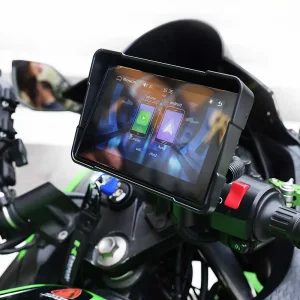
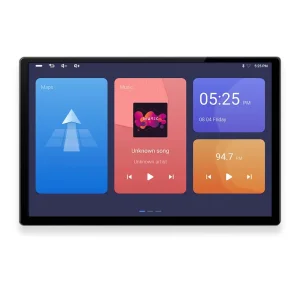
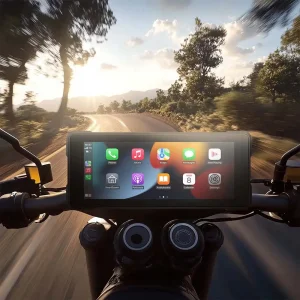
Founded in 1979, Hisound has established a reputation for manufacturing excellence in automotive electronics. Over 44 years of development, we have grown into a competitive enterprise specializing in hardware engineering, software development, and global platform distribution. In 2004, we officially launched the REFINE Rui feng brand, solidifying our footprint in global OEM markets.
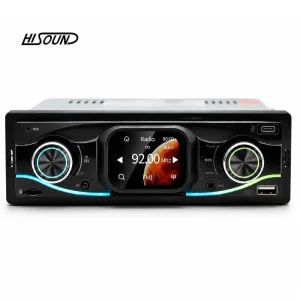
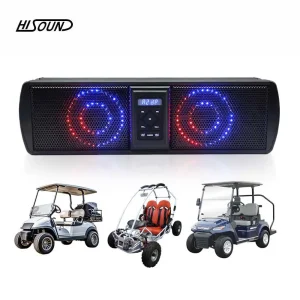
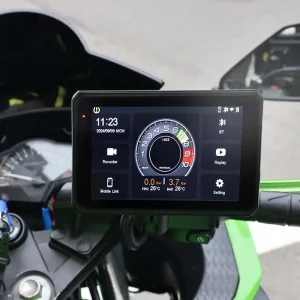
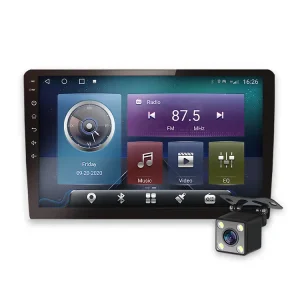
Today, our technical capabilities span both Linux and Android operating systems. This allows us to supply car players, motorcycle CarPlay screens, and rugged off-road sound bars that meet the needs of international importers, distributors, and e-commerce brands.
 Hisound carAudio