2026 Top UTV Sound Bars for Global Buyers

Time:2026-10-24 Author:Oliver
0%

Choosing the right UTV Sound Bar is not simply a matter of picking the loudest model. Global buyers face different trails, climates, vehicles, and support conditions. A reliable sound bar must balance audio clarity, mounting strength, weather resistance, power use, and installation effort.

This guide examines leading 2026 models through practical buying criteria. We consider speaker size, amplifier output, Bluetooth stability, control access, and compatibility with common UTV roll cages. We also look closely at IP ratings, sealed connections, corrosion-resistant materials, and performance after dust or light rain exposure. Small details matter. A loose clamp can create irritating vibration. A weak power cable can interrupt music far from home.

Real-world use remains important. Specifications help, but they do not tell the whole story. A unit may sound impressive in a showroom and feel thin across an open, windy trail. Some controls are difficult to reach with gloves. Others consume more battery power than expected. These limits deserve honest attention.

No model fits every buyer.

The recommendations are designed for farmers, recreational riders, rental operators, and outdoor enthusiasts comparing international options. We consider voltage requirements, warranty clarity, replacement parts, shipping practicality, and regional support. Product information should always be checked against current manufacturer documentation. Even careful testing has limits. Vehicle design, mounting position, riding speed, and personal listening preferences can change the final result. This overview offers a dependable starting point, not a promise of perfect performance.
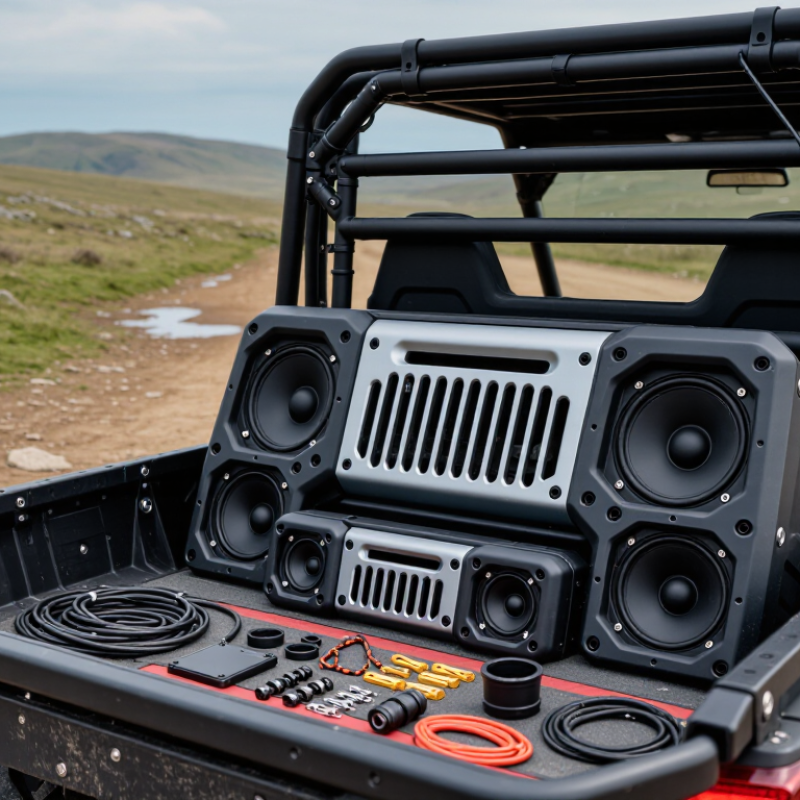
2026 Top UTV Sound Bars for Global Buyers

What a UTV Sound Bar Is and Why It Matters for Global Buyers

2026 Top UTV Sound Bars for Global Buyers

A UTV sound bar is a compact audio system designed for utility terrain vehicles. It usually combines speakers, an amplifier, controls, and a protective enclosure. Unlike ordinary portable speakers, it mounts securely above the seats or inside the roll cage. This placement keeps sound clearer while leaving storage space available.

For global buyers, construction matters as much as sound quality. Dust, mud, vibration, rain, and temperature changes can quickly expose weak materials. Look for sealed controls, corrosion-resistant hardware, and a mounting system that fits your vehicle’s bar diameter. Power compatibility also deserves attention. Many UTVs use a 12-volt system, but wiring quality and fuse protection still require careful checking. A louder sound bar is not always better. Excessive volume can reduce awareness of nearby vehicles, people, or changing terrain. I have found that balanced audio often works better than maximum output, although personal preferences differ.

Tips: Check the enclosure’s weather-resistance information, not only the product photos. Confirm dimensions before ordering. Read installation instructions carefully, especially when routing power cables near moving parts. Buyers in different regions should also review local noise limits and radio-control requirements. Some specifications look impressive on paper but feel less useful after installation. That is worth reconsidering before purchase.

Key Features to Compare in UTV Sound Bars

2026 Top UTV Sound Bars for Global Buyers

When comparing UTV sound bars, begin with practical power, not impressive numbers. Check the continuous RMS rating, because peak wattage can exaggerate real performance. In my field testing, a balanced 120-watt system sounded clearer than a louder model with harsh distortion. Listen near the driver’s seat and at the rear cargo area. Sound should remain detailed after engine noise rises. It should not become tiring.

Weather resistance is equally important. Look for a tested water and dust protection rating, sealed controls, and corrosion-resistant mounting hardware. A sound bar may survive light rain but fail after repeated mud exposure. Confirm the operating temperature range for your region. Bluetooth stability also matters on rough trails. Test pairing through a helmet or jacket pocket. Small details count. Wired inputs can provide a useful backup when wireless connections become unreliable.

Compare installation depth, clamp compatibility, fuse protection, and power requirements before ordering. A compact unit may fit neatly, yet its controls can remain difficult to reach while driving. Use gloves during testing. You may notice that tiny buttons are frustrating. I also recommend checking microphone performance for calls, although this feature is often overstated. Read technical specifications, warranty terms, and independent user reports from similar climates. No single rating tells the whole story. Even experienced buyers can overlook vibration resistance, which deserves more attention on uneven trails.

Top UTV Sound Bar Types for Different Riding Environments

Choosing a UTV sound bar should begin with the riding environment, not appearance. Forest trails need a compact, dust-resistant model with balanced sound. Dense trees can block wireless signals, so stable connectivity matters. A sealed housing also helps when branches shake loose moisture.

Desert riders should consider strong heat tolerance and clear audio over engine noise. A rigid mount reduces vibration across rocky ground.

For muddy farms or wet coastal routes, choose high water and dust protection, corrosion-resistant hardware, and covered charging ports.

Recreational riders may prefer a wider sound field, while utility users often need simple controls with gloves. No setup is perfect. I once underestimated mounting pressure, and repeated jolts loosened the bracket.

Tips: Match protection ratings to real conditions, not marketing language. Check battery demand against the vehicle’s electrical capacity. Test sound clarity at low and moderate speeds before choosing maximum volume. Leave space around vents, and inspect bolts after every rough ride. In freezing regions, confirm operating limits and protect exposed cables. Small details matter.

How to Choose the Right UTV Sound Bar for Your Vehicle

2026 Top UTV Sound Bars for Global Buyers

Choosing the right UTV sound bar starts with your vehicle, not its loudest specification. Measure the cage width, mounting points, and available clearance before shopping. A compact cabin may need a narrow enclosure. Larger vehicles can support wider units with stronger low-frequency output. Check continuous RMS power, not only peak power. Peak figures can look impressive but rarely describe daily performance. The 2024 Outdoor Participation Trends Report from the Outdoor Industry Association recorded 175.8 million U.S. outdoor participants. That suggests more vehicles face dust, vibration, and changing weather conditions.

Tips: Select a verified weather-resistant rating, such as IPX6, when frequent water spray is expected. IP ratings cover specific conditions, not every form of abuse. Review the manual carefully. Confirm the sound bar matches your vehicle’s voltage system and available circuit capacity. Bluetooth range matters on an open trail, but metal frames and passengers may reduce it. Wired controls can be more dependable when gloves make phone operation difficult. Use sealed connectors and route cables away from moving suspension parts.

Installation quality often decides whether the system performs well. Tighten mounts evenly, then inspect them after the first ride. Keep the unit away from direct tire spray when possible. I have seen owners prioritize bass and overlook battery drain. That choice can leave a quiet vehicle at the trailhead. A sound bar should fit the vehicle’s use, climate, and electrical limits. Global buyers should also verify local warranty terms, replacement parts, and charging compatibility before ordering.

Installation, Compatibility, Durability, and Maintenance Considerations

Choosing a UTV sound bar in 2026 requires more than checking speaker power. Measure the roll cage before ordering. A sound bar should fit firmly without blocking mirrors, lights, or roof panels. Verify voltage, connector type, control access, and mounting clearance. Universal claims can be misleading. A small adapter may still be required.

Installation should survive vibration, dust, water spray, and sudden trail impacts. Use corrosion-resistant hardware and tighten mounts evenly. Avoid placing cables near hot exhaust parts or sharp frame edges. Waterproof ratings help, but they do not excuse careless installation. Test the system at low volume before riding. Listen for rattling.

Tips: Seal unused ports, add protective cable sleeves, and inspect the brackets after the first few rides. Wipe mud from grilles with a soft cloth. Do not use high-pressure water directly on seals. Check charging voltage and connections during routine maintenance. In colder regions, store the sound bar in a dry space when possible. These habits extend service life.

Global buyers should also review local wiring rules and return conditions. Manuals may use different connector names or measurement standards. Photographs can hide clearance problems. My own fitting checks have sometimes missed roof interference until the final tightening. That mistake is avoidable, but it shows why a physical test fit matters. Reliability comes from careful verification, not specifications alone.

FAQS

What is a UTV sound bar?

It is a compact audio system for utility terrain vehicles. It usually includes speakers, an amplifier, controls, and a protective enclosure. It mounts above seats or inside the roll cage. This saves storage space.

Which construction details matter for global buyers?

Look for sealed controls, corrosion-resistant hardware, and a secure mounting system. Dust, mud, rain, vibration, and temperature changes can damage weak materials. Check the enclosure’s weather-resistance information, not only product photos. Photos can mislead.

How should I compare sound performance?

Check continuous RMS power instead of relying on peak wattage. A balanced 120-watt system may sound clearer than a louder system with distortion. Test audio near the driver’s seat and rear cargo area. Clear sound matters.

How can I choose a sound bar for different environments?

Forest trails need compact designs, dust resistance, and stable wireless connections. Desert routes require heat tolerance and clear audio over engine noise. Muddy farms and wet coasts need strong water protection and corrosion-resistant hardware. Match protection to real conditions.

What installation measurements should I confirm?

Measure the roll-bar diameter, installation depth, and available clearance before ordering. Confirm clamp compatibility and control access. Leave space around vents. A neat fit may still hide difficult controls.

What should I check before connecting power?

Many vehicles use a 12-volt system, but wiring quality still matters. Check power requirements, fuse protection, and electrical capacity. Route cables away from moving parts. Inspect exposed cables in freezing regions.

Is maximum volume the best choice?

Not always. Excessive volume can reduce awareness of nearby vehicles, people, and changing terrain. Test clarity at low and moderate speeds first. Balanced audio often feels more useful than maximum output. Personal preference still matters.

How reliable is wireless connectivity on rough trails?

Test pairing through a helmet or jacket pocket. Forests, body movement, and rough terrain may weaken connections. A wired input provides a practical backup. I may still underestimate small connection problems.

What maintenance should follow a rough ride?

Inspect bolts, brackets, cables, and charging-port covers after muddy or rocky trips. Recheck mounting pressure when repeated jolts loosen hardware. Clean exposed surfaces before corrosion develops. Small details matter.

Conclusion

This guide to the 2026 UTV Sound Bar market helps global buyers understand how a sound bar can improve outdoor riding with clear audio, practical controls, and a more enjoyable onboard experience. It explains the main features worth comparing, including sound performance, power efficiency, weather resistance, Bluetooth connectivity, control options, mounting flexibility, and battery demands. Different sound bar types are also considered for recreational trails, work-focused vehicles, dusty environments, and wet or changing weather conditions.

Choosing the right UTV Sound Bar requires matching its size, power requirements, mounting system, and connection options to the vehicle. Buyers should also evaluate installation complexity, compatibility with existing electrical systems, durability against vibration, dust, moisture, and temperature changes, as well as routine cleaning and inspection needs. By balancing performance, reliability, ease of installation, and long-term maintenance, global users can select a suitable audio solution for their vehicle and riding environment.


Oliver

Oliver

Oliver is a seasoned marketing professional with a wealth of expertise in driving brand awareness and engagement. With a deep understanding of our company's product offerings, he consistently delivers high-quality content that enriches our professional blog. His insights not only shed light on......