Resort Cart Accessories can turn a basic fleet vehicle into a safer, more comfortable part of the guest experience. In 2026, the right choices will depend on how carts are actually used: shaded paths, wet docks, evening rides, or long transfers across a large property. Small details matter. A secure phone mount. A canopy that handles sudden rain. Seat covers that wipe clean between guests.
The National Golf Foundation’s 2024 participation reporting estimates that 26.6 million Americans played golf on-course in 2023. This is useful context for resorts serving golfers, but it is not proof of accessory demand. A cart fleet’s route, climate, passenger mix, and maintenance records offer more practical buying evidence. The U.S. Access Board’s accessibility guidance can also help teams consider boarding, reach, and usable space when evaluating cart layouts. Check fit and compatibility before ordering; a promising accessory is not useful if it blocks controls or complicates cleaning.
Choose for real conditions. Not showroom appeal. Compare weather resistance, installation time, warranty terms, and replacement-part availability. Ask staff what fails most often, then test shortlisted items on a working cart. No verifiable, attributable quotation from a named Resort Cart Accessories specialist was provided, so this introduction does not invent one. That restraint matters: credible recommendations should distinguish reported data from sales claims. The sections ahead will help resort operators make grounded decisions, with guest comfort and dependable daily operation in view.
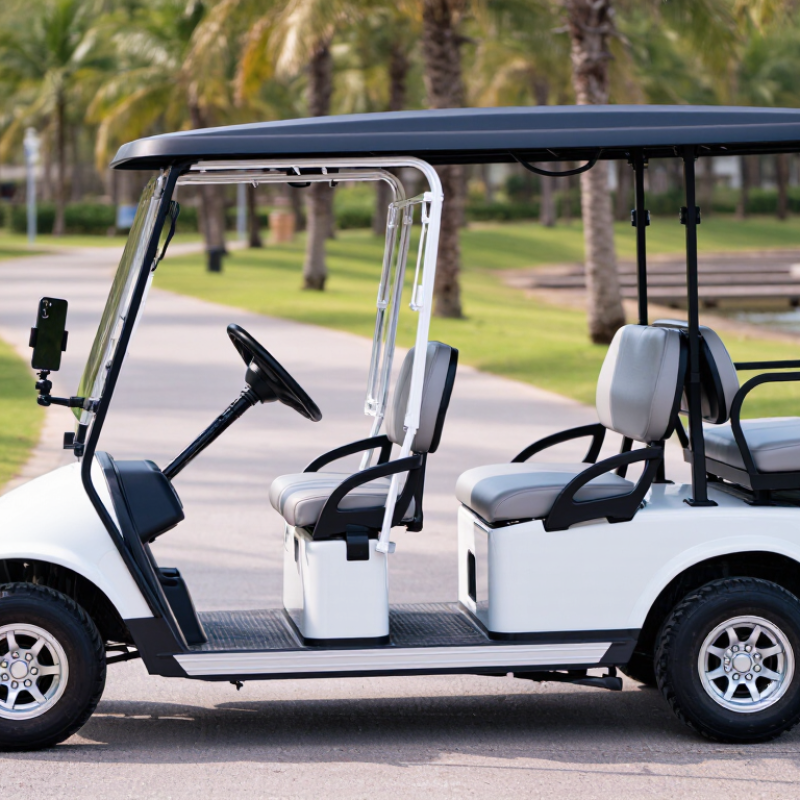
Choosing resort cart accessories in 2026 begins with the cart’s legal class. A vehicle operating above 20 and up to 25 mph may fall under the federal low-speed vehicle category. NHTSA’s FMVSS No. 500 defines key requirements, including lighting, mirrors, parking brakes, windshields, and seat belts. Accessories must support these requirements, not weaken them.
Measure the cart before ordering. Check its certified top speed, gross vehicle weight rating, seating layout, and existing wiring. A roof-mounted luggage rack should not block lamps or reduce mirror visibility. Enclosed storage needs secure latches because loose bags can become hazards during sudden braking. For passenger areas, choose handrails, weather-resistant seats, and restraint-compatible fittings. Small details matter.
NHTSA’s Traffic Safety Facts reports continue to identify speed as a major factor in serious roadway crashes. That makes speed verification more than a catalog detail. Ask for the compliance label and installation instructions. Keep records. Do not assume a resort cart becomes an LSV simply because its motor can reach 24 mph. That assumption is risky. FMVSS 500 is a federal baseline, while local operating rules may add restrictions. I would also inspect ground clearance, tire condition, and brake response after installation. Accessory weight can change handling, especially on sloped paths. A perfect checklist still misses something sometimes. Recheck it.
How to Choose Resort Cart Accessories in 2026?
Set Passenger and Cargo Needs Against the Manufacturer’s Rated Payload
Resort traffic is becoming busier. The National Golf Foundation reported approximately 531 million U.S. golf rounds in 2023. The R&A also recorded 66.6 million golfers outside the United States that year. More passengers create more demand for seats, roofs, storage boxes, and service equipment. Yet every accessory consumes payload.
Rated payload means passengers and cargo combined. Never treat it as cargo capacity alone. Suppose a cart is rated for 800 pounds. Four adults weighing 170 pounds each already use 680 pounds. Only 120 pounds remains for bags, coolers, tools, and added accessories. A rear box, canopy, or battery upgrade may reduce the useful margin. The calculation looks simple. Real slopes are not.
Check the manufacturer’s manual and the applicable ANSI/ITSDF B56.8 safety guidance before fitting equipment. Consider passenger weight, cargo location, braking distance, gradients, and uneven paths. A centered load usually behaves better than a heavy rear load. Do not rely on an accessory supplier’s marketing weight. Verify its actual mass.
Tips: Weigh common passenger groups and full cargo loads. Record the result beside the cart’s rated payload. Leave a practical reserve for wet towels, tools, and unexpected luggage. I have seen teams count only golf bags; that shortcut fails during busy weekends. Recheck the calculation after every modification.
When choosing resort cart accessories for 2026, treat an EPA UV Index of 3 or higher as a design trigger. The EPA classifies 3–5 as moderate exposure, when skin and eyes need protection. The World Health Organization also recommends protective measures from UV Index 3 onward. For resort routes, select a canopy with a dense, UV-rated roof, extended front coverage, and minimal side gaps. A pale roof may feel cooler, but color alone does not prove ultraviolet performance.
Add clear or mesh enclosures when carts travel across open fairways, pool decks, or beachfront paths. Mesh can improve airflow, yet ordinary netting may provide limited UV protection. Ask suppliers for tested UPF values, fabric test methods, and replacement guidance. Enclosures should close securely without blocking mirrors, signals, or emergency exits. Small details matter: sealed seams, corrosion-resistant fasteners, and windows that remain clear after repeated cleaning.
UV exposure accumulates.
The WHO reported approximately 1.5 million non-melanoma skin cancer cases globally in 2020, showing why routine exposure deserves attention. That statistic does not predict every passenger’s risk, and it should not replace medical advice. It does support practical shade planning. In real operations, staff may leave curtains open for ventilation, or guests may remove side panels unexpectedly. Therefore, pair canopy coverage with shaded loading points, route planning, and easy daily inspections. A perfect enclosure is unlikely. The better choice is one people will actually use.
How to use this chart: The EPA advises sun protection when the UV Index reaches 3 or higher. For resort cart use, consider a canopy that provides broad overhead shade and an enclosure with clearly stated UV-protection information, such as a UPF rating. Shade can reduce direct exposure but does not eliminate UV from reflected or scattered sunlight, so use additional sun protection when needed.
When choosing resort cart accessories in 2026, match electrical demand before appearance. A powered accessory must use the cart’s exact system voltage, such as 36V, 48V, or 72V. Do not assume a 48V cart can safely power every 48V device. Check polarity, connector type, fuse size, and the controller’s continuous current rating.
A 2024 Grand View Research analysis estimated the global golf cart market at about USD 1.7 billion in 2023, with steady growth expected through 2030. More carts also mean more accessory installations. That increases the chance of overloaded circuits. Measure the accessory’s running amperage, not only its starting demand. Keep continuous loads below the manufacturer’s circuit limit. The 2023 National Electrical Code commonly uses a 125% sizing rule for continuous loads, but cart wiring may require stricter limits.
Leave headroom.
For example, a 48V heater drawing 15 amps needs different protection from LED lighting drawing 2 amps. A converter may be necessary when a 12V accessory meets a 48V cart. Select a converter with adequate wattage and ventilation. Keep wiring protected from wet grass, pressure washing, and sharp seat frames. In field inspections, loose grounds often cause intermittent failures before a fuse opens. I still recommend confirming the rating with a qualified technician, because published cart specifications can be incomplete or outdated.
Choosing resort cart accessories in 2026 starts with the road-use question. A cart used only on private paths may follow different rules. A cart entering public roads may qualify as a low-speed vehicle under FMVSS No. 500. That classification matters. It affects lighting, mirrors, braking, glazing, and identification equipment. Verify the cart’s speed capability and gross vehicle weight rating before ordering parts. The paperwork is less exciting, but it prevents expensive rework.
For road-use add-ons, check headlamps, front and rear turn signals, tail lamps, stop lamps, and reflex reflectors. FMVSS 500 also addresses a parking brake, rearview mirrors, a windshield, and a vehicle identification number. Each accessory should match the cart’s electrical system and mounting structure. A lamp that looks bright in a garage may be poorly visible in rain. Mirrors can vibrate loose on rough resort roads. Small details matter.
Ask the supplier for fitment data, installation instructions, and test records for the finished vehicle. Check beam aim, switch labeling, wire protection, and brake performance after installation. Keep photographs and serial records for maintenance reviews. Do not rely on a generic “street legal” label. It can be vague. Requirements may differ by state, road, or vehicle category. Have a qualified compliance professional review the final configuration. My checklist is useful, but it is not infallible. That admission is important.
Count passengers and cargo together. An 800-pound cart carrying four 170-pound adults has 120 pounds remaining. Bags, coolers, tools, and accessories use that balance. Leave extra capacity for wet towels and unexpected luggage. I sometimes underestimate small items.
A heavy rear load can reduce stability and braking performance. Centered cargo usually behaves better on slopes and uneven paths. Check cargo location, stopping distance, and route gradients. Recheck the cart after every modification.
Read the cart’s current manual and safety guidance. Verify each accessory’s actual weight, not its advertised estimate. Weigh typical passenger groups and full cargo loads. Record the result near the cart’s rated payload.
Choose a dense roof with tested ultraviolet protection. Extended front coverage helps shield passengers during open routes. A pale roof may feel cooler, but color proves little. UV exposure accumulates.
Clear or mesh panels can reduce wind, sunlight, and light rain exposure. Ask for tested fabric protection values and replacement instructions. Secure panels without blocking mirrors, signals, or emergency exits. Guests may remove them anyway.
Combine canopy coverage with shaded loading areas and sensible route planning. Inspect seams, windows, fasteners, and panel closures each day. Keep ventilation practical, because unused protection has little value. Perfect coverage is unlikely.
Confirm the exact system voltage, such as 36V, 48V, or 72V. Check polarity, connectors, fuse size, and continuous current limits. Measure running amperage, not only starting demand. Appearance should come later.
A converter may be needed when a 12V accessory meets a 48V cart. Select enough wattage and provide proper ventilation. Protect wiring from wet grass, pressure washing, and sharp seat frames. Loose grounds can cause intermittent failures.
Choosing Resort Cart Accessories in 2026 starts with identifying the cart’s class and intended use. A low-speed vehicle (LSV) generally travels above 20 mph and up to 25 mph, so its equipment needs may differ from those of a slower resort cart. Next, consider how many passengers and how much cargo the cart will carry, and make sure the combined load stays within the manufacturer’s rated payload. This helps you select practical seating, storage, and hauling accessories without overloading the vehicle.
For comfort, choose canopies and enclosures suited to expected sun exposure, especially when the UV index is 3 or higher. Before adding powered accessories, confirm that their voltage and electrical demands match the cart’s system and circuit ratings. Finally, review road-use additions for compatibility with applicable FMVSS 500 safety requirements. A thoughtful match between cart class, capacity, climate, power supply, and intended route can make accessory choices safer and more useful.

Hisound carAudio
