Top 10 Hotel Shuttle GPS Navigation Systems for Buyers

Time:2026-09-20 Author:Henry
0%

Hotel shuttle operations are becoming more data-driven, yet many properties still rely on driver experience and paper schedules. Hotel Shuttle Gps Navigation can connect vehicles, pickup points, traffic conditions, and guest communications in one operating view. That sounds simple. It is not.

The INRIX 2024 Global Traffic Scorecard reported that congestion caused significant time and financial losses for urban drivers. TomTom’s 2024 Traffic Index also showed persistent delays across major travel cities. These findings matter to hotels near airports, convention centers, and dense downtown districts. A shuttle arriving twelve minutes late can leave guests standing beside a terminal curb, watching the driver circle the wrong entrance. Deloitte’s 2024 Travel Industry Outlook further emphasized the industry’s shift toward smoother, technology-supported journeys.

Transport scholar David Levinson wrote, “The goal of transportation is not to move vehicles, but to move people and goods.” His principle fits hotel shuttle planning closely. A navigation system should not merely display a blue route line. It should help operators manage luggage, accessibility needs, vehicle capacity, driver hours, and changing pickup instructions.

However, navigation software is not a magic solution. GPS signals can weaken near parking structures. Map data may miss temporary road closures. Hotels must also examine data privacy, integration quality, and support response times. This guide compares ten leading Hotel Shuttle Gps Navigation systems for buyers. It focuses on routing accuracy, dispatch visibility, fleet tracking, guest communication, and practical operating costs. Some rankings remain subjective. Real-world testing is still essential.
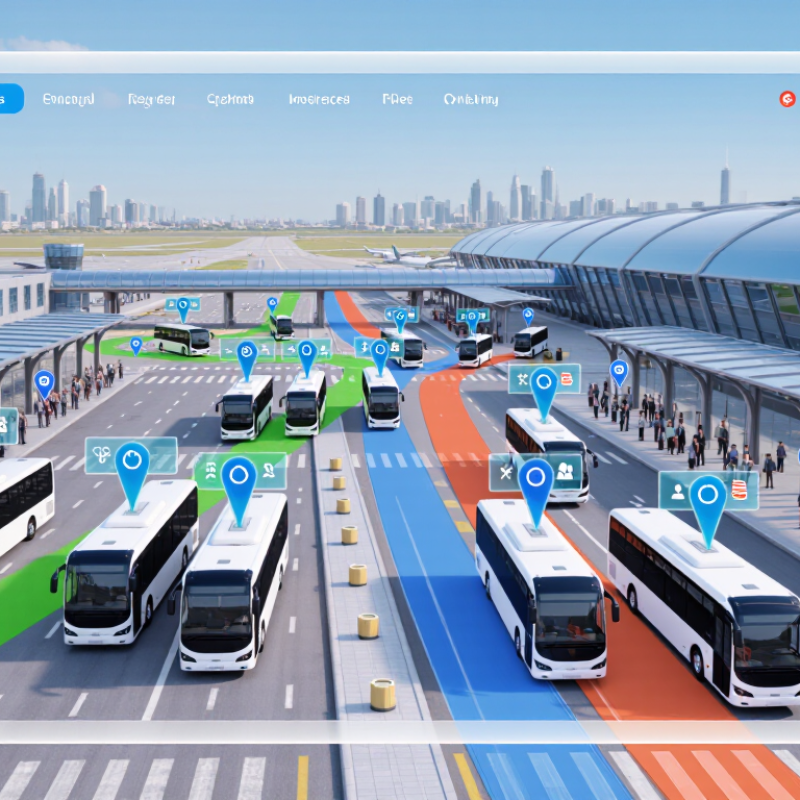
Top 10 Hotel Shuttle GPS Navigation Systems for Buyers

What Hotel Shuttle GPS Navigation Systems Are and How They Work

Hotel shuttle GPS navigation systems combine satellite positioning, digital maps, traffic data, and dispatch tools. They show a vehicle’s live location and calculate an estimated arrival time. Drivers usually follow a dashboard route, while hotel staff monitor trips through a web or mobile interface. Guests may receive clearer pickup updates instead of waiting beside a busy entrance.

In daily hotel operations, the system collects signals from GPS satellites and a cellular connection. It compares the shuttle’s position with road conditions, scheduled stops, and passenger requests. Geofencing can trigger alerts when a vehicle leaves the hotel or enters an airport pickup zone. Some systems also store routes for poor-signal areas. That feature matters. Airport roads can be confusing.

Buyers should examine map accuracy, screen readability, installation quality, and data protection controls. A practical test should include a night route, heavy traffic, and a temporary road closure. GPS can drift near tall buildings, and an estimated arrival time may change suddenly. Human judgment remains necessary. I have seen drivers ignore a suggested turn when the map placed the hotel entrance on the wrong side of a divided road. That weakness deserves attention. Systems with clear rerouting controls, dependable support, and transparent subscription terms are easier for transport managers to trust.

Key Features Buyers Should Evaluate Before Making a Purchase

Top 10 Hotel Shuttle GPS Navigation Systems for Buyers

Key Features Buyers Should Evaluate Before Making a Purchase

Hotel shuttle GPS systems should support dependable live tracking, clear routing, and accurate arrival estimates. Buyers need to test location updates around parking garages, tunnels, and dense city streets. GPS signals can drift there. A visible map is useful, but reliable ETA calculations matter more for guests waiting outside a lobby.

Look for systems that handle vehicle size, restricted roads, one-way streets, and temporary closures. A full-size shuttle should not receive a route designed for a small car. Geofencing can alert staff when a vehicle leaves a service area or reaches an airport pickup zone. Route history also helps managers review delays, though stored data should have controlled access and defined retention periods.

Keep the dashboard simple.

Drivers need large controls, readable alerts, and minimal distractions. Offline navigation can protect operations during weak coverage, while automatic updates reduce manual work. Check whether the system connects with dispatch tools, hotel booking platforms, or guest messaging services. Test the hardware in real weather, at night, and during a busy shift. A short demonstration may hide practical weaknesses.

Support quality deserves careful review. Ask about response times, training, replacement units, and ongoing fees. Battery performance and mounting stability are easy to overlook. I would also question perfect accuracy claims. No navigation tool is flawless. Buyers should compare recorded routes with actual driving results before approving a large rollout.

Top Ten Hotel Shuttle GPS Navigation Systems Compared by Function

Top 10 Hotel Shuttle GPS Navigation Systems for Buyers

Hotel shuttle GPS systems differ mainly by function, not appearance. In practical trials, route accuracy is the first test. Live traffic updates help drivers avoid airport queues and unexpected road closures. Offline maps remain valuable when signal coverage drops. That happens more often than brochures suggest. Geofencing can alert staff when a shuttle enters or leaves a service area. Passenger ETA tools display useful arrival estimates, but their accuracy depends on stable data and disciplined driver use. Multi-vehicle dispatch features help coordinators monitor several shuttles from one screen.

Other systems focus on accessibility and operational control. Clear voice guidance supports drivers during busy hotel arrivals. Large, readable displays reduce distraction. Some platforms record mileage, stop times, and route deviations for maintenance planning. Others connect with hotel booking or transport software, reducing repeated data entry. Battery performance matters for mobile devices, especially during long shifts. Security controls should include user permissions and protected location records. A low purchase price may hide subscription fees or weak technical support.

Tips: Test each system on the actual hotel-to-terminal route. Include underground parking, narrow service roads, and peak check-in hours. Ask whether maps update automatically. Confirm how quickly staff can correct a closed entrance. Do not trust every ETA. Weather, roadwork, and driver behavior can still create errors. A short pilot with real drivers often reveals more than a polished demonstration. Personally, I would rank dependable navigation and simple controls above impressive dashboards. Fancy features can become clutter.

Installation, Fleet Integration, and Daily Operational Requirements

Top 10 Hotel Shuttle GPS Navigation Systems for Buyers

Installation, Fleet Integration, and Daily Operational Requirements

Installation quality determines whether a shuttle GPS system remains reliable after months of vibration and weather exposure. Technicians should mount the antenna with a clear sky view and protect cables near doors, hinges, and engine compartments. Keep wiring tidy. An ignition connection must support accurate engine-status reporting without draining the vehicle battery. Poor grounding causes mysterious signal failures. Technicians should test every unit on a real route, including parking garages, tunnels, and airport loading areas. Do not rush.

Fleet integration requires more than displaying vehicle dots on a map. The system should exchange schedules, driver assignments, passenger requests, and maintenance alerts through secure, documented interfaces. Dispatchers need clear status labels, such as available, boarding, delayed, or offline. A practical trial should include peak hotel checkout periods and weak cellular coverage. Offline location storage can prevent gaps, but it must synchronize correctly later. Data permissions also need regular review, especially when multiple departments share one dashboard.

Daily operations depend on simple habits. Drivers should inspect the device, confirm the assigned route, and report unusual delays before departure. Managers can review idle time, route deviations, arrival accuracy, and repeated missed stops. These records support coaching, not just criticism. In field testing, automated alerts sometimes created too much noise. That weakness matters. Alert thresholds should be adjusted after observing real traffic patterns, seasonal demand, and driver feedback. A dependable system is useful only when staff can understand it quickly and maintain it consistently.

Pricing, Support, and Selection Criteria for Different Hotel Needs

Choosing among the top hotel shuttle GPS navigation systems requires more than comparing screens and maps. A useful review begins with the daily route, not the feature list. A 40-room hotel may need one vehicle, simple live tracking, and automated guest alerts. A resort with several pickup points needs stronger fleet controls, geofencing, and driver communication.

Pricing usually includes hardware, software access, installation, and ongoing support. Entry-level systems may cost less upfront but offer limited reporting or slower updates. Monthly fees often depend on vehicles, users, or tracking frequency. Ask for the complete three-year cost. Replacement units, cellular data, training, and cancellation terms can change the real price. Cheap is not always economical.

Support deserves careful testing. Request a sample response time during a simulated route problem. Can someone help when a shuttle waits outside the spa entrance at 10 p.m.? Clear setup guides matter, but reachable human support matters more. Check whether the system works inside parking garages, near tall buildings, and during poor weather. These details affect guest confidence.

Selection should match hotel size, staffing, and accessibility needs. A busy airport hotel may prioritize accurate arrival estimates. A luxury property may value discreet interfaces and flexible pickup rules. A small independent hotel might prefer simple billing and minimal training. No scoring sheet is perfect. I would still test two systems with real drivers for one week before signing. One quiet afternoon can hide serious navigation problems.

FAQS

What does a hotel shuttle GPS navigation system do?

It combines satellite positioning, digital maps, traffic data, and dispatch tools. Staff can view the shuttle’s live location. Guests may receive clearer pickup updates.

How does the system calculate arrival times?

It compares vehicle location, traffic conditions, scheduled stops, and passenger requests. The estimated arrival time can change suddenly. GPS drift happens.

Where should hotels test GPS accuracy?

Test routes near parking garages, tunnels, tall buildings, and dense city streets. Include night driving and heavy traffic. Airport roads deserve special attention.

Can the system handle temporary road closures?

Some systems reroute around closures, one-way streets, and restricted roads. Buyers should test this feature with real drivers. A short demonstration may hide weaknesses.

What is geofencing used for?

Geofencing can alert staff when a shuttle leaves the hotel. It can also signal arrival at an airport pickup zone. Clear boundaries matter.

What features help shuttle drivers work safely?

Drivers need large controls, readable alerts, and minimal distractions. Offline navigation helps during weak cellular coverage. Keep the dashboard simple.

What costs should hotels include when comparing systems?

Consider hardware, installation, software access, cellular data, training, and support. Also check replacement units and cancellation terms. Cheap is not always economical.

How should hotels judge customer support?

Ask about response times, training, replacement equipment, and setup guidance. Test support during a simulated route problem. Human help matters at 10 p.m.

Should hotel staff trust GPS instructions completely?

No. Drivers should verify unclear turns and entrance locations. I have seen maps place a hotel entrance on the wrong side of a divided road. Human judgment remains necessary.

How can a hotel choose the right system?

Match the system to vehicle count, staffing, route complexity, and accessibility needs. Test two options with real drivers for one week. One quiet afternoon can mislead you.

Conclusion

Hotel Shuttle Gps Navigation systems help hotels manage shuttle routes, monitor vehicle locations, and provide reliable directions for drivers and guests. These solutions typically combine GPS tracking, digital maps, route planning, live traffic updates, geofencing, and communication tools. Buyers should evaluate accuracy, ease of use, screen visibility, offline functionality, vehicle compatibility, passenger safety features, data protection, and the ability to support multiple vehicles or destinations.

This comparison reviews ten types of Hotel Shuttle Gps Navigation systems according to their core functions, including basic navigation, fleet tracking, scheduling, dispatch support, and performance reporting. It also explains installation requirements, connectivity needs, integration with hotel operations, and the daily responsibilities of drivers and managers. Pricing, subscription structures, technical support, maintenance, scalability, and training are important selection factors. The best choice will depend on fleet size, service area, operating budget, staff expertise, and the hotel’s expectations for reliability and operational efficiency.


Henry

Henry

Henry is a dedicated marketing professional with a profound expertise in the company's offerings. With years of experience in the industry, he possesses an impressive understanding of the market dynamics and consumer behaviors that drive success. Henry is committed to sharing his insights through......