Tourism is recovering, but visitor expectations are changing quickly. UN Tourism’s World Tourism Barometer reported approximately 1.4 billion international tourist arrivals in 2024. That recovery increases pressure on parks, resorts, waterfronts, and city attractions to communicate clearly. A sightseeing vehicle is no longer only transportation. It is also a moving information point, wayfinding tool, and branded guest-service channel.
Sightseeing Vehicle Display Wholesale offers operators a practical way to equip multiple vehicles with consistent hardware. Bulk purchasing can simplify specifications, installation planning, spare-unit management, and supplier communication. The digital signage market is expanding as businesses seek flexible, remotely managed content, according to Grand View Research. Outdoor displays, however, face sunlight, vibration, rain, dust, and temperature changes. A low-cost screen may look attractive indoors but fail beside a busy coastal route. Brightness, viewing angle, waterproofing, power consumption, and mounting security require professional evaluation.
The strongest purchasing decision begins with the route, not the sales brochure. Operators should test screens during midday glare, sudden turns, and extended daily operation. They should also review warranty terms, replacement procedures, software compatibility, and accessibility requirements. The International Organization for Standardization continues to emphasize usability and information clarity through standards such as ISO 9241, although not every vehicle project applies them perfectly. That gap deserves attention. Wholesale purchasing is not automatically efficient. It becomes valuable when volume is matched with reliable engineering, documented quality control, and responsive after-sales support. For many fleets, that balance can improve passenger information while protecting long-term operating budgets.
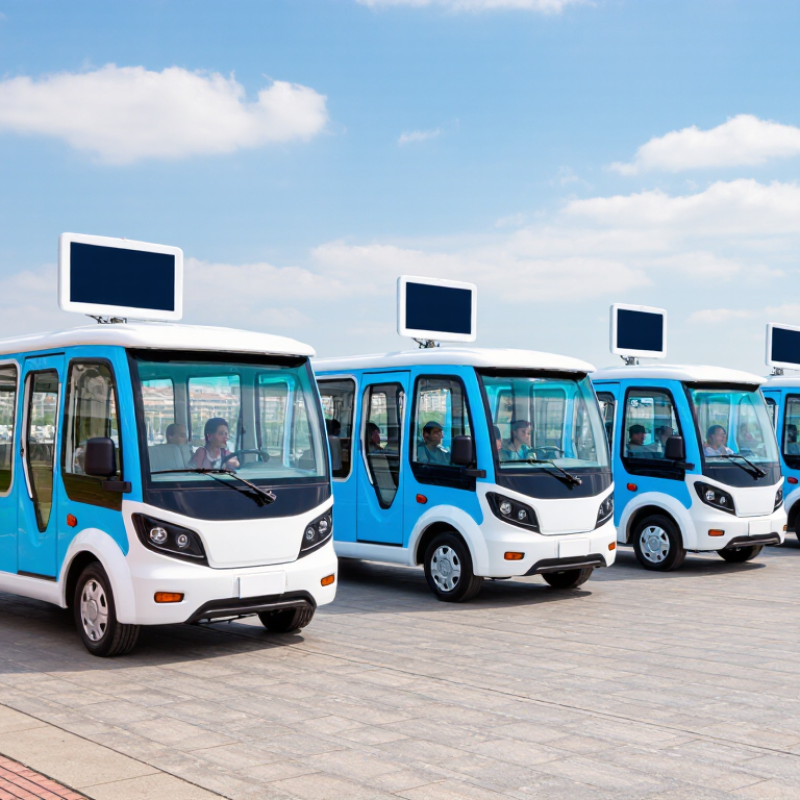
Why Choose Sightseeing Vehicle Display Wholesale?
What Is a Sightseeing Vehicle Display Wholesale Program?
A sightseeing vehicle display wholesale program is a structured purchasing plan for fleet operators and distributors. It supplies multiple displays for buses, trams, shuttles, or open-air tour vehicles. Orders usually include agreed quantities, screen sizes, mounting methods, and delivery schedules.
The program should match real operating conditions. A display may face sunlight, vibration, dust, rain, and frequent passenger contact. Clear brightness matters at noon. Strong brackets matter on uneven roads. Buyers should review viewing angles, power requirements, temperature ranges, and protective materials before ordering.
Details matter.
Wholesale planning can also include sample approval, production inspection, packaging, spare units, and technical support. A careful supplier provides drawings, test records, and installation guidance. These documents help maintenance teams replace a unit without guessing. They also support more consistent purchasing across several vehicles.
In practice, the first quotation is rarely perfect. A screen may look suitable indoors but become difficult to read under direct sunlight. A mounting design may fit one vehicle and fail on another. This is why a pilot order is useful before full production. Check cable routing, driver visibility, passenger safety, and cleaning procedures. Ask how defective units are handled, and record every agreed specification. The cheapest offer can create higher replacement costs later. Wholesale value comes from dependable performance, clear communication, and fewer surprises during daily operation.
Hotels, resorts, and holiday parks often benefit from sightseeing vehicle wholesale purchases. These businesses move guests across large properties every day. A small fleet can connect villas, parking areas, restaurants, and activity zones. Wholesale pricing also helps managers maintain consistent vehicle specifications across several locations.
Theme parks, zoos, museums, and botanical gardens have similar needs. Their visitors may walk long distances under strong sunlight or light rain. A quiet sightseeing vehicle can support older guests, families, and visitors with limited mobility. Operators can choose open-sided vehicles for quick boarding or enclosed models for changing weather. Practical details matter. Seat layout, turning radius, charging access, and cleaning time affect daily performance.
Vehicle rental companies and local tour operators may also gain from wholesale purchasing. They can create guided routes, seasonal packages, or private group transfers. Property developers sometimes use display vehicles during sales events, helping guests inspect roads, landscaping, and future facilities. That use is often overlooked. Yet a vehicle must look presentable, operate smoothly, and remain easy to service.
Not every business needs a large order. A careful buyer should test one vehicle first, review maintenance records, and confirm spare-part availability. Specifications on paper can miss real problems, such as poor hill performance or uncomfortable seats. A small pilot may feel slower, but it can prevent an expensive fleet mistake.
Wholesale sightseeing vehicles should be compared by operating conditions, not brochure appearance. Start with passenger capacity, payload, wheelbase, turning radius, and gradeability. A 14-seat vehicle may suit a resort, but a compact six-seat model can navigate narrow paths more efficiently. Measure your route width and steepest slope before requesting quotations. Small details matter.
Battery configuration deserves careful attention. BloombergNEF’s 2023 Battery Price Survey reported an average lithium-ion pack price of 139 dollars per kWh. This helps explain why larger battery packs raise wholesale costs. However, published driving range is rarely your real route range. Passenger weight, hills, repeated stops, temperature, and air-conditioning reduce usable distance. Ask for tested range, charging time, battery warranty, charger output, and replacement pricing. A low purchase price can still become expensive.
Safety and service specifications need equal weight. Check hydraulic or electronic braking, tire size, suspension travel, lighting, mirrors, seat belts, emergency access, and weather protection. The Global EV Outlook 2024 from the International Energy Agency shows electric vehicle adoption continuing to expand, but it does not guarantee every commercial vehicle has mature support. Confirm spare-parts availability, technician training, fault-code access, and maintenance intervals. Compare the complete configuration, not just the vehicle shell. Even a neat spreadsheet can mislead. A heavier frame may improve durability, yet reduce range and increase charging frequency. That trade-off deserves a real route test.
Why Choose Sightseeing Vehicle Display Wholesale?
Buying sightseeing vehicle displays wholesale can reduce unit costs, but the quoted price is only one part of the decision. Buyers should calculate the complete landed cost, including packaging, inland transport, insurance, import duties, installation, and spare parts. A display priced at 180 dollars may require another 35 dollars for reinforced packing and delivery. Small details become expensive across 100 units.
Ask suppliers for a clear bill of materials and a written quotation. Confirm screen size, brightness, operating temperature, power consumption, mounting hardware, and software compatibility. Request samples before placing a large order. A bright screen may look impressive indoors but become unreadable under direct sunlight. We learned this the hard way. Our first budget was too optimistic.
Supply reliability also deserves careful checking. Review minimum order quantities, production capacity, lead times, payment stages, and replacement policies. Keep records of factory test reports, inspection photos, and delivery dates. Ask whether critical components have stable alternatives. One unavailable connector can delay an entire vehicle fleet. Short lead times sound attractive, but rushed production can increase defects. A practical agreement should define quality standards, warranty coverage, spare-part availability, and response times. Buyers should also allow extra time for port delays and seasonal demand. A spreadsheet helps, but it can still miss reality.
The chart presents an indicative landed-cost planning structure for wholesale sightseeing vehicles. Buyers should compare the vehicle price, battery or powertrain cost, freight, import duties and taxes, and spare-parts or warranty provisions before confirming supply. Wholesale purchasing can reduce the unit price, but larger orders also require careful evaluation of lead time, after-sales support, and inventory risk.
Why Choose Sightseeing Vehicle Display Wholesale?
Choosing a reliable sightseeing vehicle display wholesale partner requires more than comparing prices. A suitable supplier should understand outdoor passenger transport and daily visitor traffic. Their displays must remain readable under strong sunlight, light rain, vibration, and frequent cleaning. Ask for brightness data, viewing angles, power requirements, and operating temperature ranges. Request a working sample, not only attractive catalog images. A real test can reveal screen glare, loose connectors, or unclear instructions.
Tips: Check production records, quality procedures, warranty terms, and spare-part availability. Confirm whether the supplier can provide installation guidance and clear technical documents. Review sample packaging carefully. Displays may look excellent but arrive damaged after long-distance shipping. Communication matters too. Slow replies before an order may become serious delays later. Ask specific questions and record every agreement in writing.
A dependable partner should welcome factory inspections, independent testing, and small trial orders. They should explain how defects are handled, including replacement timelines and inspection steps. Look for consistent reports, traceable materials, and realistic delivery promises. Extremely low quotations deserve careful review. Sometimes, the cheapest unit creates higher maintenance costs. However, higher prices do not guarantee better performance. I have seen purchasing teams focus heavily on appearance and overlook waterproof connectors. That mistake is easy to repeat. Evaluate total ownership costs, staff training, software support, and future model compatibility before signing a wholesale agreement.
Hotels, resorts, holiday parks, and large attractions often need several passenger vehicles. They connect villas, parking areas, restaurants, and activity zones. A small fleet may be enough. Wholesale purchasing can keep specifications consistent across locations.
They reduce long walks across parks, gardens, museums, and outdoor attractions. Older guests, families, and visitors with limited mobility may find them helpful. Open-sided vehicles allow faster boarding. Enclosed vehicles provide better protection during changing weather.
Review seat layout, turning radius, charging access, cleaning time, and hill performance. A vehicle may look suitable on paper but struggle on slopes. Uncomfortable seats can create complaints during busy days. Small details matter.
Not always. Testing one vehicle first can reveal practical problems. Drive it on hills and through narrow paths. Check comfort, turning, charging, and cleaning requirements. A small pilot may prevent an expensive fleet mistake.
Request a working sample instead of relying on catalog images. Test readability under direct sunlight, light rain, vibration, and frequent cleaning. Check brightness, viewing angles, power needs, and operating temperatures. Glare can make useful information difficult to see.
Review production records, quality procedures, warranty terms, and spare-part availability. Ask for installation guidance and clear technical documents. Confirm how defects are inspected and replaced. Written agreements reduce confusion later.
Displays can arrive damaged after long-distance transport. Inspect sample packaging before placing a large order. Look for protection around screens, connectors, and corners. Good packaging matters.
Not necessarily. A low price may hide weak connectors, limited support, or expensive maintenance. A higher price also does not guarantee better performance. Compare total ownership costs, staff training, software support, and future compatibility. We may still miss something.
Sightseeing Vehicle Display Wholesale is a practical purchasing model that allows tourism operators, resorts, parks, campuses, property developers, and event venues to source multiple display or transport vehicles in coordinated quantities. Instead of buying one unit at a time, businesses can compare vehicle layouts, passenger capacity, body structure, power systems, seating arrangements, safety equipment, weather protection, and customization options to match their operating environment and visitor needs.
Before placing an order, buyers should evaluate the total cost, including vehicle pricing, configuration, shipping, taxes, spare parts, maintenance, training, and delivery schedules. Supply stability, production capacity, quality inspection, warranty terms, technical support, and after-sales communication are also important factors. A reliable wholesale partner should provide clear specifications, transparent quotations, consistent product quality, flexible configuration choices, and dependable service throughout the purchasing process. Careful comparison helps buyers control costs, reduce operational risks, and build a suitable sightseeing transportation solution for long-term use.

Hisound carAudio
