Explore our high-performance display controllers, customized OS navigation units, and rugged fleet communication modules engineered for challenging outdoor operations.
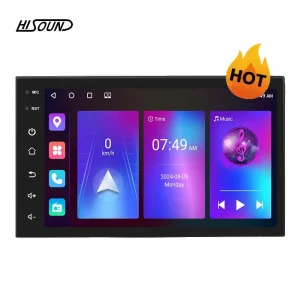
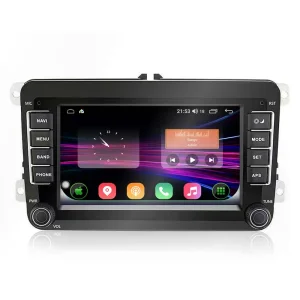
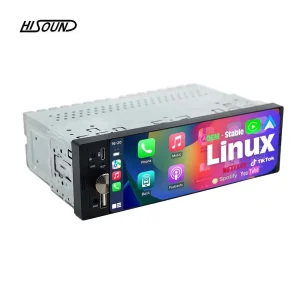
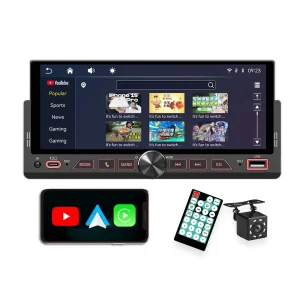
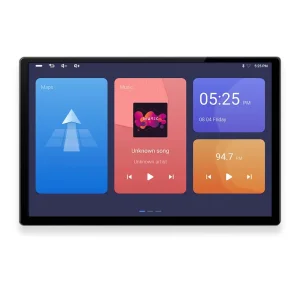
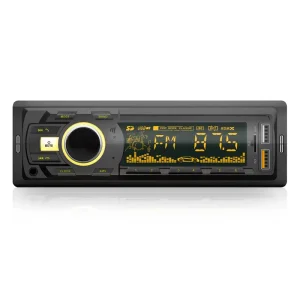
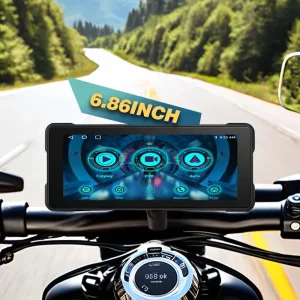
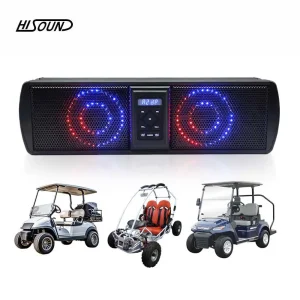
Modern golf course operations, municipal parks, high-end resorts, and industrial manufacturing sites are quickly transitioning away from passive, unconnected vehicle fleets. Today's operational landscapes demand active tracking, remote telemetry diagnosis, precise geofencing, and automated pace-of-play metrics. As a pioneering force in telematics terminal hardware design and integrated software platforms, we deliver robust solutions that bridge physical assets with digital management ecosystems.
Whether integrating Android 13/15 OS systems with localized map caching, optimizing multi-frequency RTK GNSS for accuracy down to the centimeter, or designing IPX8-certified hardware housings capable of resisting extreme solar radiation and heavy downpours, our platforms guarantee uninterrupted connection.
Our solutions span across hardware configuration, software interfaces, robust vehicle integration, and custom branding services tailored for B2B fleet buyers globally.
We configure and customize display sizes (from 7-inch to floating 13-inch displays), resolutions, brightness parameters, touch panels, waterproof structures, and custom mounting brackets to fit your unique fleet vehicles perfectly.
We provide tailored offline/online maps, navigation user interfaces, multi-language voice guidance, route planning, geofenced area warnings, speed restrictor signaling, and comprehensive vehicle health status management.
Our engineers craft customized physical brackets, wiring harnesses (OBD-II, CAN-bus, RS232, RS485), and hardware communication protocols for golf carts, low-speed resort vehicles, sightseeing shuttle vehicles, and agricultural runabouts.
We support private-label tooling, unique structural housing colors, custom startup animations, integrated custom boot splash screens, customized retail or B2B bulk packaging, and engineering assistance from design prototypes to mass production.
From initial concept evaluation through custom board design to scaling assembly lines, we work as a trusted OEM/ODM partner.
We define your target vehicle application, choose specific display panels, select navigation layouts, establish waterproof ratings (IP65 to IPX8), define physical mounting requirements, and map branding specifications.
Our system engineers develop customized motherboard layouts, optimize firmware drivers for low standby energy usage, layout CAN-bus transceivers, design vehicle mounting brackets, and mock custom software UI screens.
We manufacture proof-of-concept samples, perform environmental tests (water sealing under pressure, high/low thermal exposure), assess electrical noise, test UI performance, and execute mock physical installations on test fleets.
Upon client approval, we advance to high-volume assembly lines. Every batch goes through rigorous inspection, including active functional tests, burn-in validation, international standards compliance check, and end-of-life technical support.
Providing high-accuracy insights into fleet deployment challenges, local regional standards, and technology architectures.
Unlike standard automotive audio and navigation components, golf cart telematics terminals must directly interact with electric drivetrains. Our platforms read live parameters via RS485 and CAN interfaces, extracting State of Charge (SoC), voltage fluctuation, and temperature profiles directly from the vehicle's Battery Management System. This mitigates passive power drainage, preventing flat fleet batteries during seasonal golf course closures.
Fleet operators must control where golf carts can travel. Real-time software monitors if a vehicle enters a hazard zone, a fairway, a bunker, or off-site property lines. Our terminals process geofences at the hardware edge rather than relying entirely on remote cloud servers. This reduces latency down to 200 milliseconds, allowing immediate trigger actions like audibly warning drivers or remotely disabling vehicle motors via smart relays.
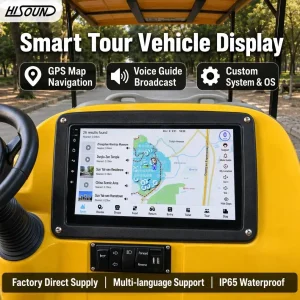
Open-cab utility vehicles are continuously exposed to dust, UV rays, washdowns, and heavy rain. Using imported foam adhesives and high-pressure defoaming sealing techniques, we achieve structural IPX8 water protection. Full 2.5D optical lamination prevents internal display fogging and condensation, maintaining a readable display even under direct sunlight.
A look into our state-of-the-art laboratory testing machines to ensure durability, waterproof capabilities, and overall hardware reliability.
Ensures transit safety and structural stability. The shrink packaging process seals external casings to guard against moisture ingress and physical shocks during long-distance global transport.
Simulates real-world environmental extremes, cycling operational temperatures from -20°C up to +70°C. This guarantees that flash memory, capacitors, LCD screens, and CPU boards operate without signal loss.
Checks screen seals under high pressure spray conditions. Simulates heavy torrential rain, sprinkler spray hits, and high-pressure washdowns to verify structural integrity.
Applies continuous physical vibrations across multiple axes. Replicates harsh driving over unpaved cart paths, gravel roads, and rough terrain to secure internal solder points and connectors.
| Testing Machine & Standard | Inspection Parameter Range | Compliance Output & Certifications |
|---|---|---|
| High and Low Temperature Chamber | -30°C to +85°C (Storage & Operation Cycles) | Zero thermal drift, zero display degradation |
| Waterproof Testing Rig | Water immersion up to 1.5 meters depth (IPX8) | Completely dry interior housing seal check |
| Vibration Test Stand | 10Hz to 500Hz frequency sweeps (ASTM D4169) | Zero loose internal wiring, zero connector drift |
| Screen Closure Tester | 15,000 physical lid opening/closing fatigue cycles | Continuous structural frame support validation |
Integrating dual-band GNSS receivers into standard golf cart display panels. This minimizes map drift and ensures geofence positioning accuracy down to sub-meter levels, crucial for fairway protection.
Transitioning fleet display units to high-performance Android 15 system architectures. This enables native HTML5 browser rendering, background map updates via LTE network cards, and advanced system performance.
Applying Vehicle-to-Everything (V2X) communication standards. Carts can share speed and location coordinates directly with other nearby fleet vehicles to prevent blind-spot collisions in dense resorts.
Deploying fleet tracking terminals globally requires meeting strict local regulations and wireless standard requirements. Our R&D processes ensure that internal cellular modules (4G LTE, Cat-M, NB-IoT) comply with global carrier standards, including FCC (US), CE (Europe), IC (Canada), and TELEC (Japan).
We implement high-level cybersecurity protocols, utilizing encrypted MQTT over TLS (Transport Layer Security) data transmissions to prevent unauthorized fleet tracking interception. Localized CDN storage hubs ensure offline caching of map layouts, reducing expensive cellular data usage on international networks.
Find answers to common questions about our tracking systems, installation steps, and integration capabilities.
Our screens are built with wide-voltage input converters (typically 9V to 36V or up to 72V) that connect directly to standard golf cart power distribution boards. They feature programmable low-power modes that shut down components during inactive periods to prevent battery drain.
Yes. We provide root-access custom firmware options on Android and Linux platforms, allowing you to install custom software applications. We also supply an SDK for serial port and CAN-bus integration.
We use high-brightness LCD display panels (up to 1000 nits) combined with 2.5D optical bonding technology. This removes the air gap between the touch layer and LCD, minimizing glare and reflections under direct sunlight.
Yes. Our designs support external AHD cameras and feature built-in DVR recording processors. Carts can capture continuous surroundings video data directly to internal micro-SD cards, helpful for liability protection.
Depending on your selection, our waterproof housings are certified up to IPX8 levels. Using specialized rubber sealings, liquid adhesive bonding, and sealed cable glands, they withstand high-pressure water sprays during cleaning.
Software UI modifications and boot screen logos can be applied to small batches starting around 100 units. Custom physical cases or custom motherboard designs typically require a minimum order of 500 to 1,000 units.
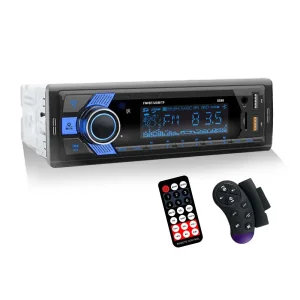
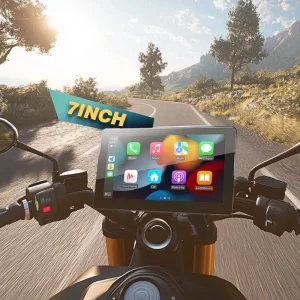
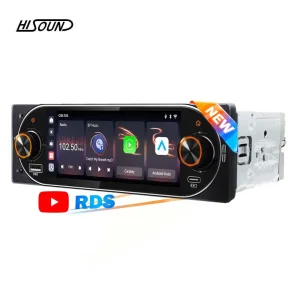
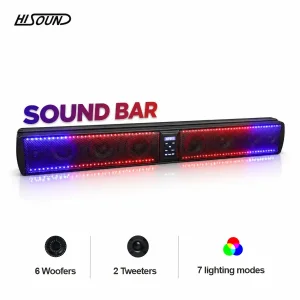
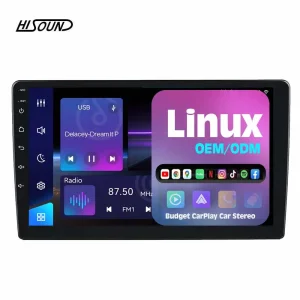
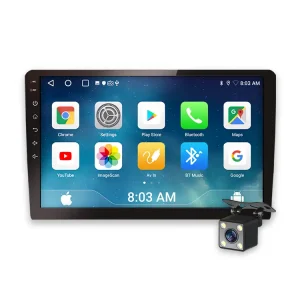
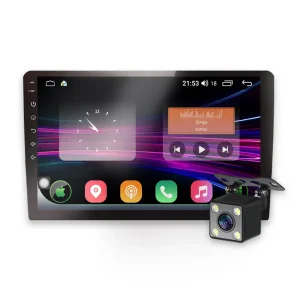
Rugged, shock-proof, and weather-sealed audio/video systems designed to perform in rough outdoor conditions.
 Hisound carAudio