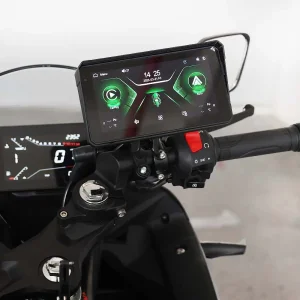
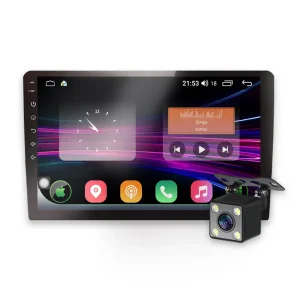
Explore our leading range of high-performance car stereos, outdoor vehicle soundbars, and rugged motorcycle navigation systems engineered for extreme environments.
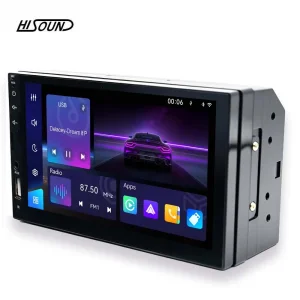
Years of Engineering Heritage
Waterproofing Certification
Automotive Grade Components
Global Distributing Markets
The global automotive aftermarket and power-sports markets are undergoing a fundamental structural transition. Standard car stereos and passive audio component architectures are rapidly being phased out. Today's global buyers—including automotive OEMs, fleet operators, regional wholesale networks, and specialty vehicle distributors—demand integrated, connected, and highly ruggedized smart cockpits. To maintain competitive advantage, sourcing partners must look beyond baseline unit pricing to audit supplier supply-chain resilience, optical engineering capability, and software operating system stability.
SEO Insight & Market Shift: The transition from simple audio output to multi-OS (Linux, Android 15) smart hubs has redefined the core requirements of automotive tier-1 suppliers. Today, thermal stress resistance, wireless protocol licensing, and screen optical bonding dictate product life cycles and retail margins.
B2B automotive electronics sourcing requires compliance with rigorous qualification frameworks. Unlike consumer electronics, in-vehicle hardware must perform consistently under severe vibration, extreme temperature fluctuations (-20°C to +70°C), and volatile vehicle battery voltage profiles. Professional procurement directors focus on three pillars during factory selection:
Western economies face significant manufacturing friction, but China's industrial clusters for precision automotive components offer unparalleled advantages. At the heart of this operational excellence is the integration of Factory 4.0 paradigms. Advanced manufacturing is not simply about automated Surface Mount Technology (SMT) lines; it relies on end-to-end data integration from the raw PCB level to the final sealed chassis.
Our manufacturing complex utilizes state-of-the-art SMT lines, lead-free reflow soldering ovens, and automated optical inspection (AOI) protocols. We maintain cleanrooms designed specifically for precision screen bonding. By leveraging localized supply chains, we source automotive-grade chipsets, high-grade plastics, and customized wire harnesses within a tight geographic radius, enabling quick response times for OEM modifications.
One of the primary failure points of motorcycle screens and open-cab ATV stereos is display washout under direct sunlight and screen condensation in humid conditions. Standard air-gap bonding leaves an air pocket between the cover glass and the LCD panel, which scatters light and reduces visibility.
We solve this with 2.5D Full Lamination (OCA Optical Bonding). By filling the gap with optical clear adhesive, we eliminate internal reflections, enhance structural integrity against impacts, and completely prevent dust and moisture ingress. Coupled with high-brightness backlights delivering over 1000 nits, our navigation systems remain visible in direct sunlight, providing critical utility for off-road and marine applications.
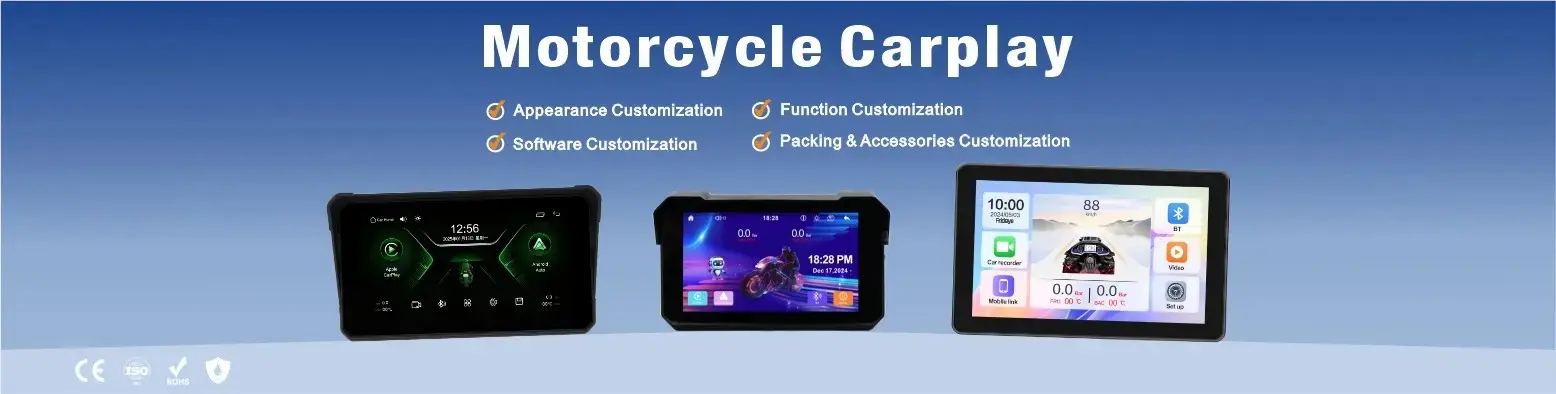
From initial design concepts to final product assembly, we provide scalable customization structures engineered to meet specific project demands.
Tailor screen size, resolution, brightness, touch panel type, waterproof enclosures, and mounting hardware to integrate with specific vehicle profiles.
Incorporate localized maps, custom UI, specialized voice guidance, and fleet management features designed for commercial applications.
Develop specialized mounting brackets, custom wiring harnesses, and CAN bus protocols for golf carts, shuttle vehicles, and power-sports platforms.
Customize private-label housings, silk-screen logos, custom boot animations, and retail packaging with end-to-end engineering support.
A structured engineering pipeline that takes your product concept from prototype to validated mass production.
We detail the vehicle environment, screen dimensions, GPS navigation features, waterproofing requirements, and branding details.
Our engineering team drafts structural designs, optimizes electrical schematics, and designs UI layouts tailored to your specifications.
We assemble prototype runs and conduct rigorous waterproof, vibration, thermal, and mechanical tests prior to volume assembly.
Approved designs move into smart production lines supported by real-time quality control, automated testing, and ongoing engineering services.
Outdoor infotainment and marine sound systems operate under demanding environmental conditions. To meet strict international compliance standards, our products undergo a series of stress tests using advanced diagnostic machinery:
Constant Temp Packaging Machine
High/Low Temperature Chamber

Screen Closure Test System
Waterproof Testing Station

Vibration Analysis Machine
Our factory processes and materials are audited and certified to comply with international regulatory and safety guidelines.
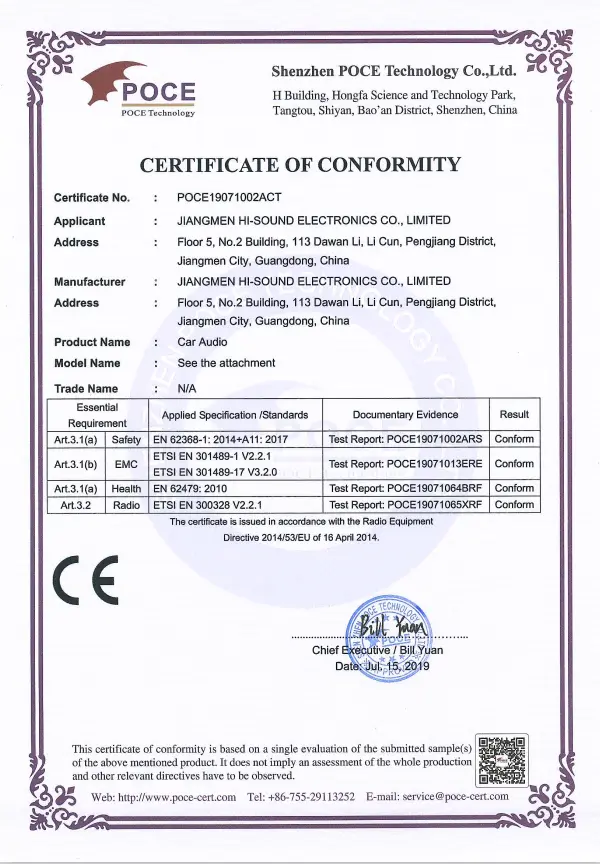
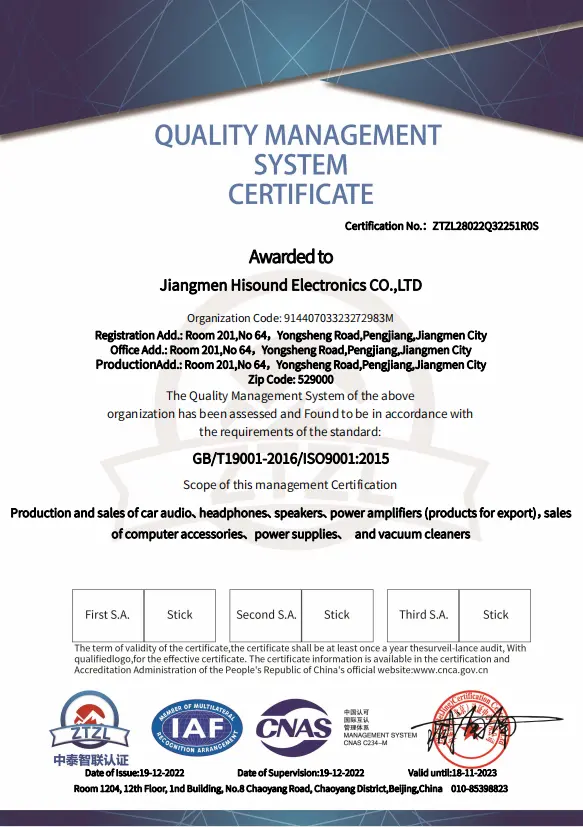
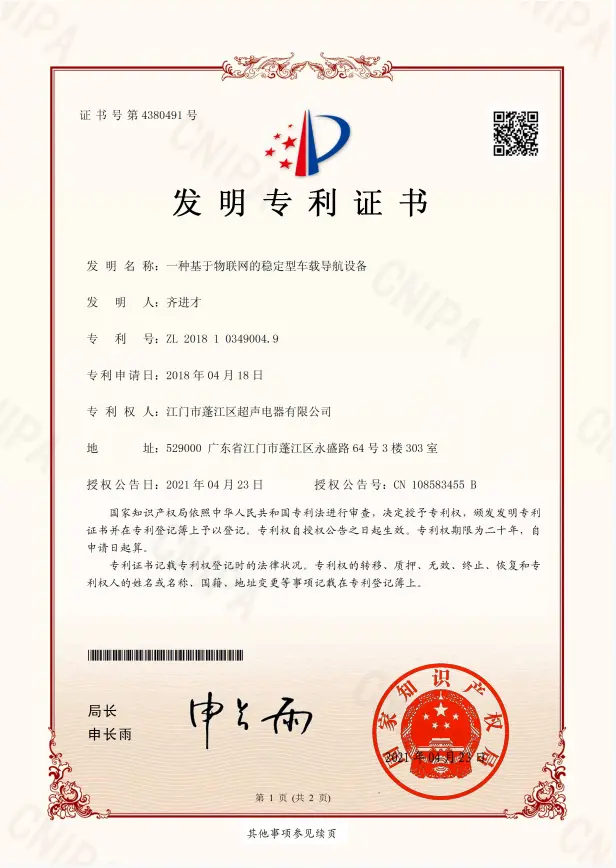
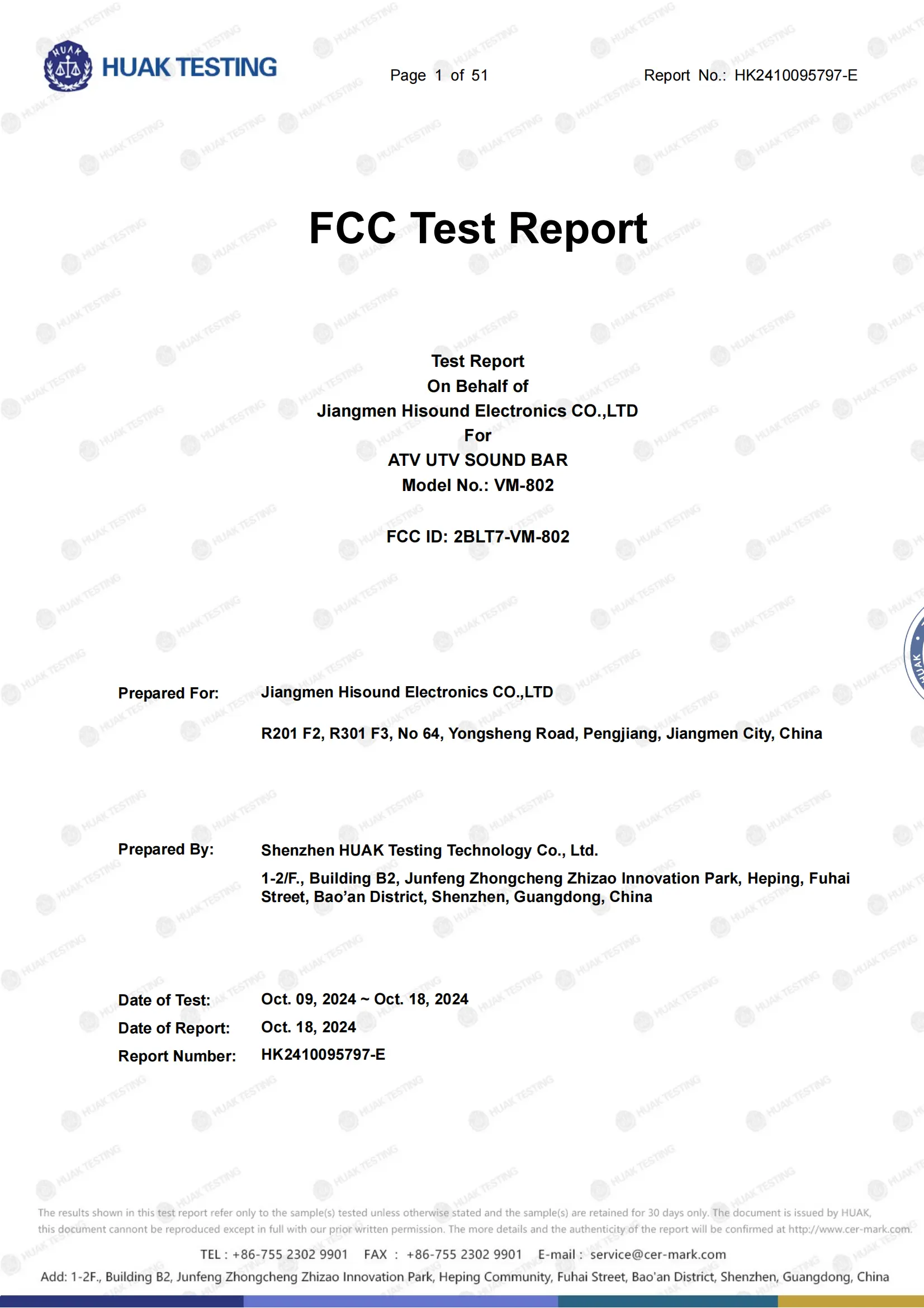

The applications for modern infotainment systems extend beyond standard passenger vehicles. Diverse operating conditions present unique design requirements:
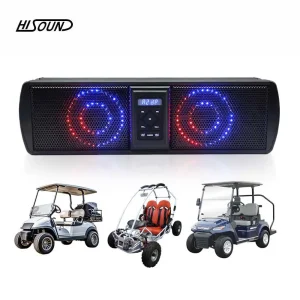
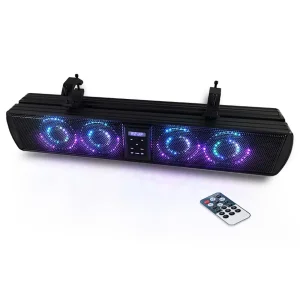
The UTV and ATV markets require high-power audio and heavy-duty, mud-resistant construction. These vehicles are regularly subjected to high-pressure washing, mud, and dust. Traditional marine audio enclosures are often too bulky, while standard car stereos lack the necessary weather protection.
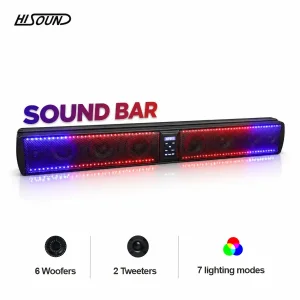
Modern solutions utilize high-efficiency Class-D digital amplifiers housed in powder-coated aluminum extrusion soundbars. Featuring IP65 rating compliance, integrated Bluetooth connectivity, and programmable RGB accent lighting, these setups deliver high-fidelity audio that remains audible over engine noise in open-air environments.
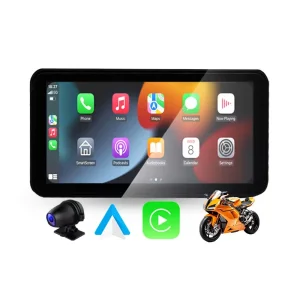
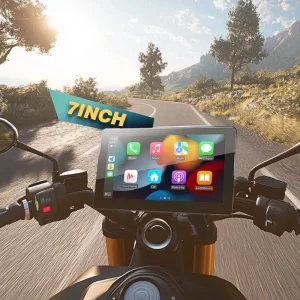
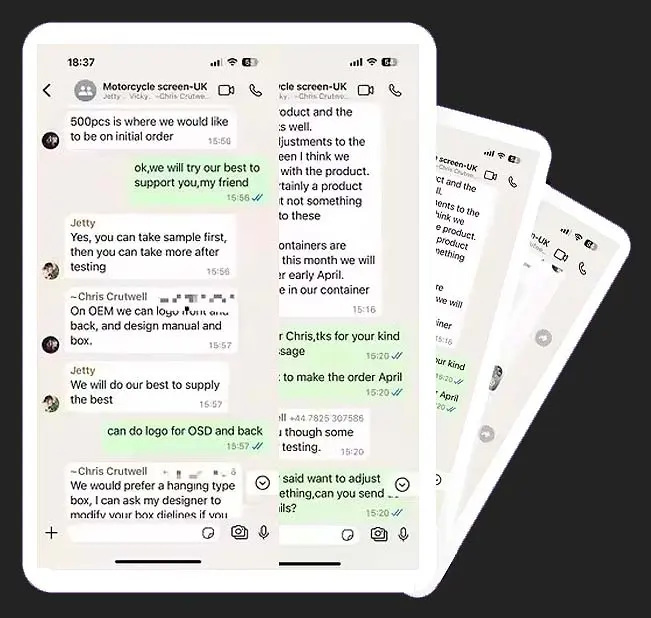
Motorcyclists face the unique challenge of managing navigation and communication while wearing heavy gloves. Safe operation requires high-sensitivity capacitive touchscreens that support glove contact, alongside optimized, clutter-free user interfaces.
Our solutions feature dual-Bluetooth architectures. This design allows the rider's smartphone to connect directly to the navigation screen for CarPlay or Android Auto mapping while simultaneously broadcasting audio to their helmet headset, avoiding communication lag or audio quality drops.
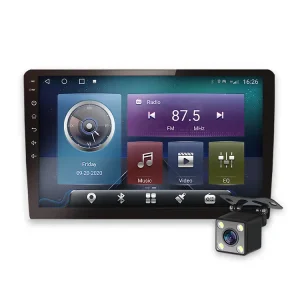
The electrification of resort transportation, community shuttles, and commercial golf carts has created a growing demand for central control hubs. These vehicles need infotainment systems that combine media playback, GPS mapping, back-up cameras, and system status indicators in a single unit.
We provide mounting solutions, custom wire harnesses, and voltage step-down converters to ensure compatibility with standard 36V and 48V electric vehicle power systems.
Common questions and answers regarding our manufacturing processes, customization capabilities, and B2B shipping protocols.
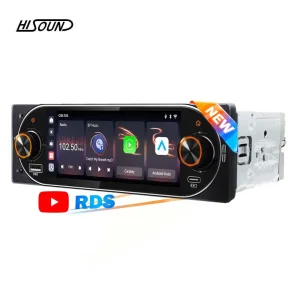
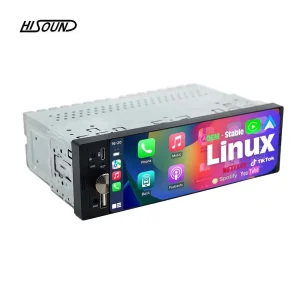
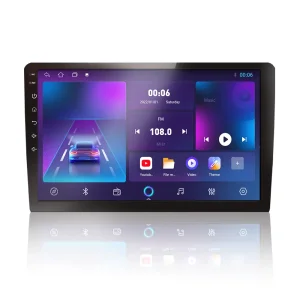
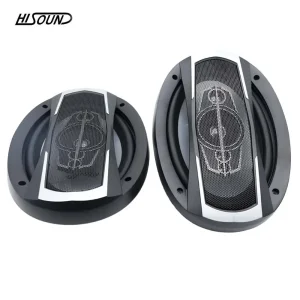
Review our specialty designs engineered for passenger vehicles and high-power coaxial configurations.
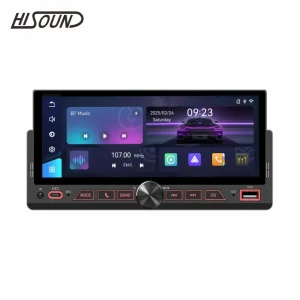
 Hisound carAudio