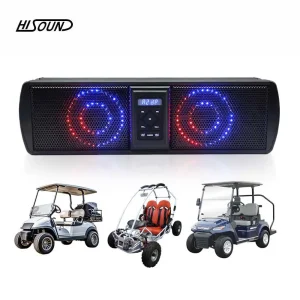
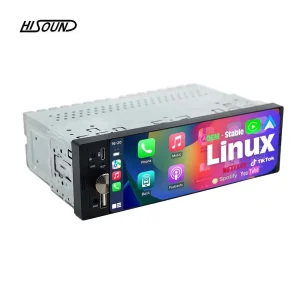
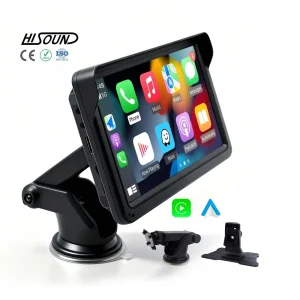
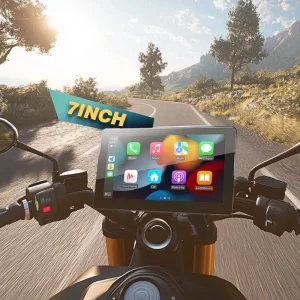
Premium wholesale configurations engineered for major vehicle models, custom applications, and global retailers.
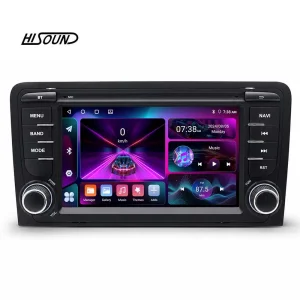
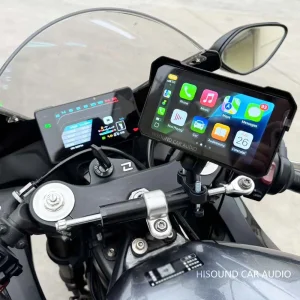
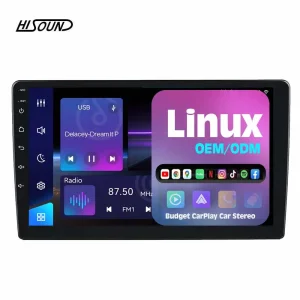
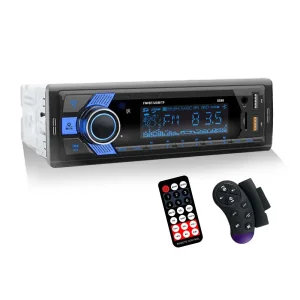
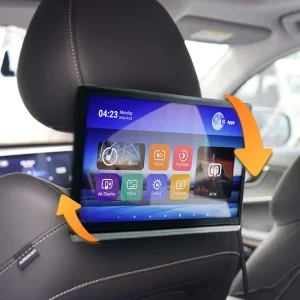
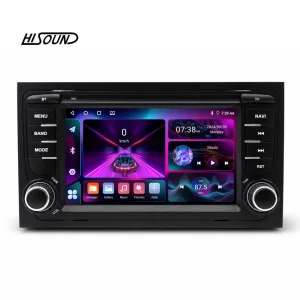
The global automotive industry is undergoing a paradigm shift in digital integration. Modern consumers no longer view a vehicle's dashboard as a static dial display; it is now the epicenter of their digital life. Navigating this transition requires Tier 1 automotive parts companies, distributors, and aftermarket brands to source high-grade, resilient car stereos, MP5 units, and motorcycle display systems. This document outlines the technological state, manufacturing processes, and strategic supply chain factors that define premium automotive electronics manufacturing today.
Information Gain Highlight: Beyond superficial UI updates, true automotive-grade hardware requires dedicated MCU chipsets (such as STMicroelectronics or NXP) running side-by-side with high-frequency application processors (like Rockchip or Qualcomm) to isolate vehicle bus controls (CAN bus) from standard media operations.
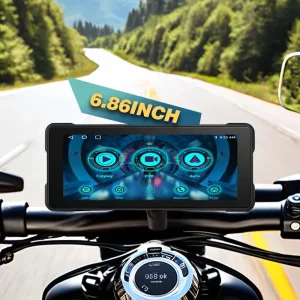
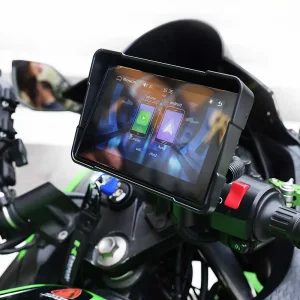
The global in-vehicle infotainment (IVI) market size is projected to expand significantly, driven by smartphone integration (Apple CarPlay and Google Android Auto) and the rise of connected vehicle tech. The automotive aftermarket demands specialized products: customized retrofit radios for older fleets (like Audi A4 platforms) and specialized external displays for off-road environments (such as IPX8-rated motorcycle GPS screens or ATV sound bars). As an established manufacturer, our output matches this dual pressure of custom aesthetic integrations and strict industrial durability.
Operating a car radio manufacturing plant requires a deep understanding of localized driving conditions. For instance, European distributors require strict DAB+ (Digital Audio Broadcasting) support and localized UI for languages like German, French, and Spanish. In North America, high-power output (DSP integration) and robust Bluetooth connectivity for pickup trucks and utility terrain vehicles (UTVs) are highly valued. Meanwhile, in Southeast Asia, motorcycle navigation systems with extreme waterproofing (IPX8 class) are critical due to seasonal monsoons. Designing high-contrast screens (1000+ nits) ensures readability under direct sunlight, a major requirement for both motorcycle riders and leisure resort drivers using open-cab golf carts.
Quality in-vehicle electronics start with robust board design. Hisound's technical roadmap focuses on the convergence of three core elements:
Located in the heart of China’s advanced electronics manufacturing hub, our factory benefits from a dense, highly specialized supply chain. This concentration ensures fast access to raw materials, high-speed SMT placement lines, and customized aluminum housing tools. Our supply chain management allows us to handle customized OEM/ODM projects efficiently—from custom-molded frames matching classic dashboards to custom boot screens and logo prints—without compromising production lead times.
From initial design parameters to our continuous reliability testing, we align every production phase with automotive quality standards.
We define the installation method, display sizing, functional requirements (GPS, DVR, CarPlay), and the necessary localized certifications.
Our engineering team drafts custom circuit layouts (PCB designs), thermal casing configurations, and UI designs tailored to your target market.
Before mass production, we construct functional prototypes to test waterproofing (IPX8 Chambers), thermal limits, and CAN bus vehicle integration.
Continuous line production backed by functional testing, aging cycles, post-delivery support, and technical updates.
Every motherboard is subjected to rigorous signal diagnostics, assessing Bluetooth bandwidth, Wi-Fi connectivity, and GPS signal strength.
All finished assemblies are placed in high-temperature chambers and run continuously for 48 hours to prevent early hardware failures.
High-precision fiber laser systems apply brand logos directly onto the plastic or aluminum chassis for clean, durable branding.
Premium car radio manufacturing requires comprehensive environmental testing to ensure reliability in harsh environments.
Our sealing process uses high-pressure defoaming and imported adhesive foam, ensuring a secure seal between the display panel and the housing to meet IPX7 and IPX8 standards.
Our patented design features a removable main unit to deter theft, combined with built-in high-definition DVR recording to simplify vehicle wiring.
We use full 2.5D screen lamination and anti-glare screen coatings, providing excellent screen visibility in bright, direct sunlight.
Each production run is tested using high/low temperature chambers, custom motorcycle screen closing test fixtures, water ingress test bays, and vibration tables.
Ensures dust-free, moisture-proof commercial packaging.
Simulates extreme climates ranging from -20°C to +70°C.
Tests mechanical hinge and panel lifetime durability.
Verifies IPX8 ratings under high-pressure water jets.
Simulates rough roads to ensure solder joint and component reliability.
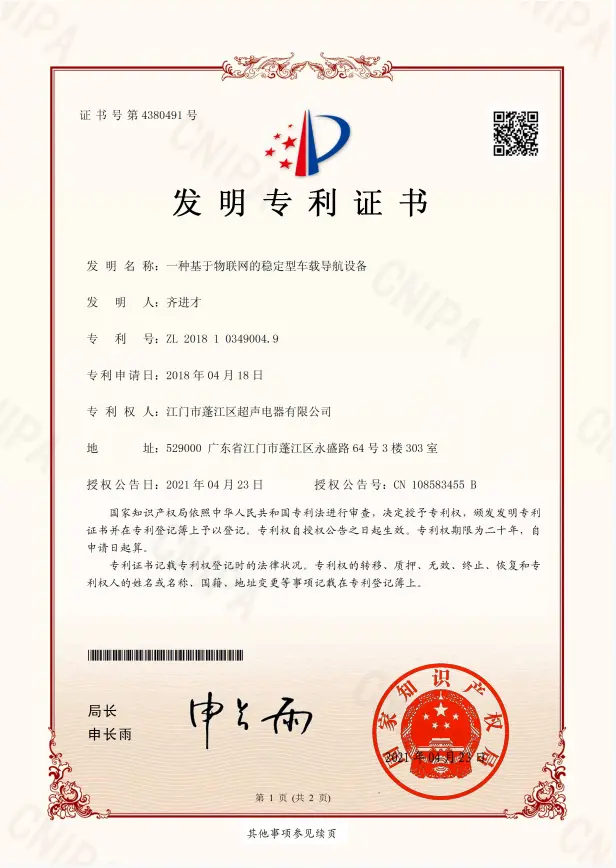
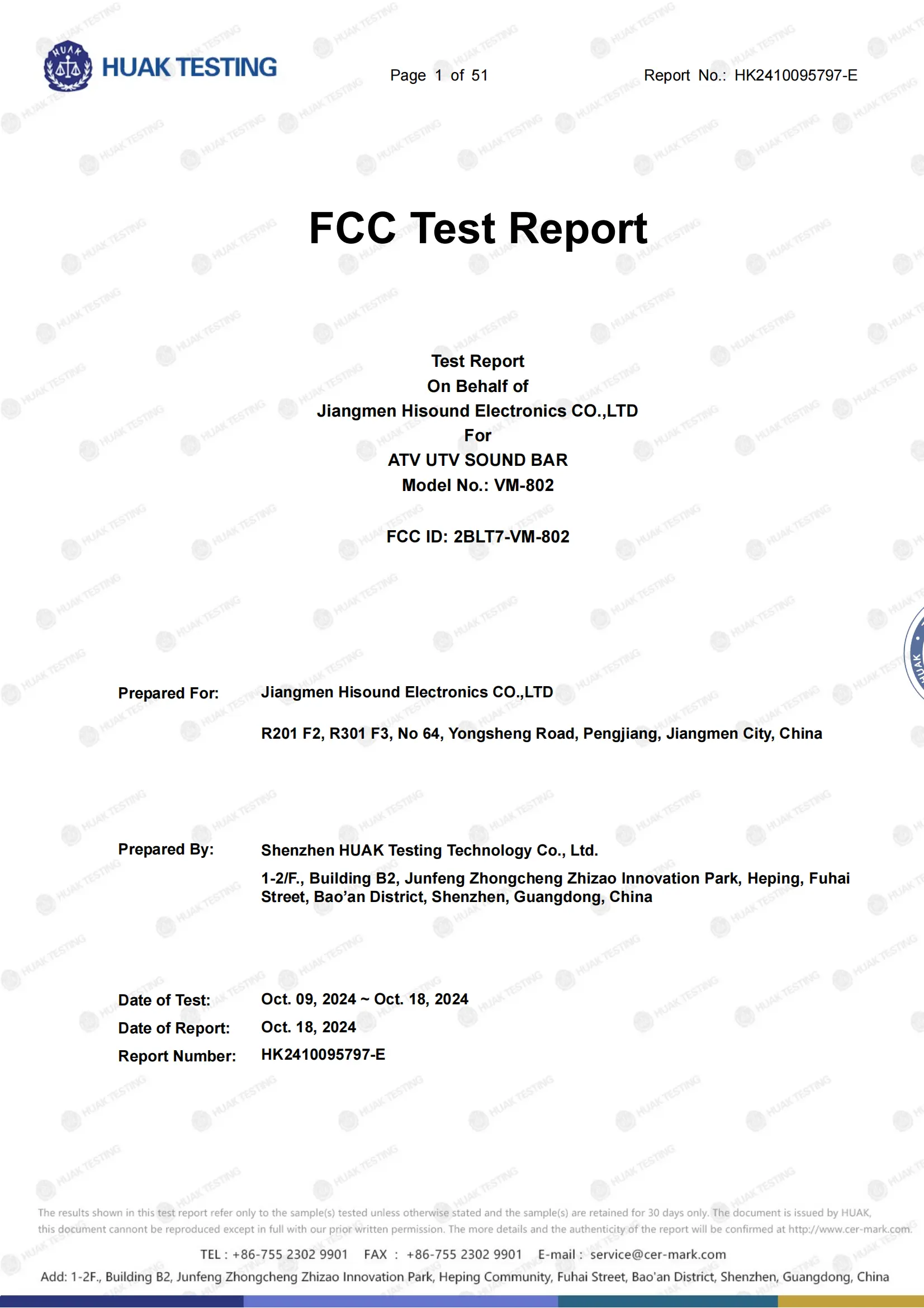
Our manufacturing facility and products comply with strict international standards, ensuring smooth customs clearance and import compliance.
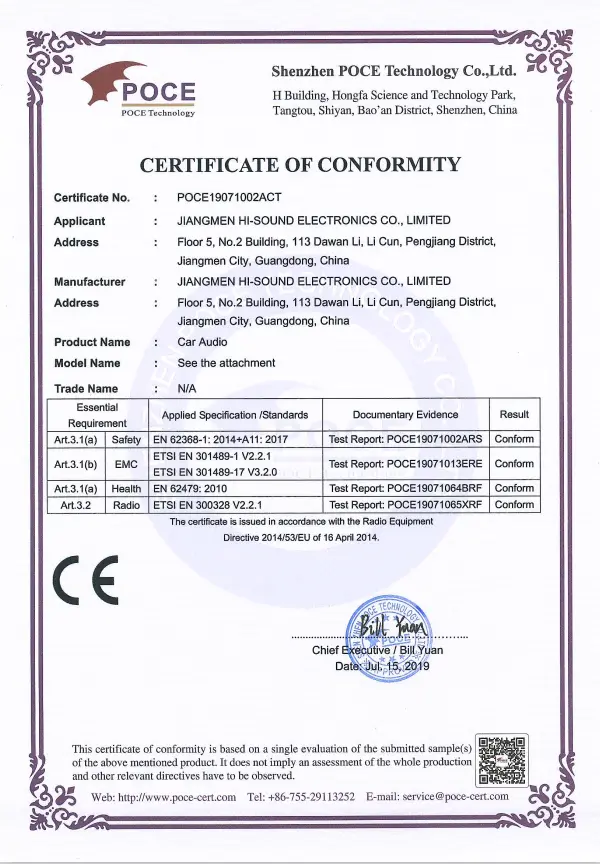
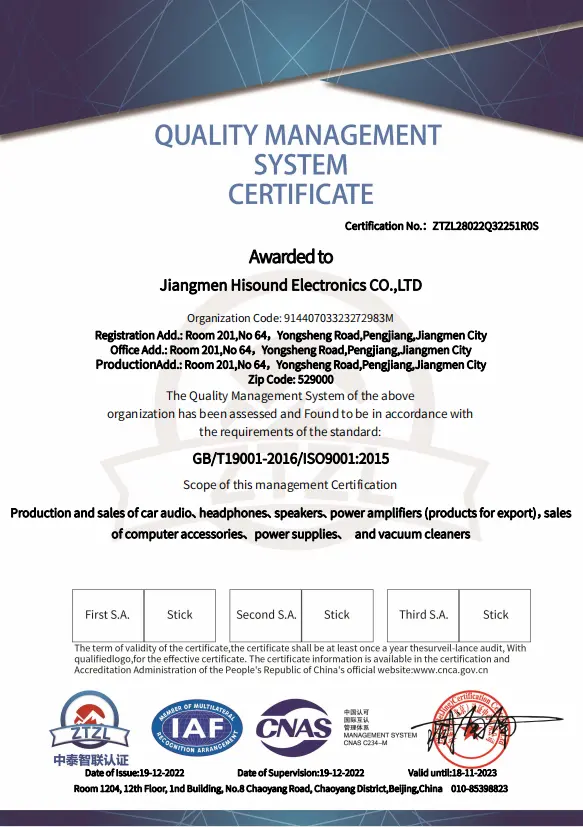

Common questions from distributors, sourcing managers, and aftermarket retail partners.
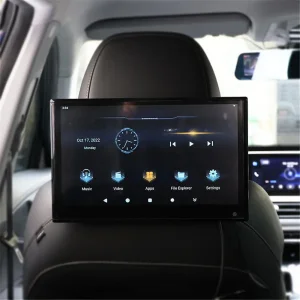
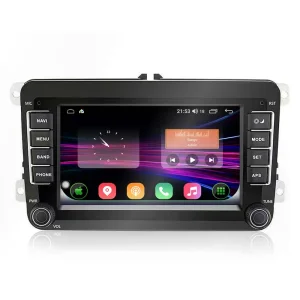
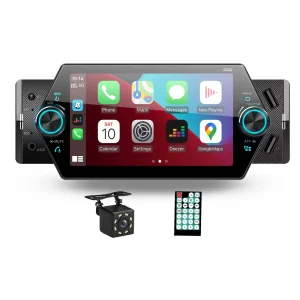
Complete product range of single-din systems, motorcycle navigation setups, and rear-seat entertainment screens.
 Hisound carAudio