
Marine audio systems operate under some of the most aggressive environmental conditions on the planet. High salt fog concentration, extreme thermal cycles, continuous UV exposure, and constant vibrational stress create a hostile environment for sensitive electronic circuitry. In the past, marine audio setups relied heavily on repurposed automotive amplifiers housed inside supposedly water-resistant enclosures. This primitive approach yielded high failure rates and substandard acoustic performance.
Today, the marine industry has shifted towards dedicated, purpose-engineered multi-channel marine amplifiers. Built from the ground up to mitigate galvanic corrosion, thermal runaway, and electrical noise from marine engines, modern units feature multi-layer conformal-coated PCBs, non-corrosive chassis components, and advanced digital power management systems. For enterprise buyers, understanding these technical leaps is critical to sourcing high-durability hardware that meets international maritime standards.
Class-D Topology Dominance: Traditional Class-AB amplifiers are highly inefficient, wasting up to 50% of drawn power as heat. On boats and vessels, where electrical energy storage is limited, Class-D efficiency (exceeding 90%) is standard. By operating at higher switching frequencies with minimal heat production, Class-D multi-channel systems provide high output wattage in space-constrained engine compartments or under-helm storage.
Multi-Zone Acoustics: Modern yachts and commercial vessels split audio into distinct acoustic zones (e.g., cabin, deck, bow, tower speakers). A multi-channel marine amplifier (typically 4-channel, 6-channel, or 8-channel configurations) allows independent zone leveling, frequency crossover tuning, and input distribution from a single head unit. This reduces overall system complexity and reduces points of failure.
When drafting Request for Proposals (RFPs) for marine audio components, procurement managers at commercial shipyards and premium boat brands must prioritize technical compliance over upfront cost. A cheap amplifier can lead to high warranty claim rates, damaging the brand's reputation and customer satisfaction. Below is the framework used by top-tier purchasing divisions to evaluate suppliers:
| Testing Parameter | Automotive Standards | Industrial Marine Standard (Minimum Requirement) |
|---|---|---|
| Waterproofing Certification | IPX4 / Splash Resistant | IPX8 (Hermetically Sealed / Fully Conformal Coated) |
| Salt Spray Corrosion Resistance | None / Not Rated | ASTM B117 Compliance > 300 Hours Testing |
| Vibration Stability | ISO 16750-3 (Road Load) | JIS D1601 / IEC 60068-2-6 (Engine room vibration) |
| PCB Protection Coating | Standard Acrylic Solder Mask | Dual-cure Silicone or Polyurethane Conformal Coating |
Ensuring your supplier conducts these stress tests in-house guarantees system reliability in real-world applications. By focusing on these design specifications, businesses can secure durable, high-performance equipment that stands up to the elements.
Customize screen size, resolution, brightness, touch panel, waterproof structure and mounting design to match your vehicle application.
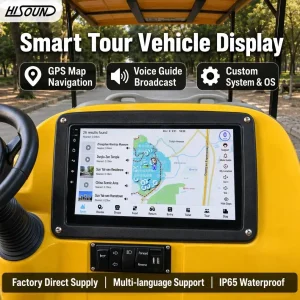
Customize maps, navigation UI, voice guidance, route planning and vehicle management features for different applications.
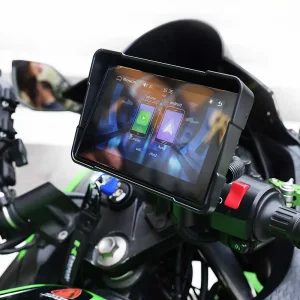
Customized mounting brackets, wiring harnesses and interfaces for golf carts, shuttle vehicles, resort vehicles and other applications.
Private-label housing, logo, UI and packaging with engineering support from prototype to mass production.
Define your vehicle application, display size, navigation functions, waterproof requirements, mounting method and branding needs.
Our engineering team develops the hardware, software, mounting structure and UI solution based on your project requirements.
Build samples, test waterproof performance, display reliability, software functions and vehicle installation before mass production.
Move from approved samples to mass production with quality control, technical support and after-sales service throughout the project.
Exhaustive evaluation of touch capacitance, Bluetooth pairing stability, multi-channel sound routing, and thermal threshold verification.
72-hour continuous thermal and voltage load simulation to prevent infant mortality rates in microchips and capacitor components.
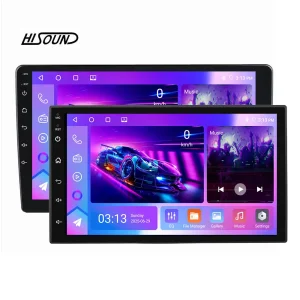
Our waterproofing process uses imported foam adhesive and high-pressure defoaming to ensure a durable seal between the display and case, providing excellent waterproofing and reliability.
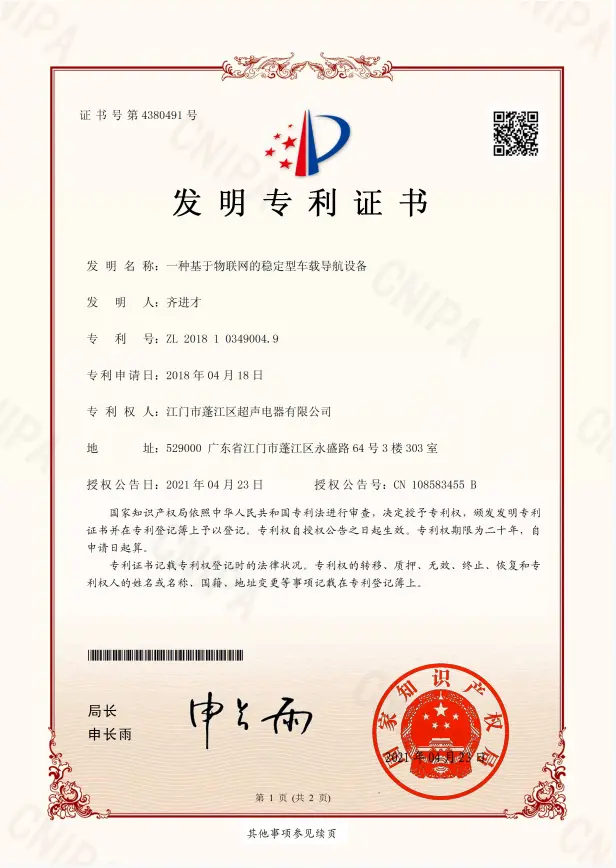
Our patented removable main unit design prevents theft while incorporating a built-in DVR function, eliminating the need for separate wiring and enhancing ease of use.
Our screens utilize high brightness technology and 2.5D full lamination technology for excellent visibility and a clearer display experience, even in straight sunlight.
We offer customizable solutions including personalized logos, screen UI, and packaging to cater to individual business needs, from large wholesalers to small retailers.
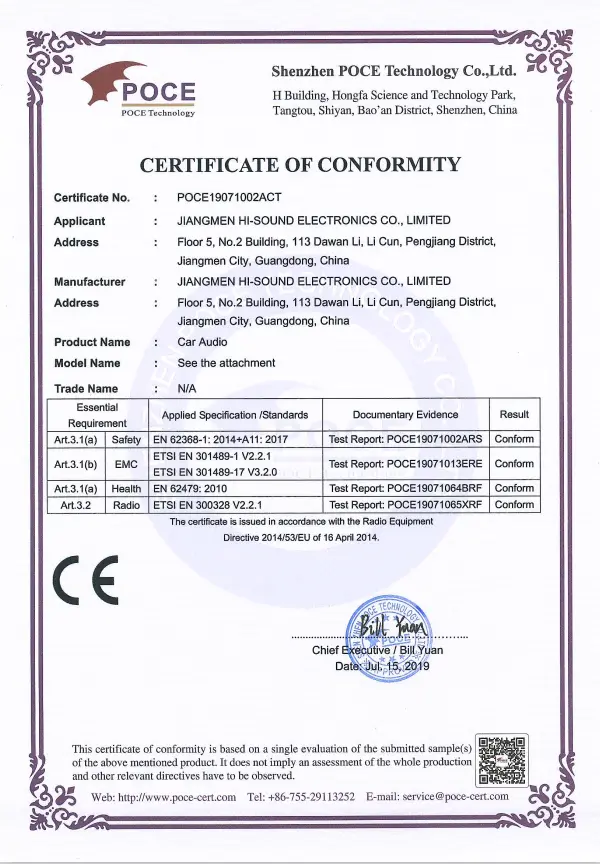
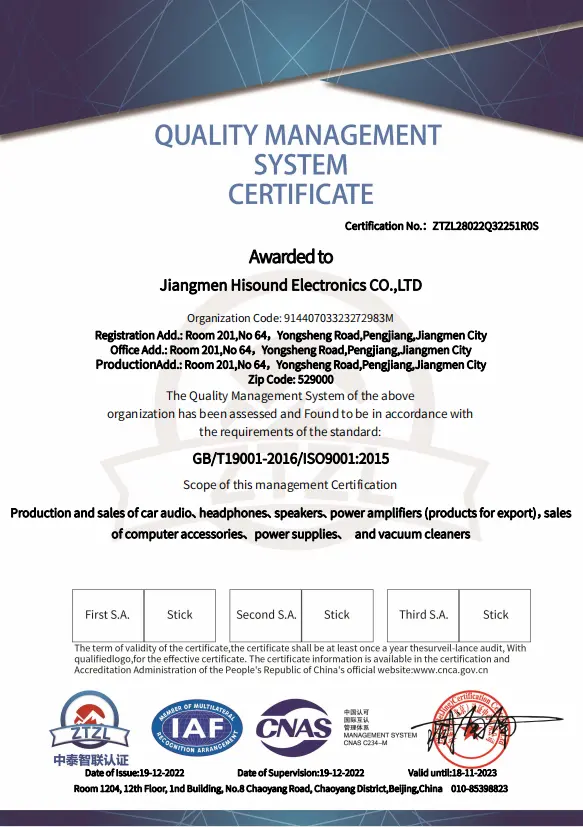
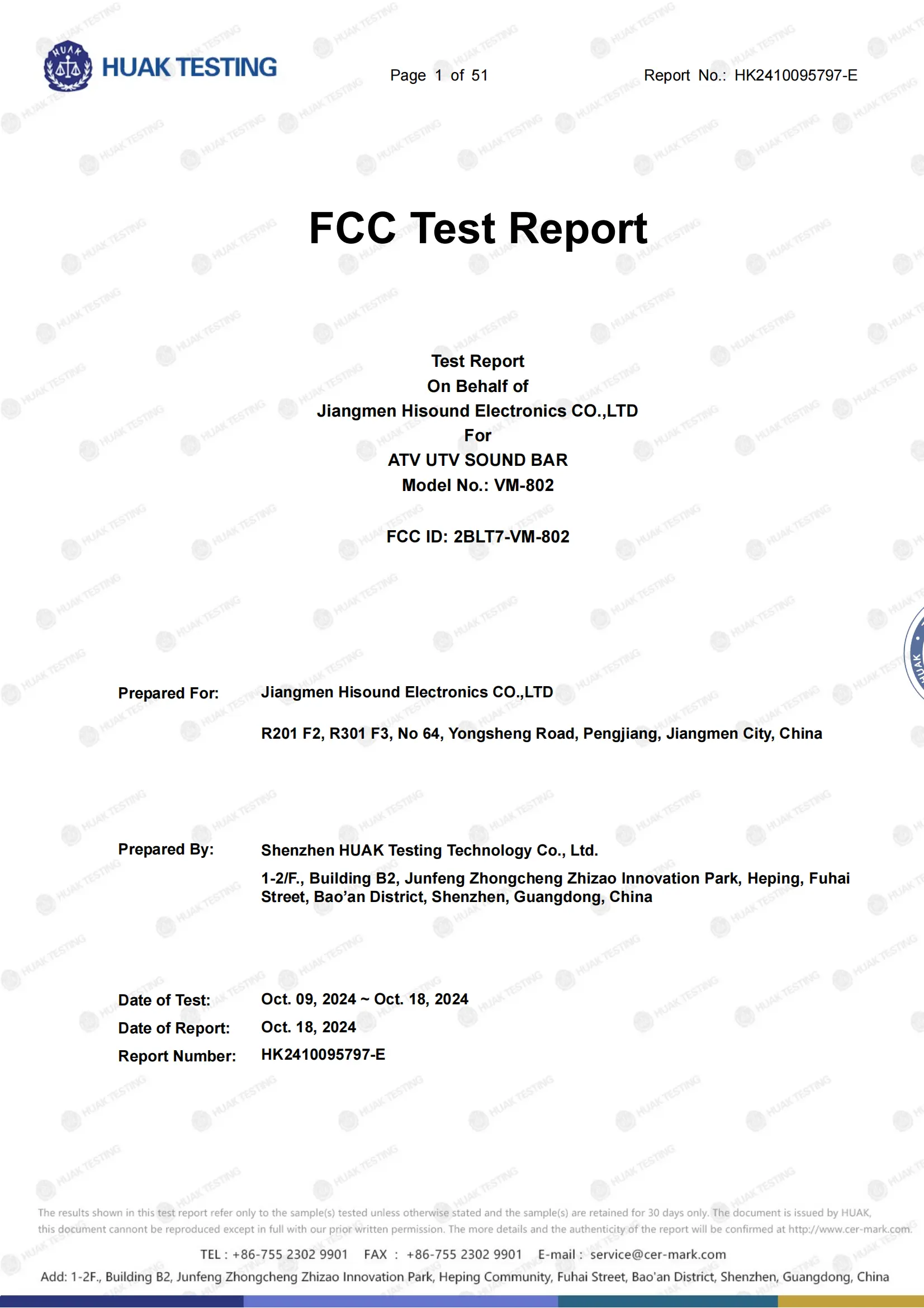
Each product is fully tested for durability, waterproof and reliability. Our screens meet international standards including CE, Rohs, ISO and IPX8 certifications to ensure quality and safety.
Backed by 44 years of development (established in 1979) and global logistics networks, ensuring long-term product availability, engineering continuity, and supply chain security.
Before any audio amplifier, navigation unit, or integration bracket leaves our factory, it undergoes rigorous qualification routines inside our advanced laboratory. Here are the primary test machines used in our production process:
Simulates continuous high-frequency marine engine vibrations to test structural solder joint stability.
Conducts real-time water ingress and submersion tests to verify IPX8 structural seals.
Exposes circuitry to extreme temperatures ranging from -40°C to +85°C to test thermal stability.
Simulates mechanical switch durability over 50,000 cycles to ensure structural lifespan.
Applies high-strength vacuum packaging to prevent humidity degradation during overseas shipping.
As maritime technology shifts towards electric propulsion and smart helm integration, multi-channel marine amplifiers are becoming core components of boat network ecosystems. Below is our engineering layout detailing the three phases of technological integration:
Developing switching power stages designed for the 48V DC bus standard, matching the architecture of modern marine electric drives. This eliminates bulky step-down converters, increasing overall electrical efficiency.
Integrating direct digital communication ports into the amplifiers. This allows marine displays (MFDs) from brands like Garmin, Simrad, and Raymarine to control amplifier gain, zone management, and thermal status directly over the boat network.
Integrating artificial intelligence into DSP algorithms. The amplifier dynamically adjusts acoustic delay and equalization based on cabin noise and real-time open-water wind velocity.
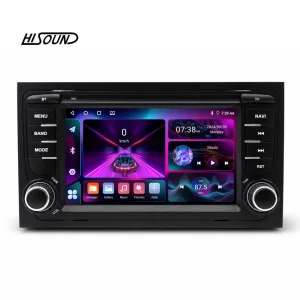
"Our partnership with Hisound on the custom 7-inch navigation and marine audio system has significantly reduced our warranty claim rates. The waterproofing quality matches our premium boat build standards."

"The anti-theft design and DVR solutions provided by Hisound have resolved structural challenges in our golf cart fleets. The displays remain clear and easy to read even in direct midday sun."
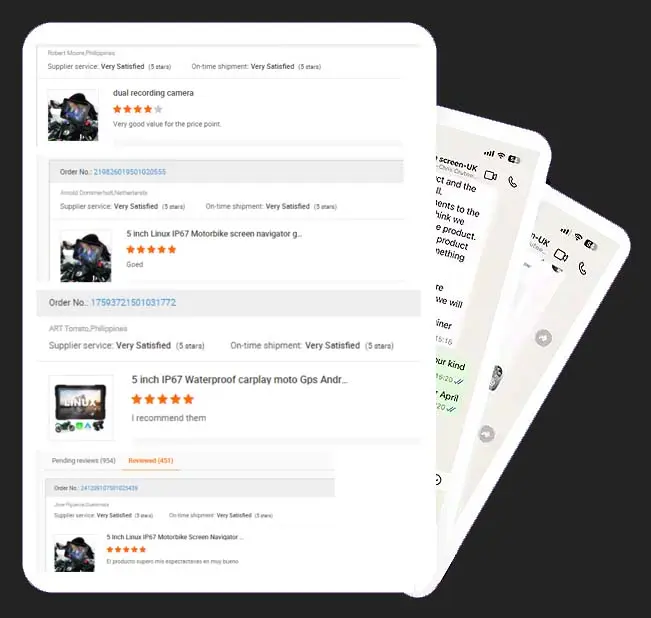
"Our experience working with Hisound's engineering team has been excellent. From prototyping to validation, they maintained clear communication and strict quality control on all components."


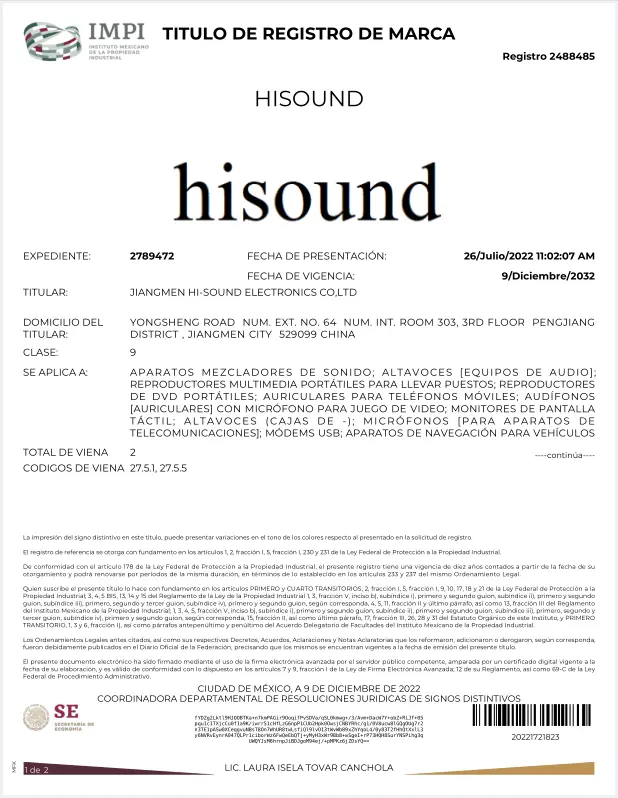
 Hisound carAudio