Explore our top-tier CE-certified Linux and Android systems designed for passenger cars, motorcycles, and specialized utility fleets.
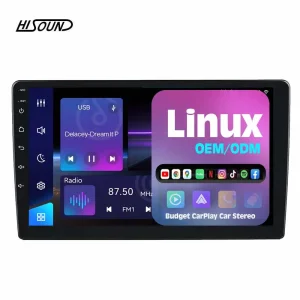
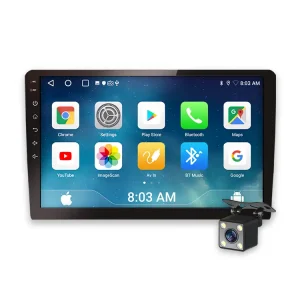
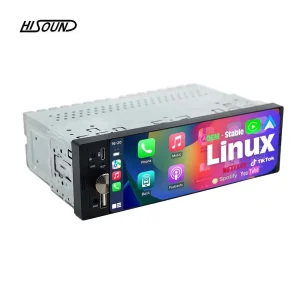
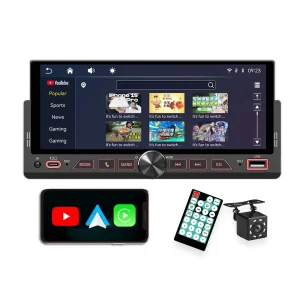
Technological disruption and strict compliance criteria are reshaping the automotive audio supply chain.
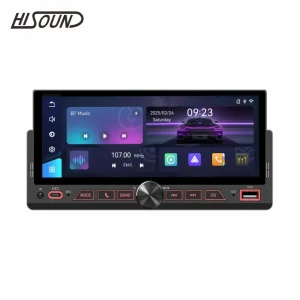
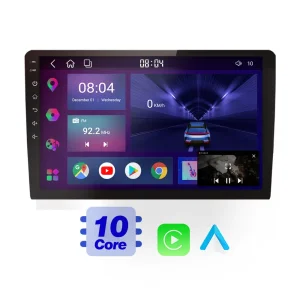
The automotive receiver sector has evolved far beyond traditional MP3/WMA decoding chips. Today, the global automotive market demands high-integration, secure System-on-Chips (SoCs) capable of processing real-time telemetry alongside multi-channel audio streaming. The industry is currently divided into two core architectures: Linux-based MP5 stereo platforms and Android-based OS systems. Linux platforms are favored by commercial vehicle operators and Tier-1 integrators for their rapid boot times (typically under 3.5 seconds), extreme kernel stability, and minimal hardware overhead. Conversely, Android-based systems (now utilizing up to Android 15 platforms with 10-core processors) dominate consumer segments by supporting comprehensive third-party software deployment, including mapping interfaces, local telematics, and social media platforms.
Procurement professionals are increasingly shifting away from standard analog-output audio chips to advanced digital audio systems containing integrated Digital Signal Processors (DSP). With high-fidelity audio (such as FLAC and DSD formats) becoming standard playback requirements, hardware must offer parametric multi-band equalization, temporal alignment, and active crossovers. This ensures clean output across all driving environments, mitigating the acoustic issues typical of complex cabin interiors. High-grade audio systems now frequently run on dedicated DSP boards that isolate analog audio pathways from high-frequency electromagnetic interference generated by the Bluetooth and Wi-Fi modules.
“According to recent global logistics statistics, over 78% of enterprise buyers prioritize CE and E-mark certifications over basic unit price when procuring automotive audio head units, as unlicensed electronics represent high risks of vehicle safety bus interference.”
Wired connection interfaces are rapidly becoming legacy tech. The current global market demands dual-band Wi-Fi (2.4GHz & 5.8GHz) along with Bluetooth 5.0 arrays to ensure stable wireless CarPlay and Android Auto links. The connection transition must be seamless, with automatic reconnect times below 5 seconds from system boot. This requires engineering teams to optimize the network stack within the embedded OS, preventing dropouts in densely populated radio environments.
Key specifications and quality benchmarks required by international automotive importers.
Strict adherence to Radio Equipment Directive standards (EN 300 328, EN 301 489) ensures all RF emissions remain well within legal limits, preventing safety bus errors.
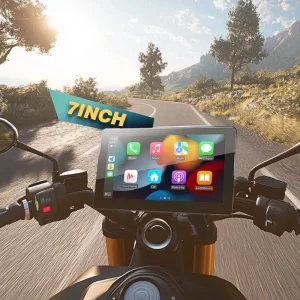
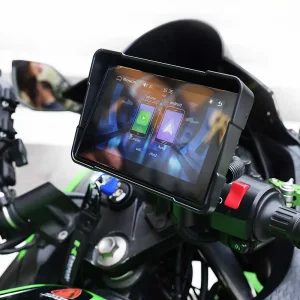
Essential for motorcycle, ATV, UTV, and marine deployments. Uses imported foam adhesive and high-pressure defoaming chambers to eliminate moisture ingress.
Advanced protocol decoding translation layer for vehicle steering wheel controls, factory cameras, air conditioning readouts, and onboard radar diagnostics.
We design, build, and validate specialized hardware systems tailored to diverse physical environments.
Customize screen size, resolution, brightness, touch panel, waterproof structure and mounting design to match your vehicle application.
Customize maps, navigation UI, voice guidance, route planning and vehicle management features for different applications.
Customized mounting brackets, wiring harnesses and interfaces for golf carts, shuttle vehicles, resort vehicles and other applications.
Private-label housing, logo, UI and packaging with engineering support from prototype to mass production.
How we maintain zero-defect standards from technical design to final product shipment.
Define your vehicle application, display size, navigation functions, waterproof requirements, mounting method and branding needs.
Our engineering team develops the hardware, software, mounting structure and UI solution based on your project requirements.
Build samples, test waterproof performance, display reliability, software functions and vehicle installation before mass production.
Move from approved samples to mass production with quality control, technical support and after-sales service throughout the project.
Our manufacturing facility features dedicated automotive chambers to test absolute limits.
Ensures outer case and optical films remain hermetically sealed under intense moisture, avoiding long-term screen fogging issues.
Simulates extreme storage and operating ranges from -30°C to +80°C to guarantee cold-cranking startup and high-temperature thermal dissipation.
Tests structural hinges, locking assemblies, and physical button endurance through thousands of cycles to simulate rigorous daily use.
Subjecting units to high-pressure hot water sprays to verify structural seal integrity under extreme IP67, IP68, and IPX8 grading standards.
Simulates rough highway and off-road driving conditions to identify potential PCB trace breaks, loose connection wires, or component displacement.
How our components are engineered to perform under demanding environmental conditions.
Our waterproofing process uses imported foam adhesive and high-pressure defoaming to ensure a durable seal between the display and case, providing excellent waterproofing and reliability. By using cleanroom-level injection systems and high-grade silicone sealing gaskets, we prevent internal condensation. This is a critical requirement for motorcycle CarPlay and UTV stereos exposed to heavy rain and pressure washing.
Our patented removable main unit design prevents theft while incorporating a built-in DVR function, eliminating the need for separate wiring and enhancing ease of use. The design allows drivers to clip the screen out of its bracket in less than 2 seconds, while the system retains active loop-recording and camera power management routines on the rear terminal array.
Our screens utilize high brightness technology and 2.5D full lamination technology for excellent visibility and a clearer display experience, even in straight sunlight. Ordinary displays suffer from air gap reflection, making screens unreadable under bright noon sunlight. Our optical bonding process fills the air gap with specialized index-matching optical gel, reducing reflection by over 85% and increasing structural impact resistance.
Each product is fully tested for durability, waterproof and reliability. Our screens meet international standards including CE, Rohs, ISO and IPX8 certifications to ensure quality and safety. We work closely with leading test laboratories to certify our systems, ensuring trouble-free import customs clearance and complete compliance with European safety and environmental standards.
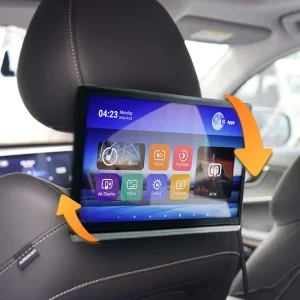
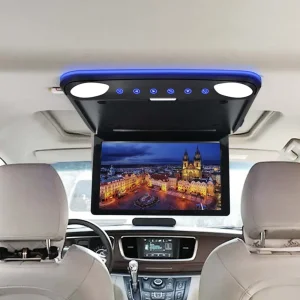
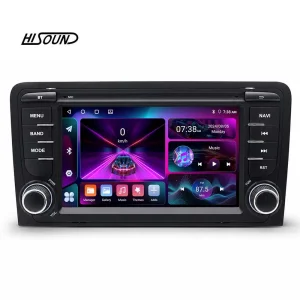
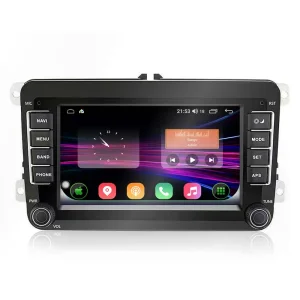
Premium touchscreens, tablets, and specialized off-road sound bars engineered to keep passengers connected.
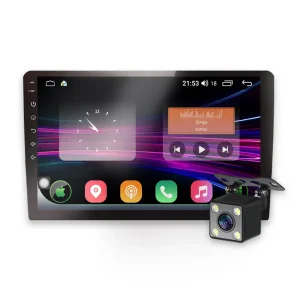
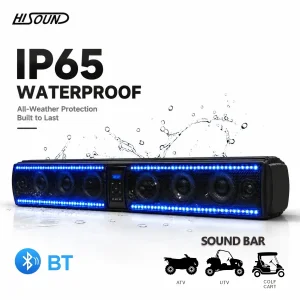
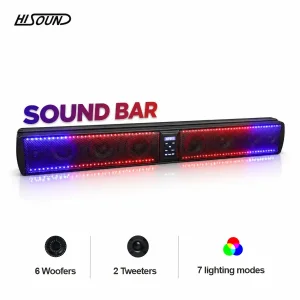
A look into Hisound’s engineering history and global footprint.
Founded in 1979, Hisound has grown over 44 years into a leading global manufacturing platform. We excel in technology research, brand operations, and cross-border distribution. Our dedicated brand, REFINE Ruifeng, was established in 2004 to bring high-end acoustic systems to international aftermarket networks. Today, our advanced factory processes handle everything from raw PCB surface-mount assembly (SMT) to specialized dustproof screen lamination under one roof.
Unlike trading companies, Hisound maintains direct oversight of software integration. Our hardware configurations are supported by custom firmware builds, helping distributors reduce system lag and prevent standard kernel crashes. We maintain long-term relationships with Tier-1 component suppliers, ensuring stable pricing and continuous component supply even during market fluctuations.
Technical, regulatory, and logistics answers for global procurement professionals.
 Hisound carAudio