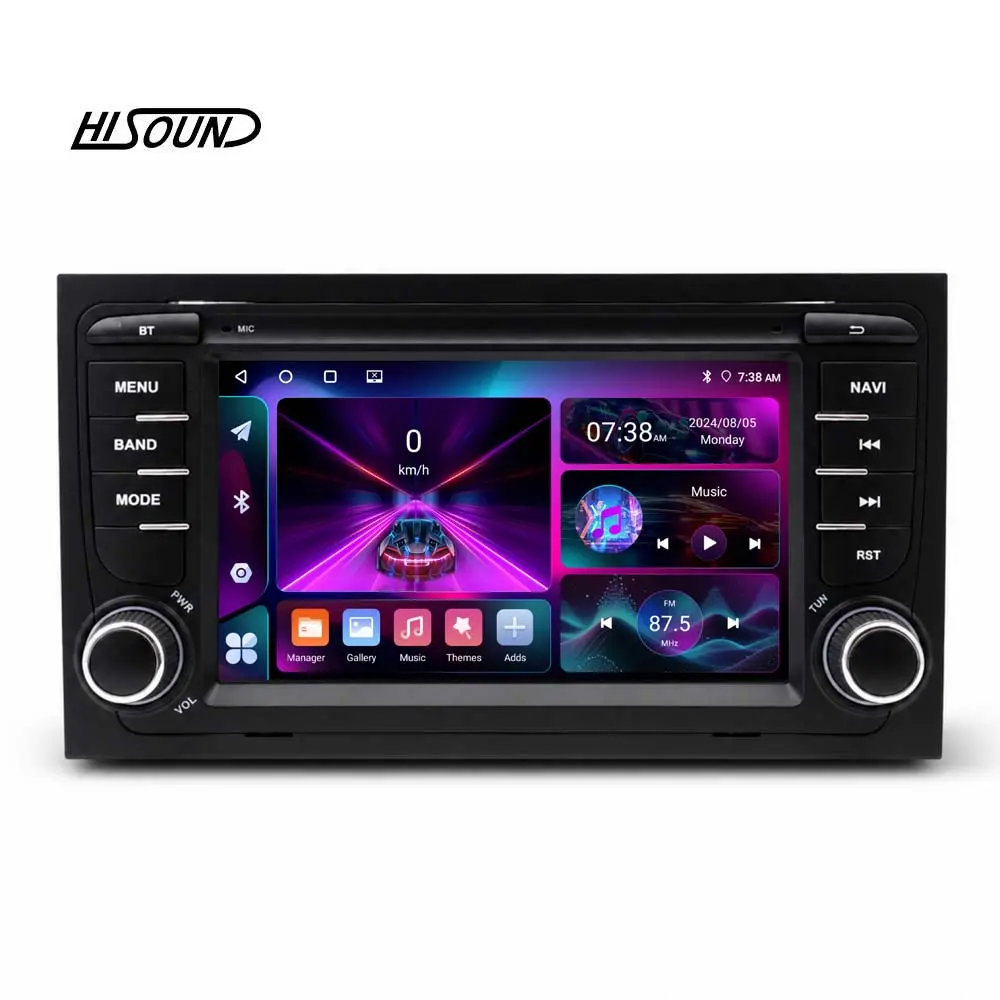
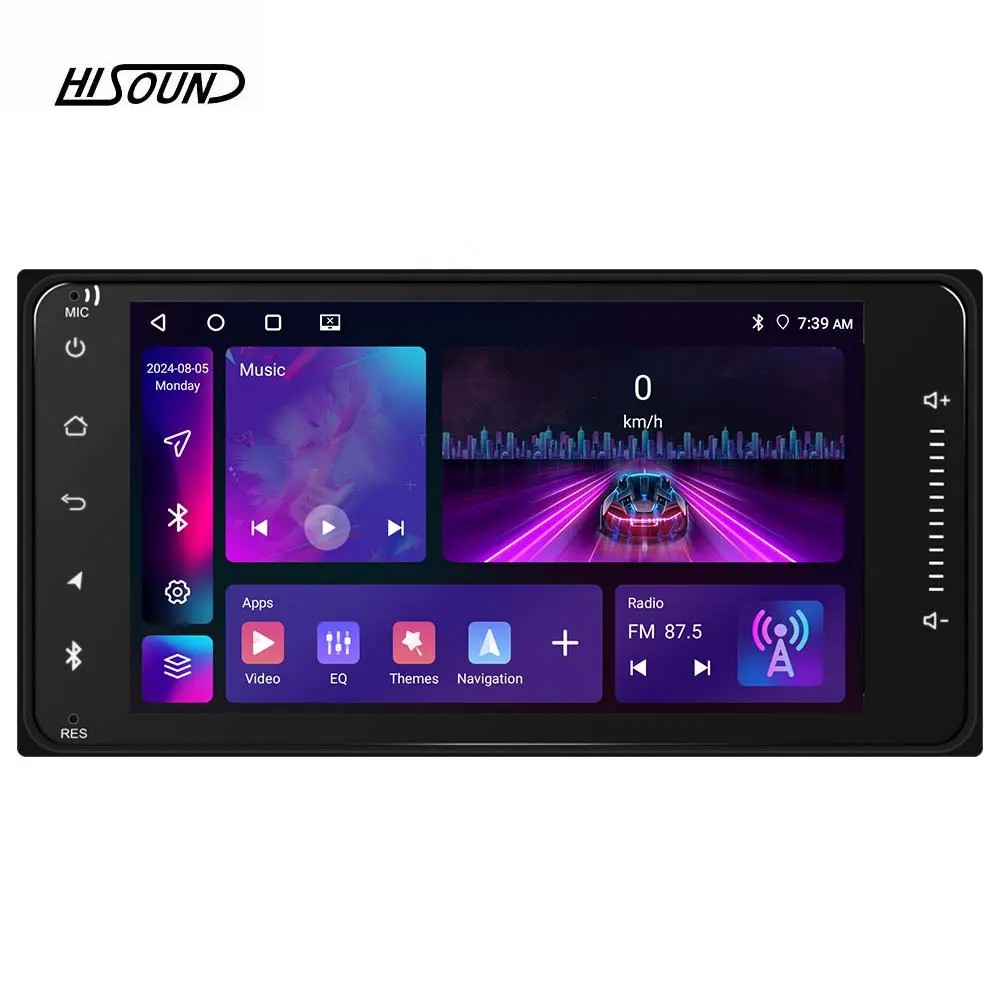
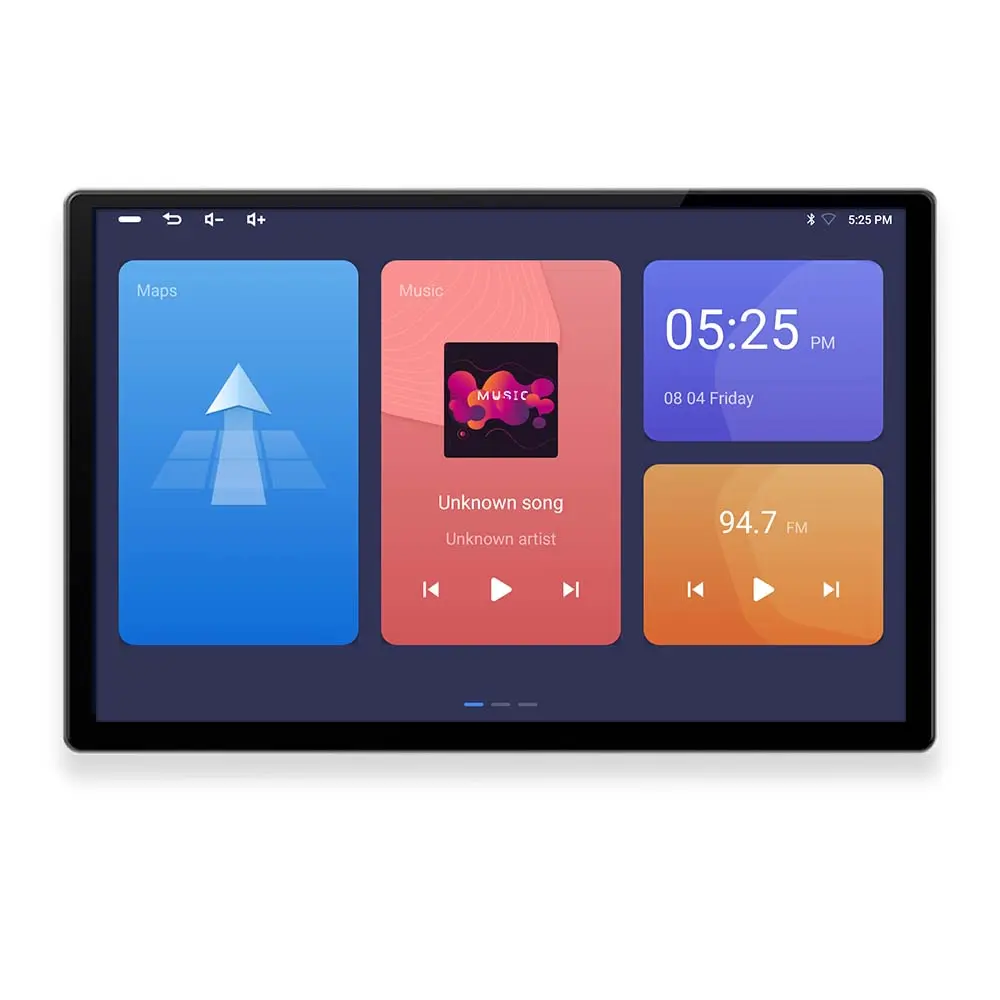
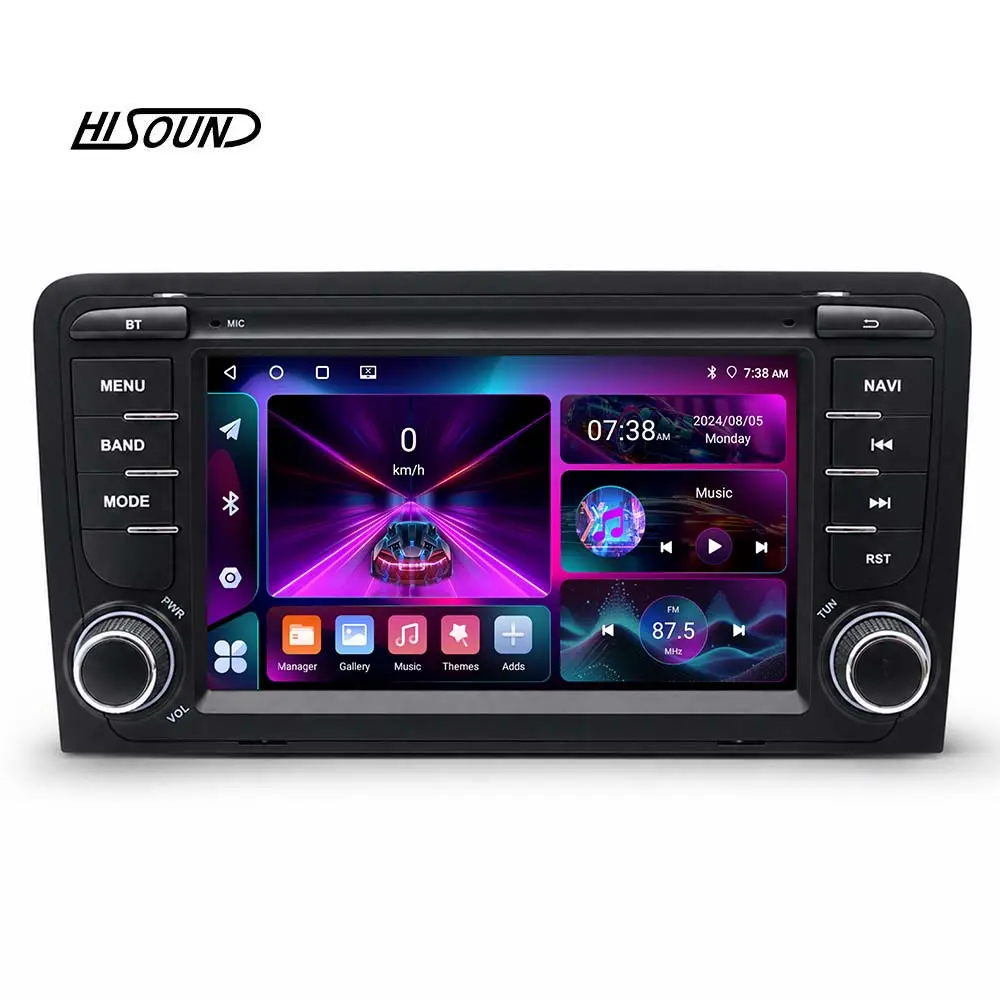
Select catalog items manufactured under ISO 9001 and CE compliance configurations.
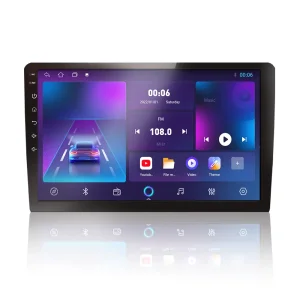
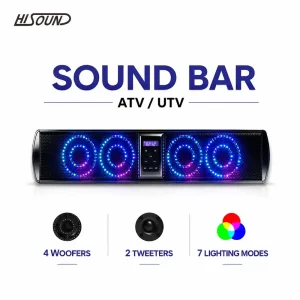
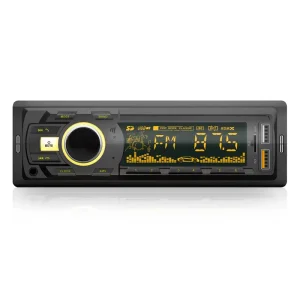
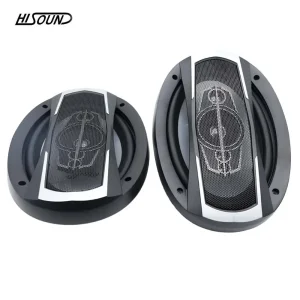
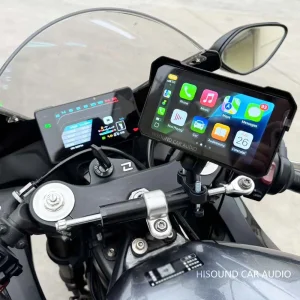
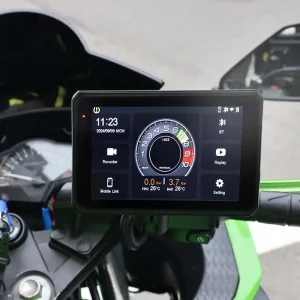
Analyzing the demand for reliable in-vehicle displays and international CE directive safety compliances.
The global automotive infotainment industry has evolved from basic audio systems to central interactive control centers, serving as the interface for driver assistance, navigation, and vehicle diagnostics. Modern cockpits require highly reliable visual panels that can operate under extreme temperature fluctuations, direct sunlight, and constant mechanical vibration. Today's commercial fleets, original equipment manufacturers (OEMs), and aftermarket brands rely on global supply chains that balance cost efficiency with strict safety compliance.
Within this ecosystem, the European CE (Conformité Européenne) mark represents a vital regulatory benchmark. A touchscreen car radio is not simply an entertainment device; it is a complex electronic component integrated with the vehicle's electrical bus (CAN-bus) and wireless telecommunication signals (Bluetooth, Wi-Fi, GPS). To achieve CE compliance, manufacturers must satisfy critical harmonized directives. First, the Electromagnetic Compatibility (EMC) Directive 2014/30/EU guarantees that the head unit does not interfere with critical electronic systems (such as ADAS or ABS) and is shielded against external electromagnetic noise. Second, the Radio Equipment Directive (RED) 2014/53/EU dictates that the wireless transceiver modules (Wi-Fi, Bluetooth, 4G LTE) operate efficiently within designated frequencies without causing signal interference.
Modern touch panels use multi-point capacitive display panels to ensure fast response times and support gesture controls. B2B buyers must prioritize optical qualities like high brightness (often over 800-1000 nits for outdoor or open-cabin vehicles) and full lamination. Standard air-bonded screens display a visible air gap that reflects external light, reducing visibility in bright daylight. Full lamination (using optical clear adhesive or OCA) bonds the cover glass directly to the LCD panel, eliminating reflections, improving contrast, and creating a dust-proof, moisture-resistant barrier. This level of physical reliability is essential not only for standard sedans but also for utility passenger shuttle vehicles, golf carts, and agricultural equipment.
Why direct-from-factory partnerships in China optimize product life cycle development times.
China remains the center of global automotive electronics manufacturing, driven by extensive raw material availability, efficient component ecosystems, and deep manufacturing expertise. While entry-level factories compete solely on cost, tier-1 manufacturers like Hisound base their advantages on advanced manufacturing engineering, strict quality management, and rapid prototyping capabilities.
One of the primary benefits of sourcing from China is the concentration of upstream component suppliers. From high-grade chipsets (such as Rockchip, Allwinner, and Qualcomm Snapdragon platforms) to display glass (BOE, Innolux) and multi-layer PCBs, every stage of the bill of materials (BOM) is sourced, verified, and assembled within a localized geographic radius. This minimizes transit times, protects the assembly process from global logistics delays, and allows factories to offer high customization flexibility at reasonable minimum order quantities (MOQs).
Furthermore, professional manufacturing facilities employ automated Surface Mount Technology (SMT) lines, computerized functional testing, and specialized automated optical inspection (AOI) systems. By automating assembly and internal testing, modern factories achieve consistent build quality with low failure rates (measured under 500 PPM). This efficiency enables international distributors, car dealerships, and e-commerce brands to launch customized products up to 50% faster than those sourcing from regional assemblers.
Comprehensive ODM custom system engineering from initial concept to mass production.
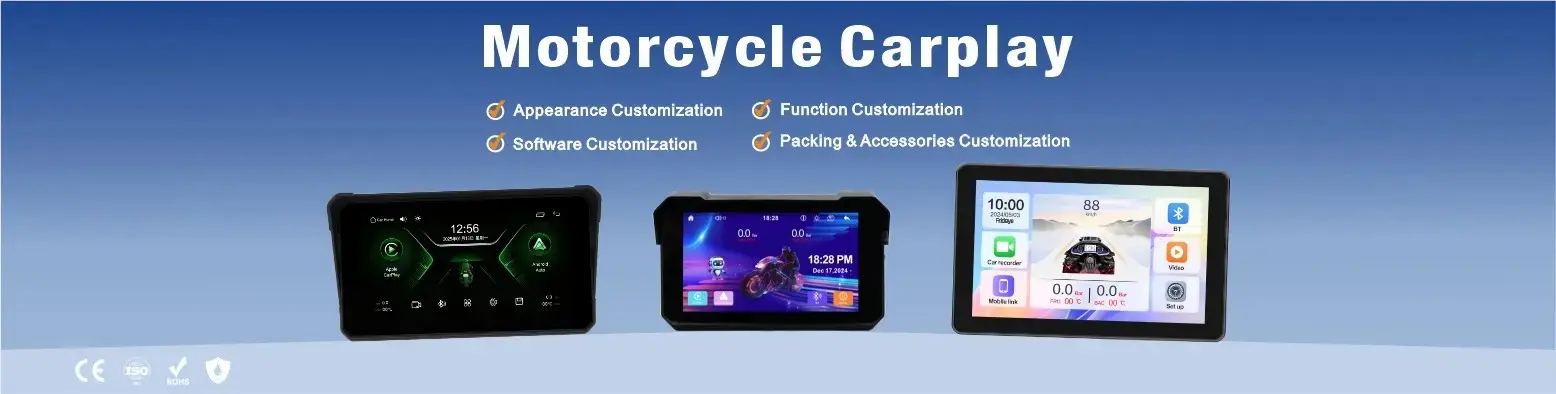
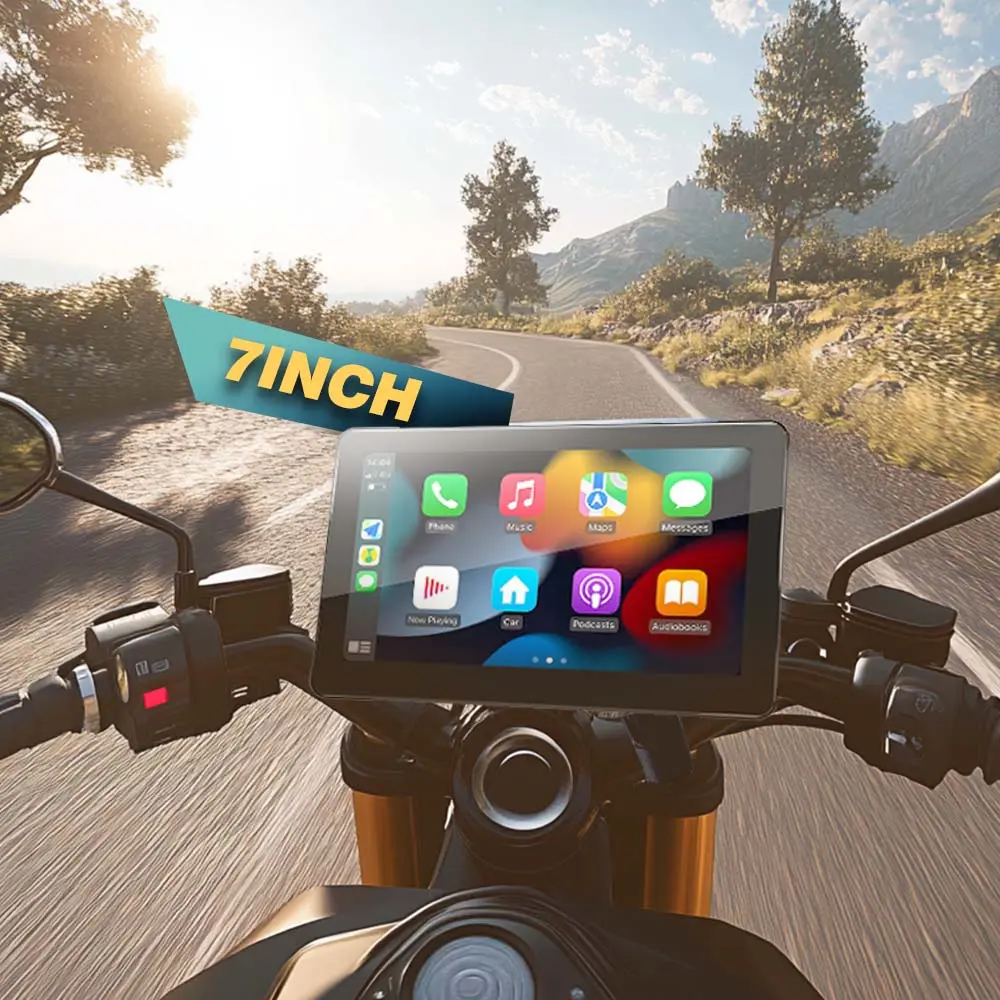
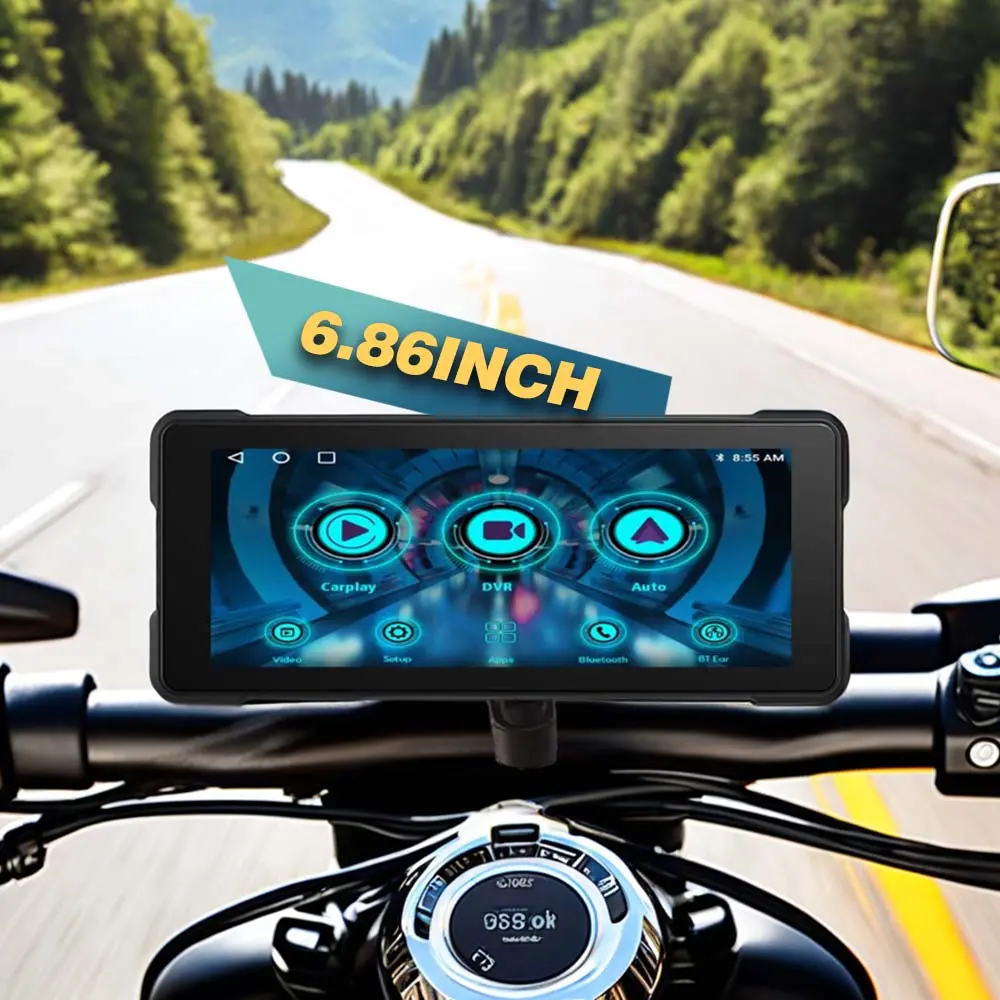
Customize screen size, resolution, brightness, touch panel, waterproof structure, and mounting design to match your vehicle application.
Customize maps, navigation UI, voice guidance, route planning, and vehicle fleet management features for different applications.
Customized mounting brackets, wiring harnesses, and interfaces for golf carts, shuttle vehicles, resort vehicles, and other applications.
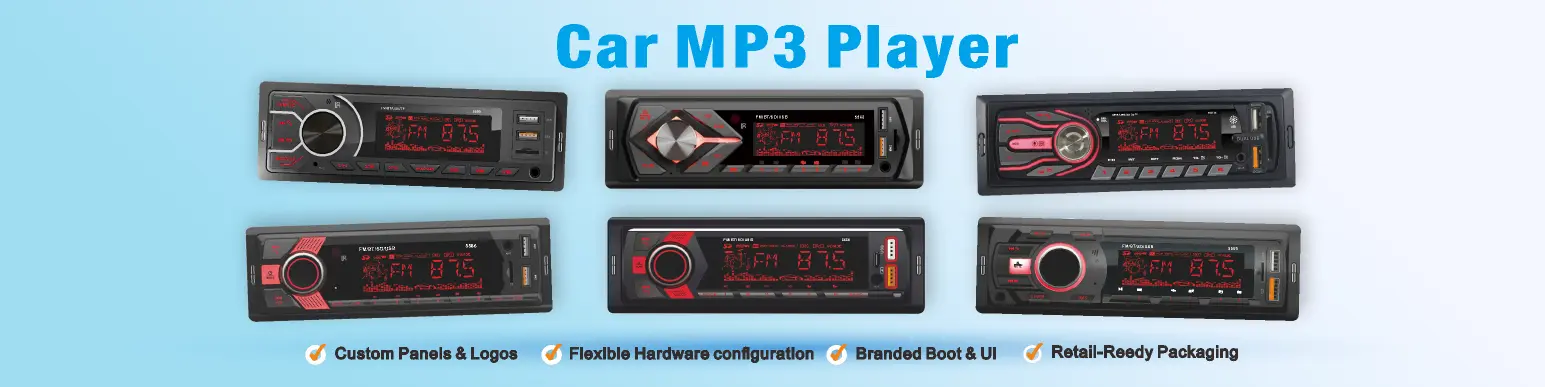
Private-label housing, logo, UI, and packaging with engineering support from initial prototype validation to mass production.
Custom designs for various road environments, passenger cabins, and powersport vehicles.
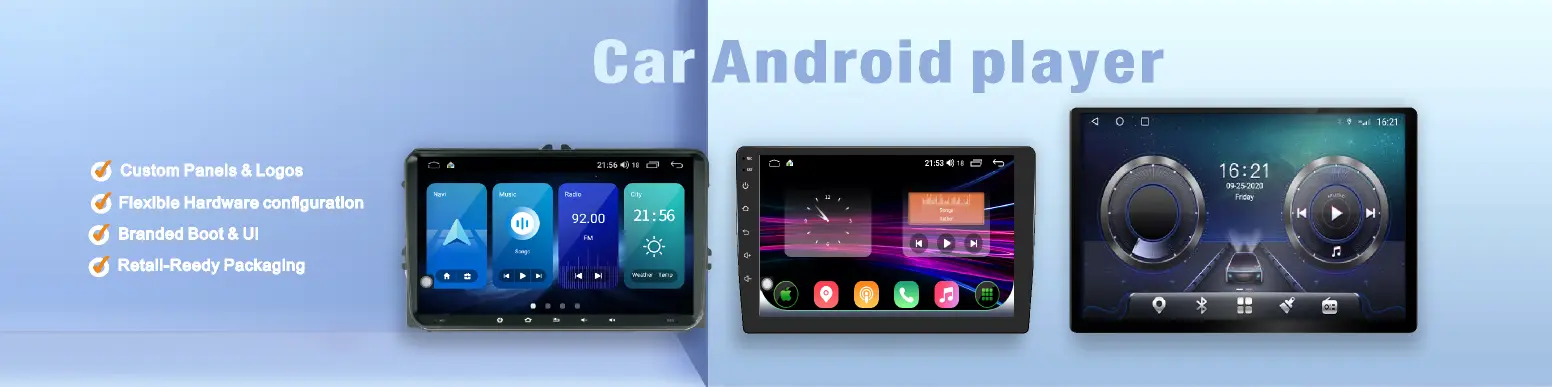
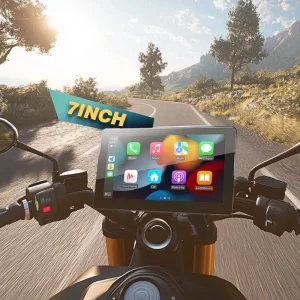
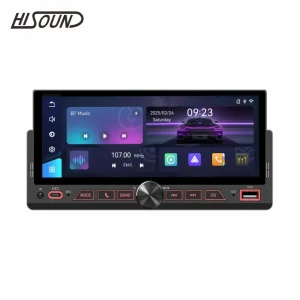
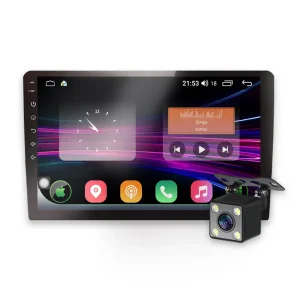
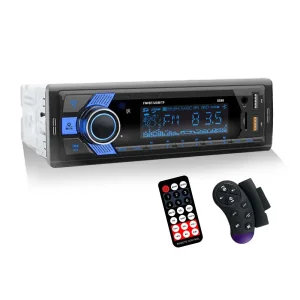
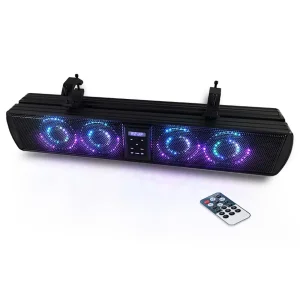
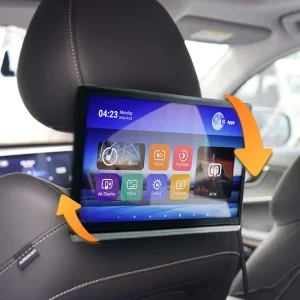
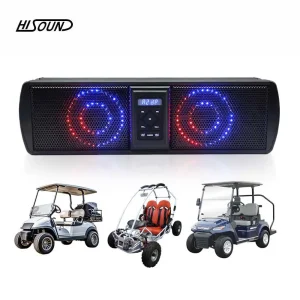
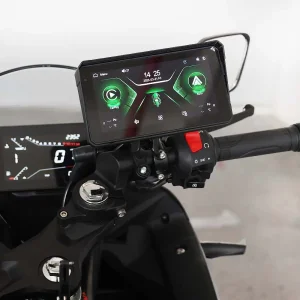
In-vehicle entertainment systems are no longer limited to universal 1-DIN or 2-DIN dashboard designs. B2B buyers require specialized products tailored to specific vehicles and environmental challenges:
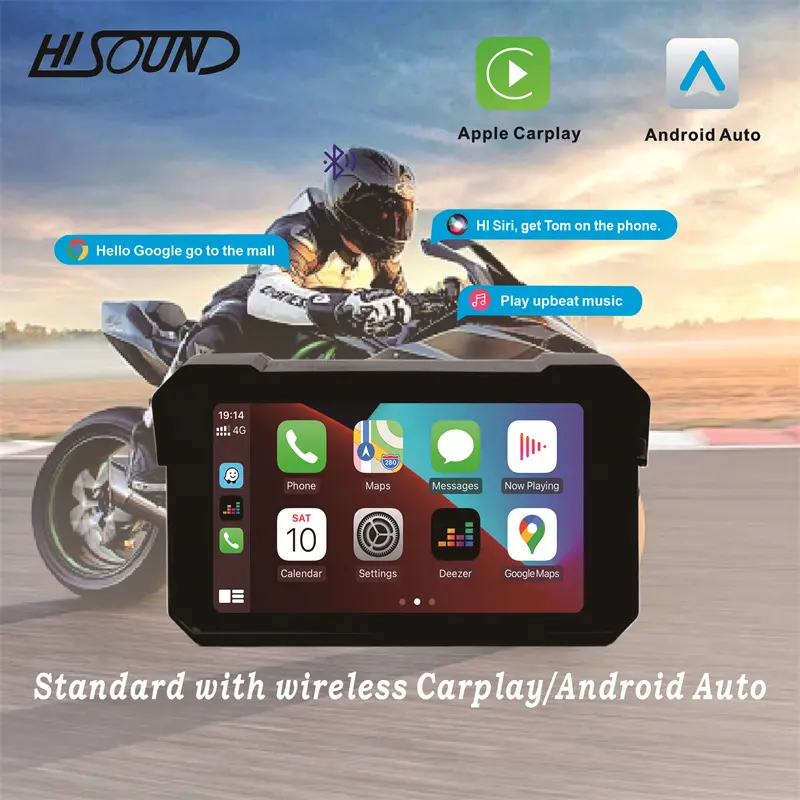
Software ecosystems are shifting toward Linux and modern Android systems (such as Android 13 and Android 15). Linux is preferred for entry-level infotainment and motorcycle displays due to its fast boot times, low system memory usage, and stable operating performance. Meanwhile, Android supports a larger app store, customized launcher interfaces, and regular feature updates. Integrating wireless CarPlay and Android Auto via dual Bluetooth architectures allows modern systems to run navigation and audio streaming without overheating or draining the mobile device's battery.
Ensuring hardware and software reliability through structured product development phases.
Define your vehicle application, display size, navigation functions, waterproof requirements, mounting method, and branding needs.
Our engineering team develops the hardware, software, mounting structure, and UI solution based on your project requirements.
Build samples, test waterproof performance, display reliability, software functions, and vehicle installation before mass production.
Move from approved samples to mass production with quality control, technical support, and after-sales service throughout the project.
Engineered to deliver performance, safety compliance, and durability in challenging environments.
Our waterproofing process uses imported foam adhesive and high-pressure defoaming to ensure a durable seal between the display and case, providing excellent waterproofing and reliability.
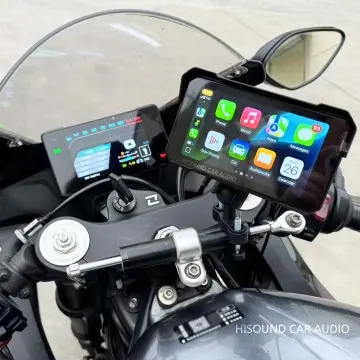
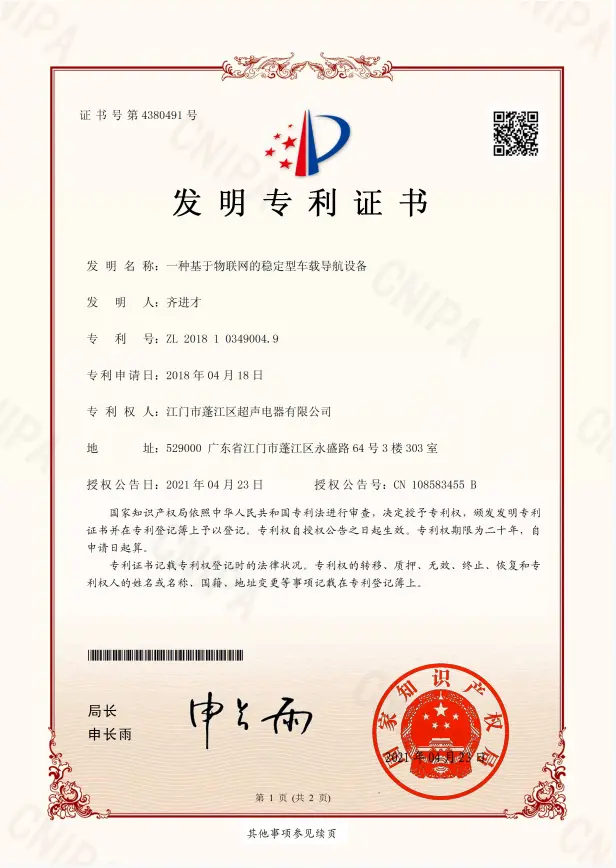
Our patented removable main unit design prevents theft while incorporating a built-in DVR function, eliminating the need for separate wiring and enhancing ease of use.
Our screens utilize high brightness technology and 2.5D full lamination technology for excellent visibility and a clearer display experience, even in straight sunlight.
We offer customizable solutions including personalized logos, screen UI, and packaging to cater to individual business needs, from large wholesalers to small retailers.
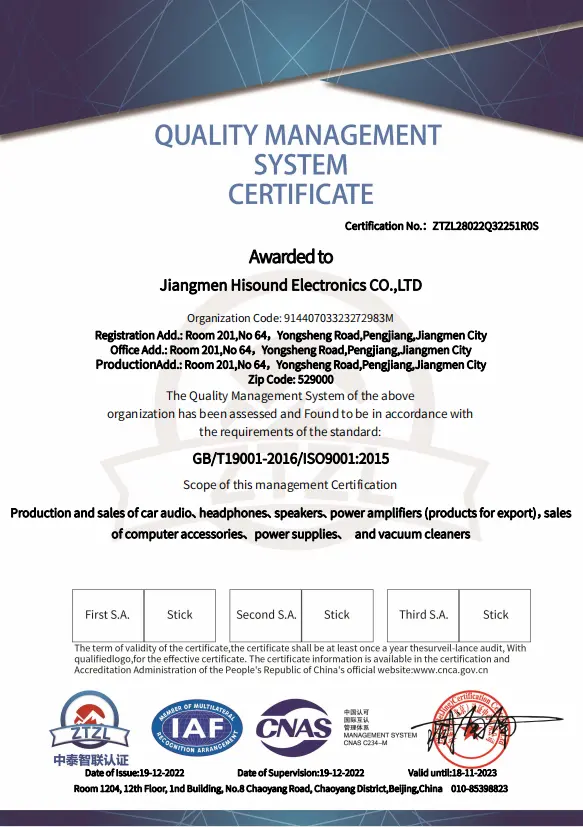
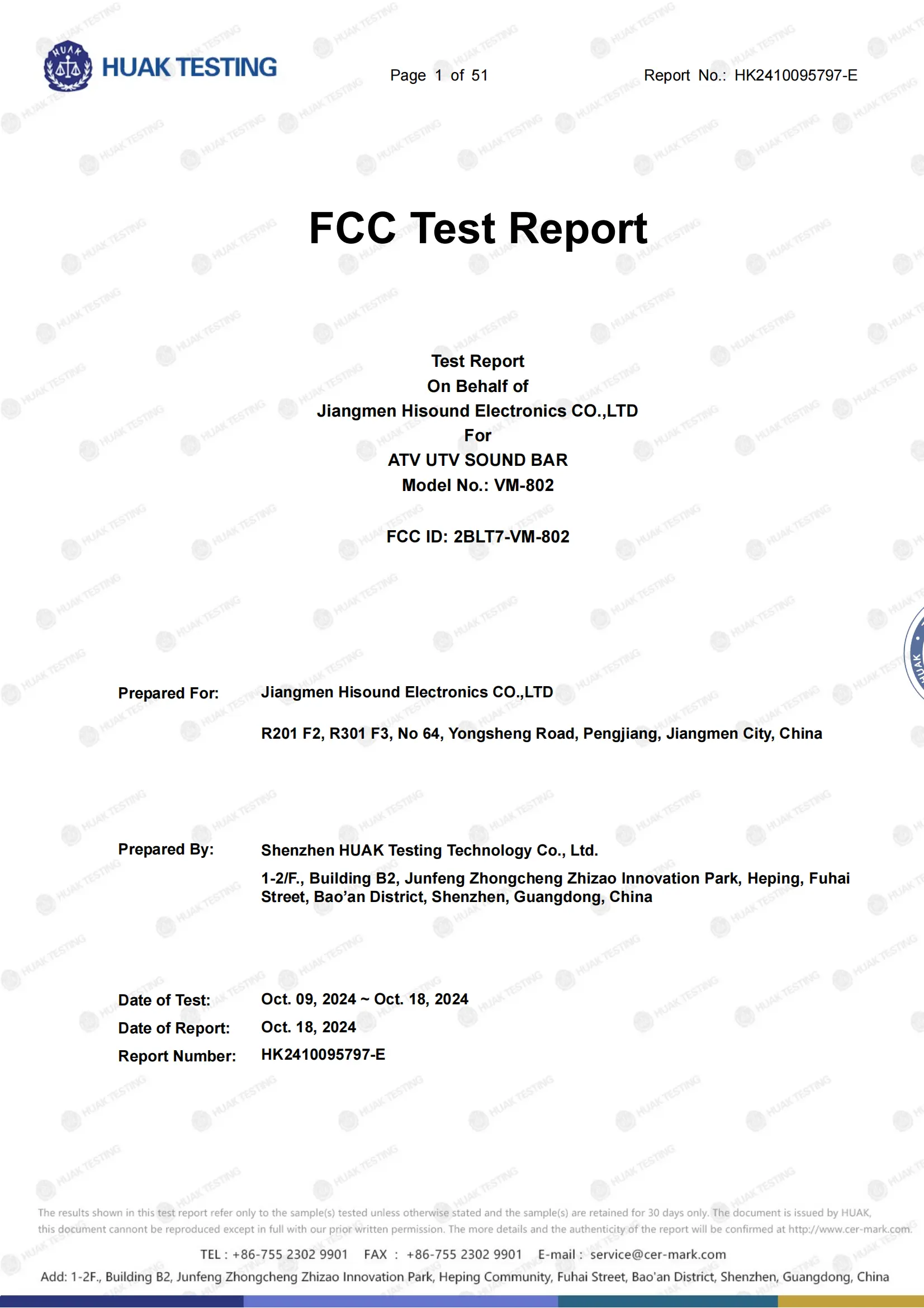
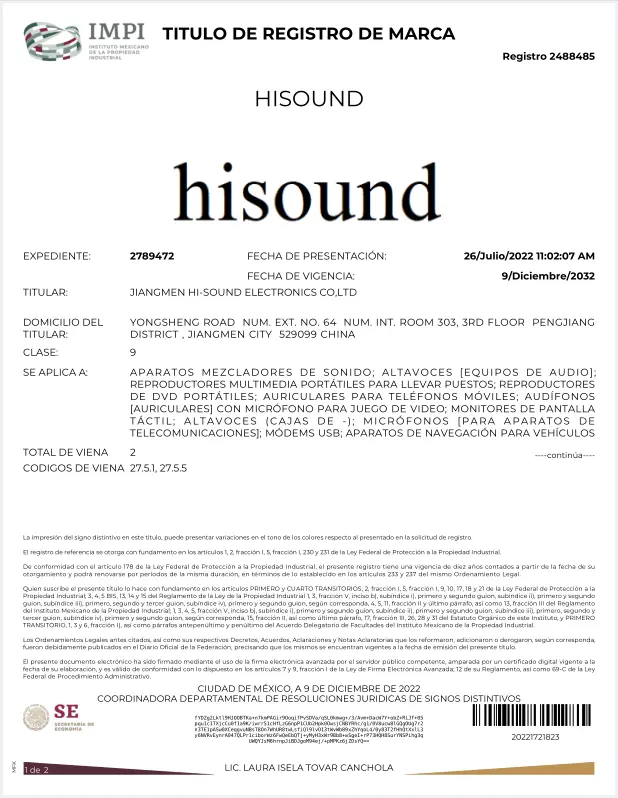
Each product is fully tested for durability, waterproof and reliability. Our screens meet international standards including CE, Rohs, ISO and IPX8 certifications to ensure quality and safety.
Every infotainment unit passes strict automated testing before leaving the factory.
Applies stable polymer packaging seals to protect raw electronics from environmental humidity before final dispatch.
Simulates extreme automotive temperatures (from -30°C to +80°C) to ensure board-level components do not fail.
Verifies physical seals and interface wear through hundreds of hours of continuous open-close cycles.
Submerges assemblies under controlled pressures to guarantee IPX8 sealing ratings for off-road and motorcycle screens.
Replicates rugged road vibrations to verify solder joint integrity and ensure components do not shake loose.
Our operational flow chart includes multi-stage checks at every key workstation. Workstations cover preliminary function tests, Hisound motor screen product line processing, full-assembly Hisound Motorcycle Screen tests, standard Hisound product line evaluations, targeted moto screen function testing, and aging tests. In the aging phase, units operate continuously at full processing load for 24-48 hours. This is followed by visual checks, laser logo printing, and final product packaging.
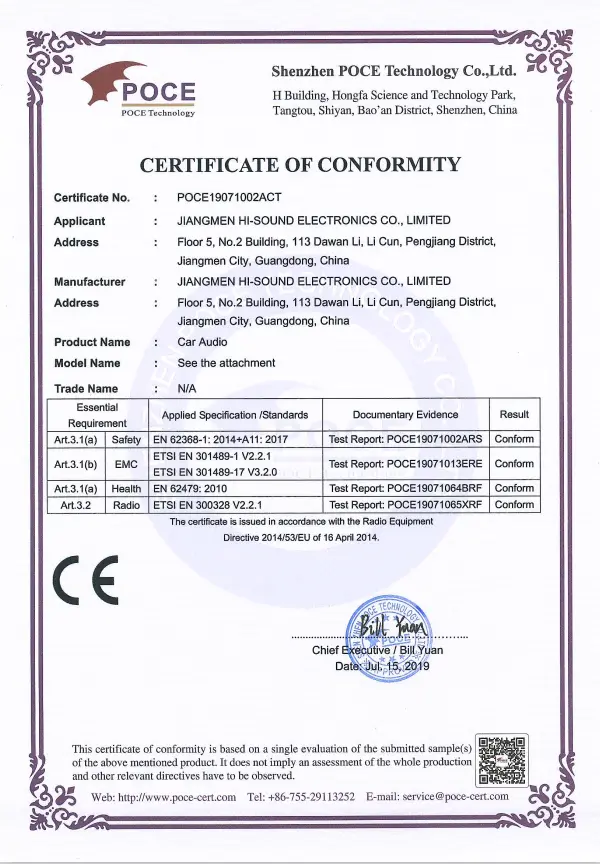
Official CE, ISO, and regulatory compliance documents verifying our quality processes.
Building reliable automotive audio partnerships since 1979.
Founded in 1979, Hisound has built 44 years of expertise in electronic research and development, brand operation, and global supply chain services. In 2004, the REFINE Rui Feng brand was established, focusing on expanding global automotive head unit distribution channels. We are committed to growing alongside our business partners, delivering competitive pricing, prompt delivery schedules, and reliable engineering support.
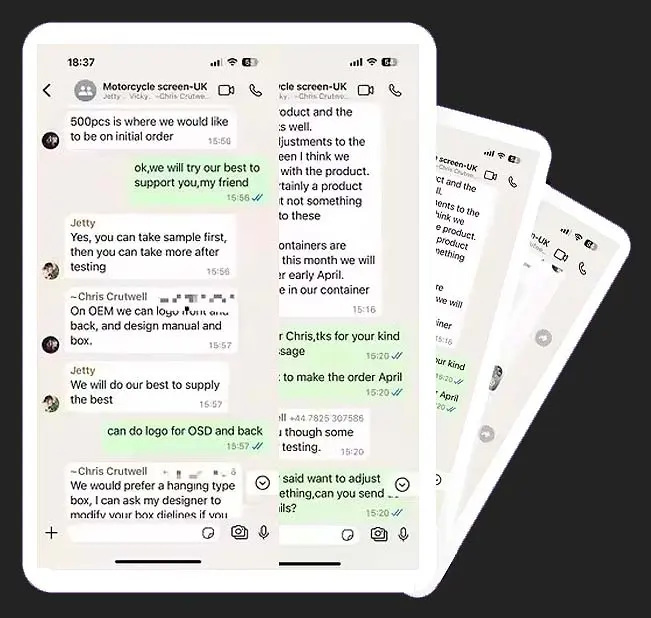

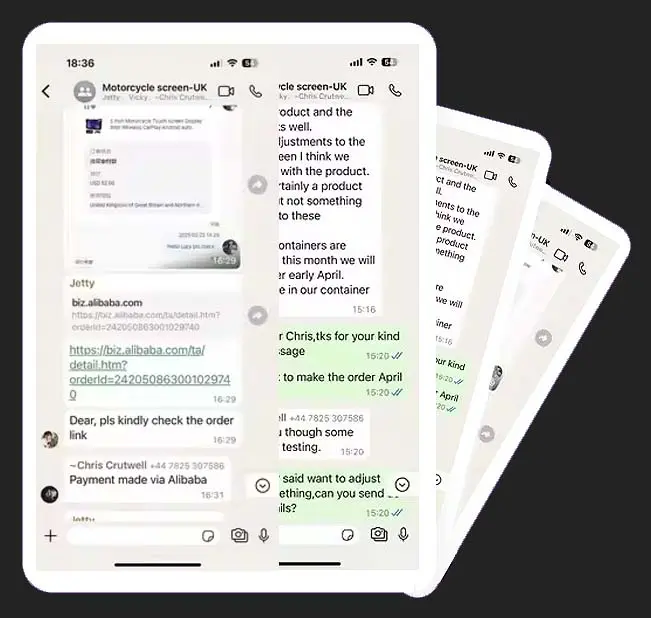
"We have partnered with Hisound to supply our dealer networks in Southern Europe. Their CE compliance certificates are fully documented, and their IPX8 waterproof motorcycle navigation systems have set a new benchmark for field reliability."
Commercial Procurement Officer, Automotive Accessories Group Spain
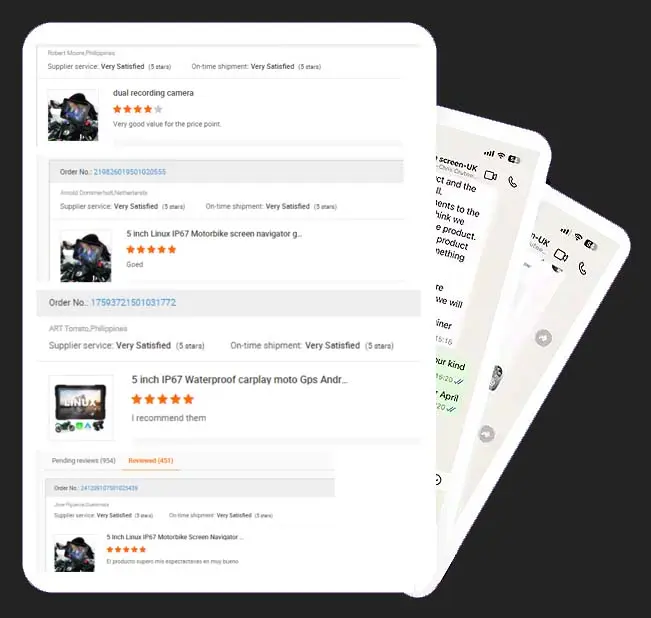
"Hisound's custom OEM design process allowed us to launch a tailor-made Volkswagen-compatible head unit within four months. The packaging, UI branding, and custom CAN-bus integration met our specifications perfectly."
Director of Product Development, German Audio Importers GmbH
Essential details on engineering, certification, logistics, and order customization.
Every product batch is tested by accredited third-party laboratories to verify compliance with Electromagnetic Compatibility (EMC Directive 2014/30/EU) and Radio Equipment (RED Directive 2014/53/EU) regulations. We provide complete CE declarations of conformity and test reports to support customs clearance in the European Union.
Our motorcycle displays are submerged under water pressure at depths of up to 1.5 meters for over 30 minutes, meeting strict IPX8 standards. This process uses imported foam adhesive sealants and high-pressure defoaming chambers to maintain housing integrity under heavy rain and high-pressure washdowns.
We provide full customization across both hardware and software. Hardware changes include custom screen sizes, display panel glass (such as 2.5D laminated IPS options), bezel designs, and custom wire harnessing. Software customizations cover boot logos, launcher UI themes, integrated navigation mapping, and localized OS firmware.
Yes. We design and package custom CAN-bus decoders for various vehicle configurations, including Volkswagen, Audi, and Toyota models. This ensures compatibility with steering wheel buttons, climate control displays, active parking sensors, and onboard vehicle diagnostics.
Full lamination (using optical clear bonding) removes the internal air gap between the LCD and outer cover glass. This structure minimizes sun glare, improves contrast in bright daylight, and prevents internal fogging caused by rapid temperature changes.
We feature a patented removable main unit design that lets riders detach the display to prevent theft. The system also includes a dual-camera DVR (front and rear) powered directly through the central mount, saving space and simplifying installation.
Depending on the project requirements, we use either Linux or customized Android platforms. Linux is chosen for motorcycle displays because of its fast boot times and system stability. Android (ranging from Android 12 to 15) is used for full-featured passenger cars and rear-seat tablets, supporting app installations and customization.
Each unit undergoes multiple inspection stages, including initial functional tests, automated SMT optical checks, high-pressure waterproof testing, vibration testing, and a 24-hour thermal aging run. This process maintains our defect rate below 500 PPM.
High-durability accessories, specialty motorcycle displays, and passenger screens.
 Hisound carAudio