Explore our premium factory-direct solutions featuring wireless CarPlay integration, IPX8 waterproofing, high-contrast LCDs, and multi-protocol communication systems.
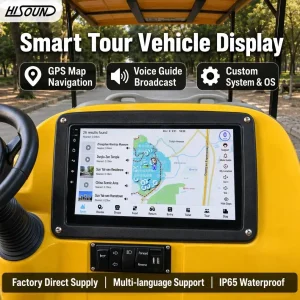
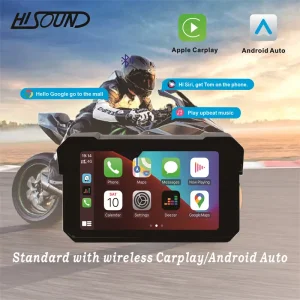
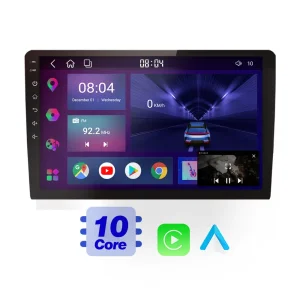
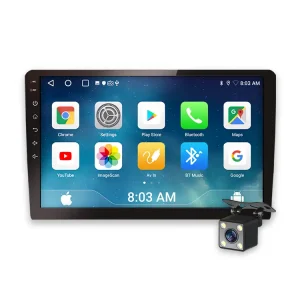
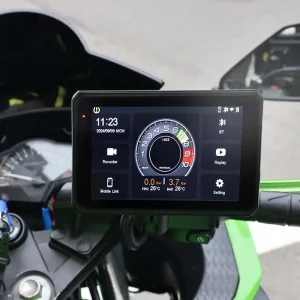
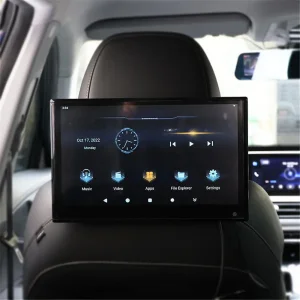
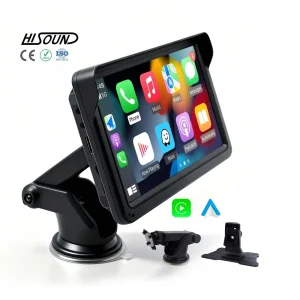
An in-depth analysis of battery monitoring systems, CAN-bus networks, cost metrics, and hardware requirements for next-generation light electric vehicles (LEVs).
The global shift toward sustainable mobility has rapidly accelerated the electrification of low-speed vehicles (LSVs), utility transport systems, golf carts, and airport ground support equipment (GSE). Historically, simple lead-acid batteries powered these fleets, requiring minimal display oversight beyond basic, inaccurate analog voltage needles. However, the modern transition to lithium chemistries—predominantly Lithium Iron Phosphate (LiFePO4) and Lithium Nickel Manganese Cobalt Oxide (NMC)—demands extremely precise monitoring. Lithium battery discharge curves are exceptionally flat, meaning traditional voltage-based metering fails to project accurate State of Charge (SoC). Without intelligent digital dashboards connected directly to the Battery Management System (BMS) over CAN-bus, industrial fleet operators suffer from sudden, unpredictable shutdowns, reduced battery cycle lifetimes, and severe operational inefficiencies.
Smart displays have transitioned from basic indicators to central vehicle intelligence units. They act as localized processing hubs, gathering diagnostic metrics from the BMS, motor controller, and onboard telematics. This allows real-time display of critical parameters including current draw, thermal warnings, cell imbalance alerts, and calculated time-to-empty metrics, protecting battery packs that often cost thousands of dollars per vehicle.
Critical Insight: Modern fleet management relies on active, micro-controller driven battery indicators that utilize dynamic Coulomb counting algorithms paired with CANopen or J1939 communication architectures, ensuring battery tracking accuracies within ±1% deviations.
When selecting smart battery displays for electric carts, structural robustness must match electronic precision. Electric carts operate in diverse outdoor settings—ranging from humid coastal golf courses and dusty construction sites to freezing refrigerated warehouses. To withstand these harsh environments, high-performance displays employ 2.5D optical bonding (full lamination) technology. This manufacturing technique fills the gap between the touch panel glass and the internal LCD display with optical-grade resin, eliminating internal air cavities. This process removes internal refraction, enhances screen readability under direct sunlight up to 1000 nits, and completely prevents moisture condensation and fogging inside the display casing.
Furthermore, waterproofing is reinforced using imported foam adhesives combined with vacuum high-pressure defoaming chambers. This produces a hermetically sealed barrier capable of meeting IP67 or IP68 ingress protection standards. The display can withstand high-pressure washdowns and torrential downpours. Mechanically, the core architecture is built around automotive-grade 32-bit ARM Cortex processors, integrated CAN transceivers, and robust voltage regulators capable of handling common voltage spikes (typically up to 100V DC) seen in electric vehicle powertrains during regenerative braking cycles.
Procuring smart displays from China requires an understanding of hardware tiers, customization complexities, and order volume dynamics. The table below outlines average market pricing structures for wholesale buyers, based on technical specifications:
| Display Category | Primary Interface / Protocol | Key Features | Price Range (FOB China) |
|---|---|---|---|
| Entry-Level Display | Analog / RS485 / 1-Wire | Basic SoC%, Voltage readout, IP65 Plastic casing | $15 - $35 / Unit |
| Mid-Tier CAN-bus Display | CANopen / SAE J1939 / RS232 | TFT LCD screen, IP67 rating, Customizable UI, Fault alerts | $45 - $85 / Unit |
| Premium IoT Dash Screen | CAN-bus / 4G LTE / GPS / Bluetooth | Android/Linux OS, Full lamination, Fleet tracking API, Touchscreen | $120 - $250+ / Unit |
When requesting quotes from China-based suppliers, OEM buyers should verify core parameters: input voltage tolerance (e.g., wide range 9V-96V DC), physical mold modification capabilities, custom firmware support for proprietary BMS protocols, and testing certification reports. Tooling costs for custom plastic enclosures range from $5,000 to $15,000, while custom UI designs and communication protocol configurations are often provided free of charge for orders exceeding 1,000 units.
Our quality assurance framework utilizes specialized testing equipment to guarantee field reliability before shipping:
Simulates extreme environmental transitions, testing LCD response times and internal PCB stress across temperatures ranging from -40°C to +85°C.
Subjects mounting brackets and display panels to continuous mechanical vibrations, simulating rough terrain off-road operation.
Submerges assemblies under controlled hydrostatic pressure to verify structural seals and lamination integrity, ensuring IPX8 compliance.
This systematic validation process guarantees that each smart battery display operates reliably under heavy workloads. This minimizes warranty claims and protects the reputation of the electric vehicle manufacturer.
Shipping custom electronic assemblies globally requires strict compliance with international regulatory frameworks. Smart displays entering the North American and European markets must comply with electromagnetic compatibility (EMC) regulations, as they operate in close proximity to high-current electric vehicle motors and chargers. Our products undergo rigorous testing to secure CE, FCC, and RoHS certifications, ensuring compliance with environmental and radio frequency standards.
Additionally, electrical safety is validated through ESD (Electrostatic Discharge) protection testing up to 8kV contact and 15kV air discharge, safeguarding internal components when drivers plug in charging cords or touch the display in dry conditions. For industrial environments, screens meet UL 94-V0 flame-retardant casing standards, ensuring safety compliance across global distribution chains.
The next generation of smart battery displays will serve as predictive maintenance gateways. Future product development involves integrating machine learning algorithms directly into the display module's firmware. By logging charge-discharge cycles, internal resistance fluctuations, and operating temperatures, these displays can predict battery capacity degradation (State of Health) over time.
Furthermore, cloud connectivity via integrated 4G/5G telematics modules enables fleet managers to receive real-time battery status alerts, perform over-the-air (OTA) firmware updates, and track asset location via GPS. This integration reduces diagnostic time, prevents premature battery failures, and helps fleet operators minimize downtime.
We work closely with your technical teams, managing the entire product development process from initial concepts to final validation.
We map your vehicle application, battery type, communication protocols (CANopen/J1939), waterproof ratings, and mounting designs.
Our engineers customize the communication protocols, design custom dashboards, and integrate fleet tracking features.
We build engineering samples to test waterproof seals, display reliability under direct sunlight, and field installation performance.
We scale production under strict quality controls, managing component traceability and final calibration testing.
Since 1979, our engineering focus, manufacturing capacity, and quality control systems have delivered reliable vehicle display solutions.
We seal screens using imported foam adhesives and vacuum high-pressure defoaming chambers to eliminate condensation issues.
Our secure, removable mount designs protect hardware in open-cabin vehicles, with options for integrated dual DVR cameras.
Our screens use 2.5D optical bonding and anti-glare filters to ensure readability under strong, direct sunlight.
We provide tailormade boot logos, custom dashboard interfaces, specific wiring harnesses, and custom brackets.
Every batch undergoes thermal stress testing, vibration analysis, and ingress protection checks before shipping.
Compatible with standard protocols including CANopen and J1939, making integration with existing controllers straightforward.
Find answers to common questions about technical integration, customization options, pricing, and shipping logistics.
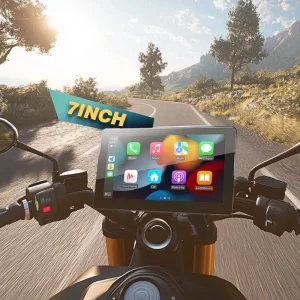
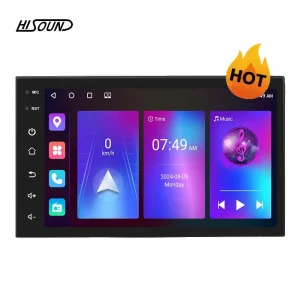
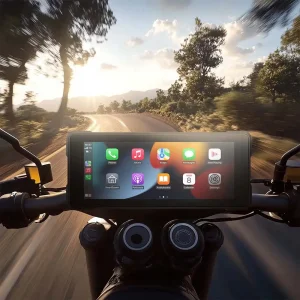
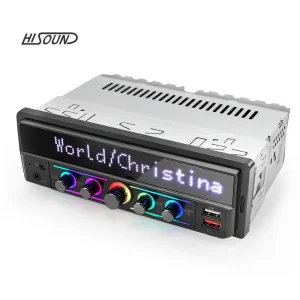
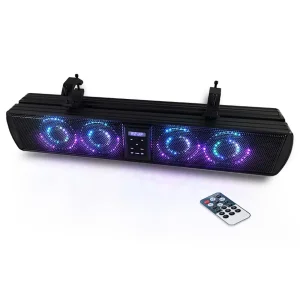
Select from our range of ruggedized multi-application displays, double-din head units, and sound systems designed for outdoor vehicles.
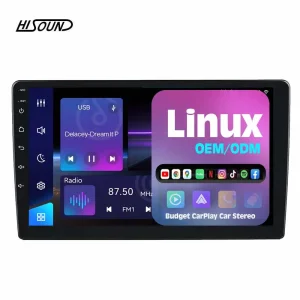
 Hisound carAudio