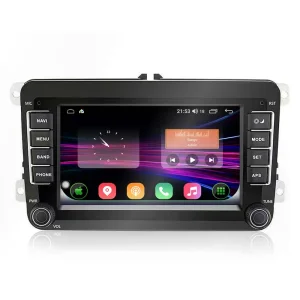
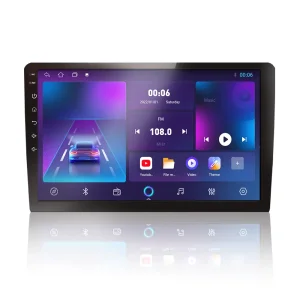
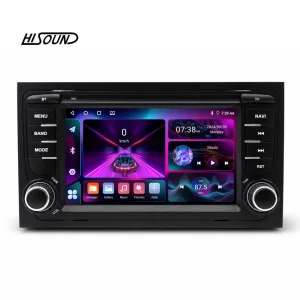
The global public transportation landscape is undergoing a radical transition driven by smart city planning, zero-emission target parameters, and passenger-centric travel expectations. As fleet owners update their shuttle buses, tourism coaches, and city mass transits, the integration of advanced bus audio systems has transformed from an afterthought to a core design specification. Modern coach acoustics must achieve dual goals: delivering crisp, intelligibility-optimized public address announcements for driver-to-passenger communications, and supplying high-definition, multi-zone entertainment streams to improve transit comfort.
In classical automotive layouts, bus audio systems was isolated to a basic AM/FM receiver wired to passive ceiling speakers. Today's architectures integrate smart DSPs (Digital Signal Processors), active noise-reduction algorithms, localized digital audio matrix routing, and synchronization layers linking with GPS-driven stop announcements. This requires deep electrical engineering competencies and rigorous hardware validation.
Procuring bus public address systems and audio modules for passenger coaches involves addressing specific environmental challenges:
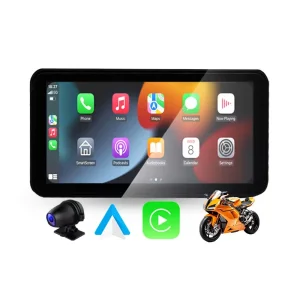
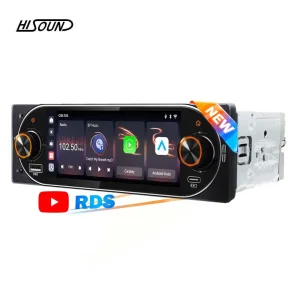
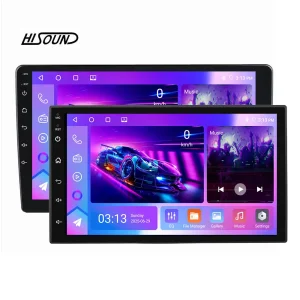
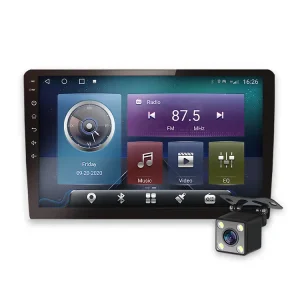
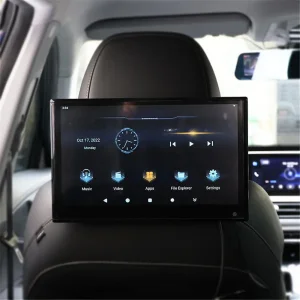
Customize screen size, resolution, brightness, touch panel, waterproof structure, and mounting design to match your specific vehicle application.
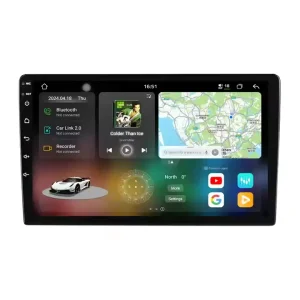
Customize maps, navigation UI, voice guidance, route planning, and vehicle management features for different transit routing setups.
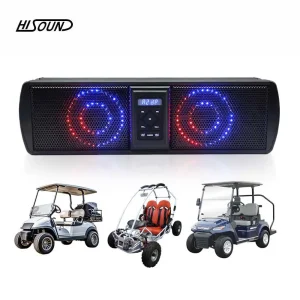
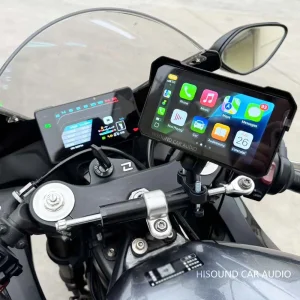
Customized mounting brackets, wiring harnesses, and interfaces for passenger buses, golf carts, shuttle vehicles, resort transport, and off-road fleets.
Private-label tooling housing, custom logo silkscreens, bespoke UI layouts, and specialized retail packaging backed by prototype-to-production support.
Southern China—specifically the electronics hub of Guangdong—houses the world's most vertically integrated automotive audio and display components supply chain. By cooperating with established Chinese manufacturers, global transit vehicle builders and Tier-1 aftermarket brands gain access to several advantages:
Many suppliers offer private mold capabilities that allow brands to bypass standard off-the-shelf plastic enclosures. Integrated custom housing ensures that structural parts, mounting brackets, and cabling connections seamlessly align with specific dashboard or cabin layouts, reducing assembly times in vehicle production lines.
Chinese factories leverage specialized machinery to validate that components meet global standards. Reliability is guaranteed by exposing designs to thermal cycling, ingress protection limits, and structural stress tests.
From PCB design, surface-mount technology (SMT) lines, cleanroom optical bonding for panels, and final product acoustic calibration, every stage occurs under strict quality control. This control is critical for maintaining consistency across multi-year contracts, standardizing pricing, and mitigating components supply shocks.
Define your vehicle application, display size, navigation functions, waterproof requirements, mounting method, and branding needs.
Our engineering team develops the hardware, software, mounting structure, and UI solution based on your project specifications.
Build samples, test waterproof performance, display reliability, software functions, and vehicle installation before mass production.
Move from approved samples to mass production with quality control, technical support, and after-sales service throughout the lifecycle.
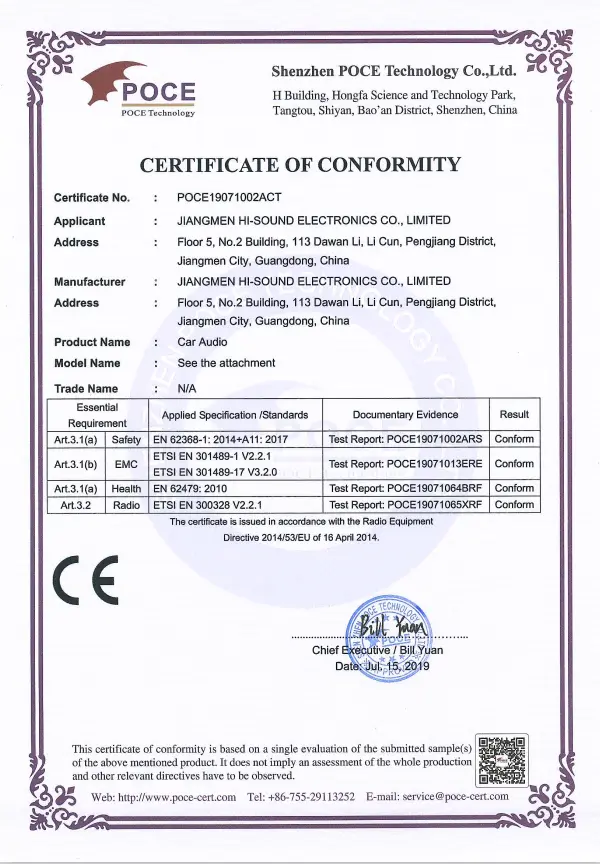
Selling or deploying commercial vehicles worldwide requires compliance with domestic safety regulations and technical frameworks. Systems must be certified according to regional targets:
The primary compliance framework for automotive electronics in Europe. It certifies that the unit's electromagnetic output does not interfere with critical driving control systems.
Ensures restriction of hazardous substances, ensuring components meet health, safety, and environmental protection standards in the European Economic Area.
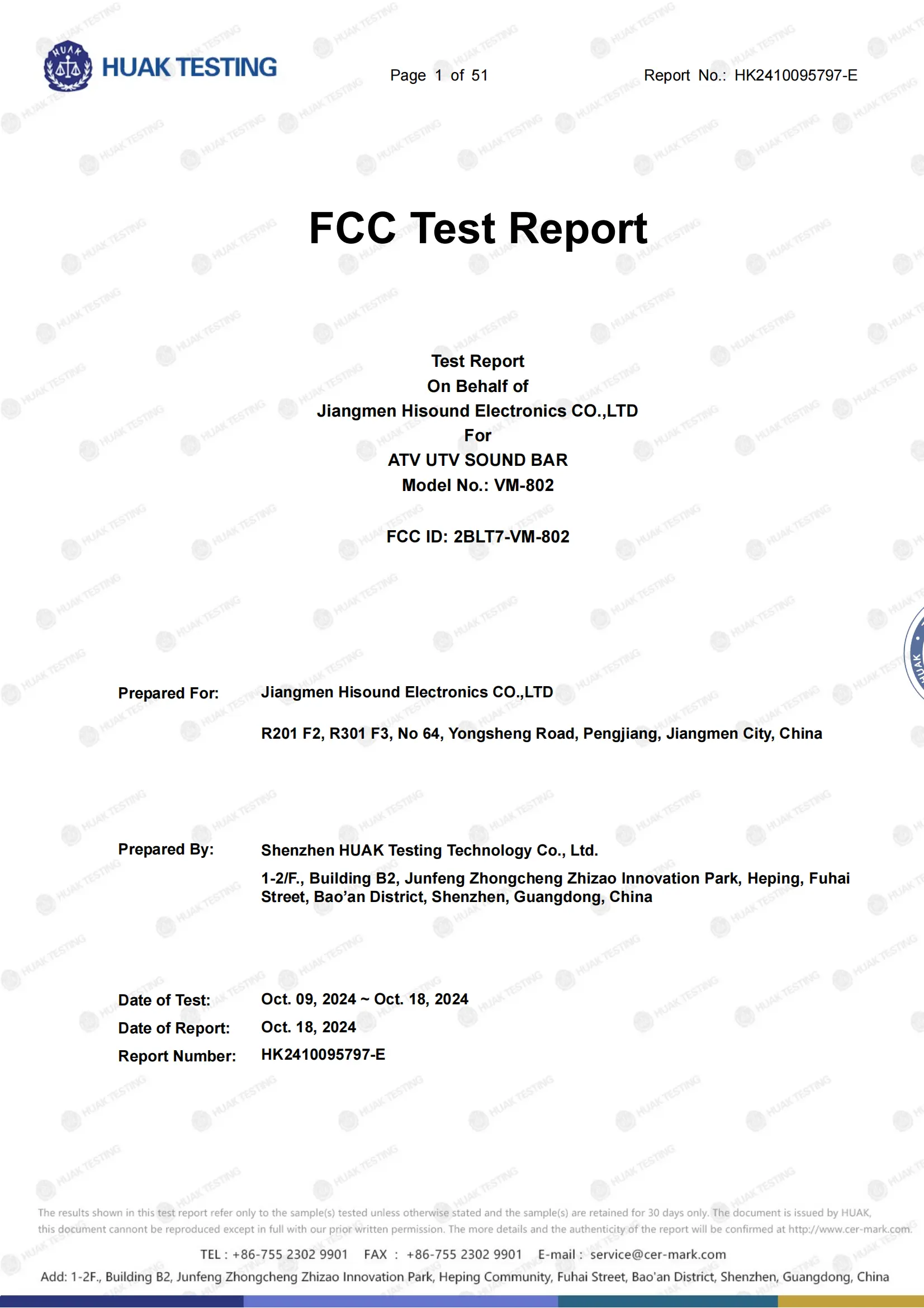
Crucial for US transit sales. Validates wireless protocols (Bluetooth, dual-band WiFi, and GPS receivers) inside commercial bus audio systems.
Under regulations like the Americans with Disabilities Act (ADA) in the United States, public passenger vehicles must deploy clear, standardized visual and audio stop-announcement equipment. System integration relies on clean CAN-bus data linking to automated announcement algorithms. This ensures visual readouts match speaker outputs without delay, enhancing safety and accessibility.
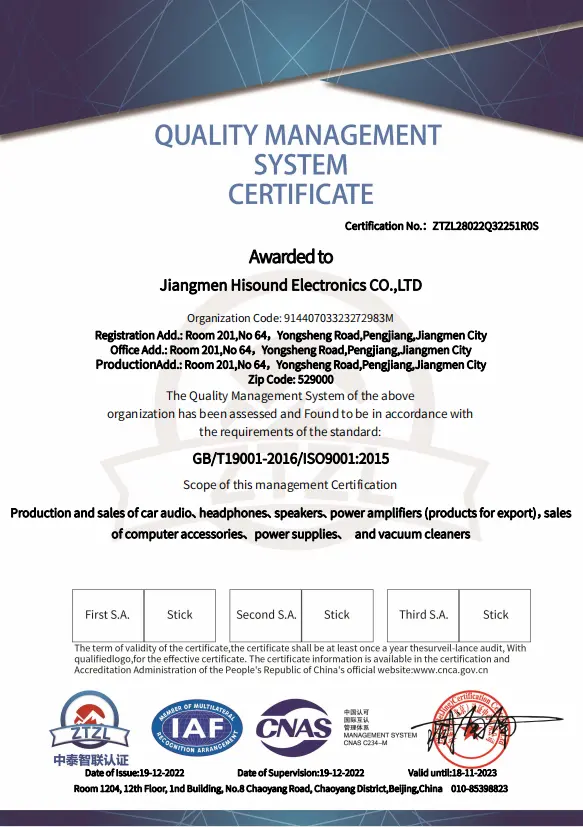

Modern transport vehicles serve distinct settings, requiring customized audio hardware layout configurations:
Requires robust public address systems, noise-canceling cabin microphones, and multi-channel speakers linked with navigation feeds. Systems deliver clear voice messages even during rush hours.
Requires multi-zone control systems. Passengers can listen to personal audio feeds via seats or wireless connections, while driver messages are localized to the front cabin.
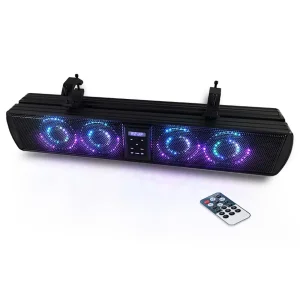
Requires dustproof, rain-resistant hardware (IP67/IP68). Open-air shuttles at resorts or parks need outdoor-rated sound bars with high-brightness screens visible in direct sunlight.
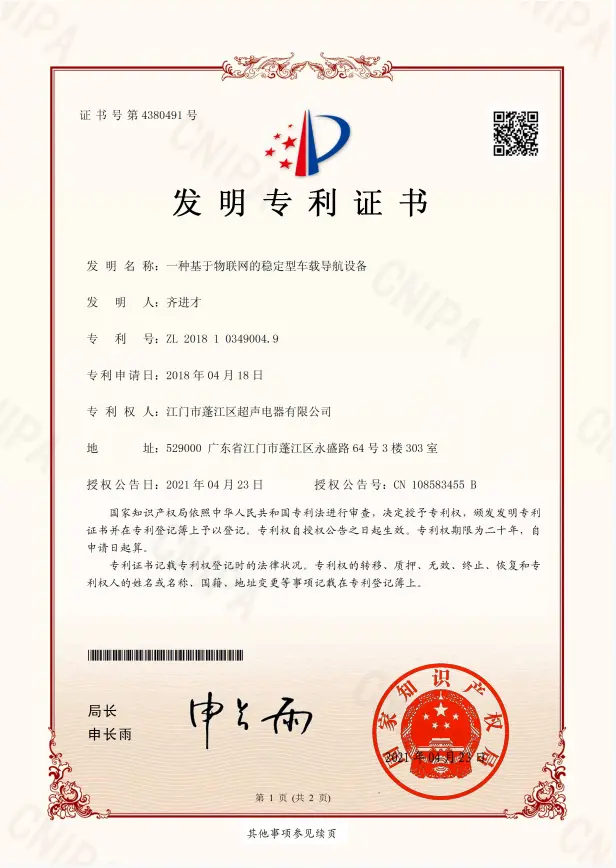
Founded in 1979, Hisound has 44 years of development experience. The REFINE Rui feng brand, established in 2004, delivers technical expertise in acoustic configuration, waterproofing, and durability for transport platforms worldwide.
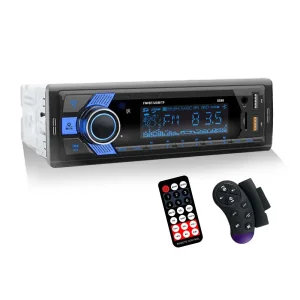

 Hisound carAudio