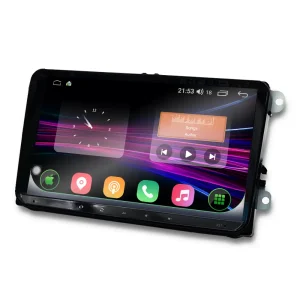
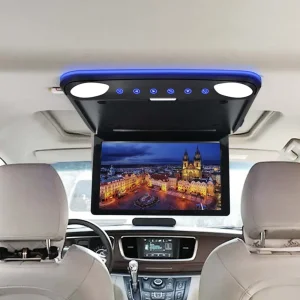
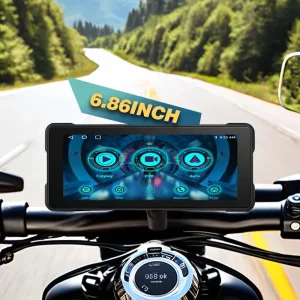
The modern golf cart has evolved far beyond its humble origins on the fairways. Today, low-speed vehicles (LSVs), neighborhood electric vehicles (NEVs), and utility terrain vehicles (UTVs) are highly integrated lifestyle transportation modes used in gated communities, expansive luxury resorts, municipal parks, and industrial campuses. As these vehicles transition from basic utilities to sophisticated commuter options, the demand for integrated smart infotainment systems has grown exponentially.
This whitepaper outlines the structural transition of off-road vehicle audio technologies. It focuses on how manufacturers in China are responding to global procurement standards through rigorous quality engineering, advanced hardware customization, and deep compliance structures. By utilizing advanced digital signal processors (DSP), waterproof multi-interface Android displays, and robust mechanical structures, manufacturers are shaping the future of off-road vehicle connectivity.
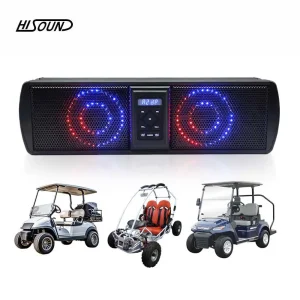
To meet the physical challenges of open-air off-road environments, golf cart stereos and entertainment screens require mechanical and electronic standards far higher than standard automotive dashboards. China's leading manufacturing facilities leverage comprehensive vertical integration to provide tailored hardware solutions.
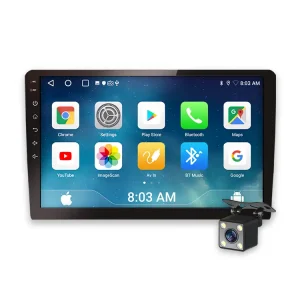
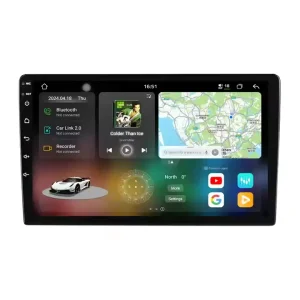
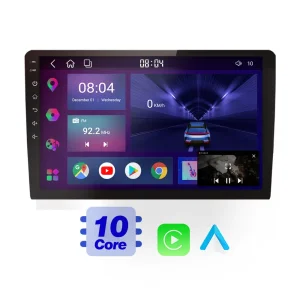
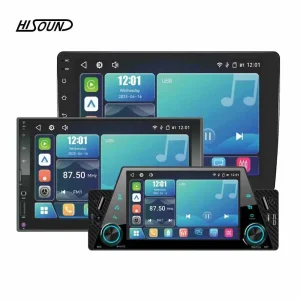
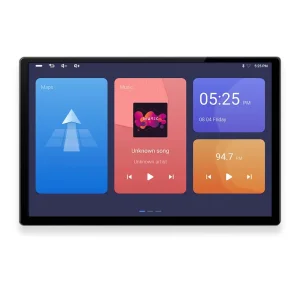
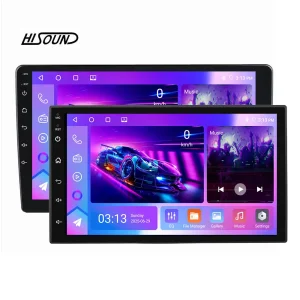
Optimize screen size, high resolution (1280x720 and above), optical bonding, high-brightness panels (up to 1000 nits), touch panel responsiveness, waterproof structure, and specialized mounting designs to match any off-road vehicle dashboard profile.
Customize system maps, navigation UI, voice guidance, precision route planning, and fleet tracking features specifically tailored for golf course management and closed-resort transit operations.
Custom-engineered mounting brackets, wiring harnesses, CAN-Bus integration, and physical interfaces designed specifically for golf carts, shuttle vehicles, and luxury resort fleets.
Private-label tooling, custom structural housing, boot screens, customized UI themes, and retail packaging with engineering design support from prototype phase to mass production.
The convergence of electric powertrains and consumer smart devices has driven massive changes in the off-road entertainment industry. Several key macroeconomic trends are reshaping how procurement directors source these systems:
For international distributors, golf cart fleet operators, and low-speed vehicle brands, choosing the right production partner is essential. High-mix, low-volume flexibility combined with high-volume scale ensures that custom projects can go from concept to market in record time.
A structured manufacturing process guarantees that custom electronics operate reliably under harsh off-road conditions. Below is the operational framework utilized to achieve consistent quality control:
During the Project Requirements stage, engineering parameters such as display size, navigation options, waterproofing grade, structural layout, and brand customization are established. The Solution Design phase converts these variables into schematic drawings, PCB layouts, and customized injection-mold structures. Next, Prototype Validation runs the units through extreme environmental stress testing. Finally, the system moves to Mass Production under ISO 9001 and IATF 16949 standards, backed by global technical support.
Quality control at premium Chinese factories relies on specialized testing machinery that subjects products to extreme stress. Because golf carts operate in diverse climates—from tropical beachside resorts with high salt and humidity to cold, wet northern courses—each hardware assembly must pass rigorous internal checks.
Using imported foam adhesives and high-pressure defoaming chambers, the display panel is perfectly sealed to the outer casing, providing robust IPX7 and IPX8 protection against heavy rain and power-washing.
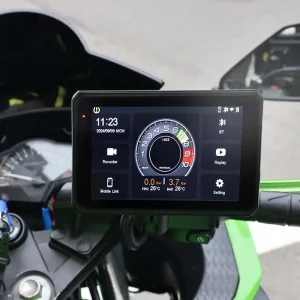
Patented quick-release mounting plates deter theft of external displays, while built-in dual-recording DVR systems offer safety and security without complex third-party wiring.
Displays feature high-brightness optical bonding and 2.5D tempered glass, ensuring readable GPS maps and UI screens under the brightest direct sunlight.
Products undergo full thermal aging, extreme low/high temperature operation, vertical vibration simulation, and high-pressure water spray tests before final packaging.
To maintain high yield rates and reliability, the manufacturing process incorporates multiple testing stages:
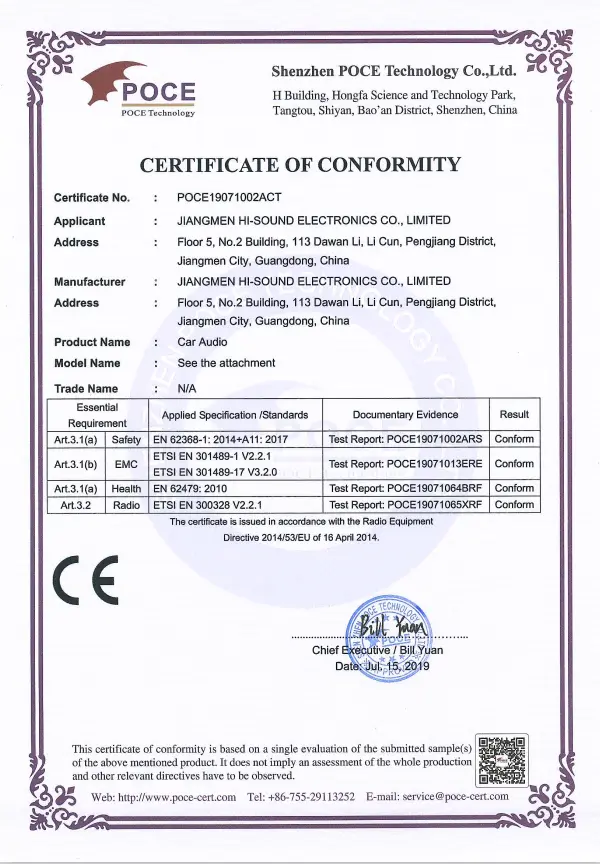
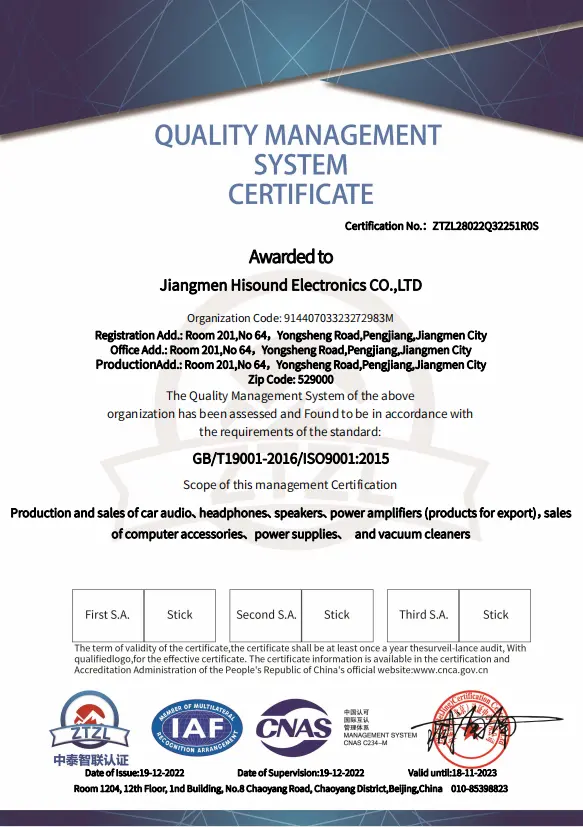
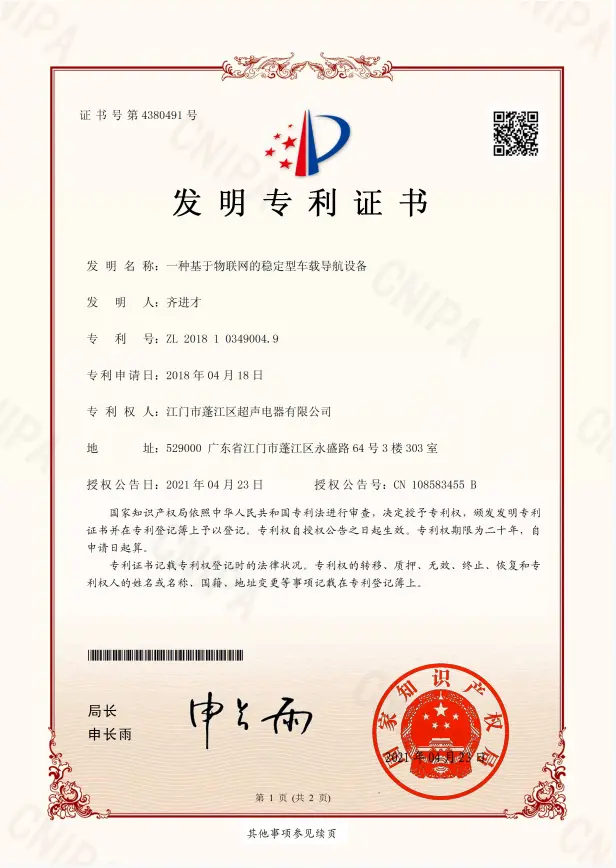
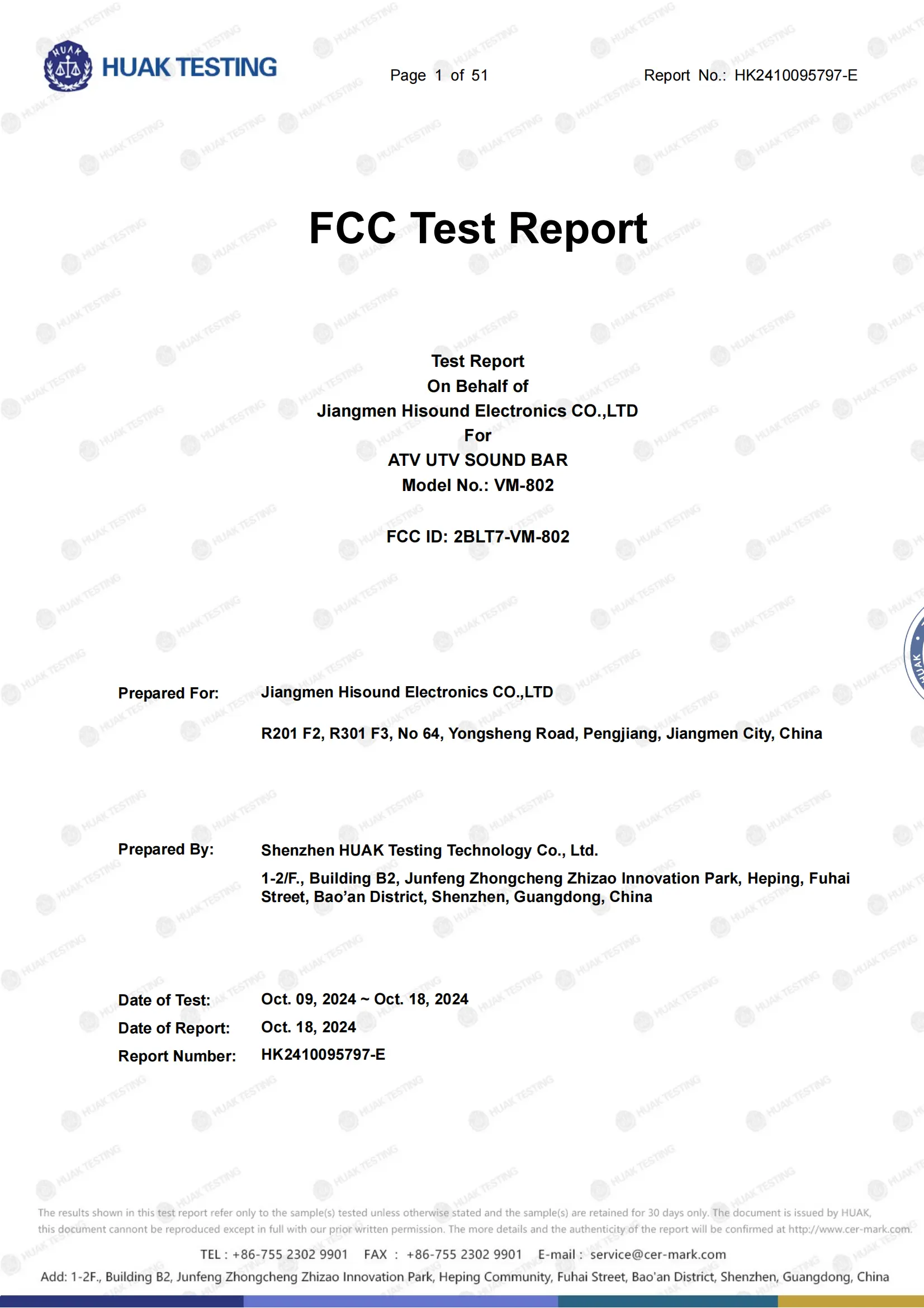
International sourcing demands compliance with regional safety, environmental, and radio standards. Leading factories verify product safety and reliability through international testing frameworks. By meeting CE, RoHS, FCC, and ISO guidelines, our products ensure hassle-free customs clearance and standard-compliant deployment.

As low-speed vehicles become smarter, the design of off-road audio and navigation units is shifting toward next-generation automotive electronics. Key developments planned for coming product lifecycles include:
Founded in 1979, Hisound has built over 44 years of expertise in research and development, global brand operations, and cross-border B2B electronic manufacturing. Officially establishing the REFINE Rui feng brand in 2004, the company has consistently focused on quality, innovation, and long-term customer relationships. Serving both growing distributors and global OEMs, Hisound provides competitive pricing, swift lead times, and certified electronic assemblies designed for durability.
Connect with our OEM Engineering Team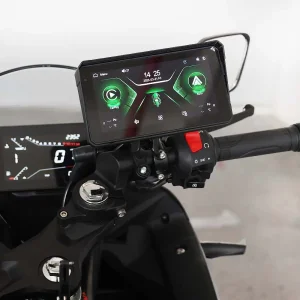
 Hisound carAudio