Hisound carAudio
Marine Audio Engineering & Manufacturing Whitepaper
Navigating Environmental Stressors, Industrial Standards, and Advanced OEM Integration
The global marine and powersports industry is experiencing a profound technological transformation. Consumers no longer accept basic radio configurations; they expect high-fidelity audio, seamless smartphone mirroring, robust navigation setups, and absolute device reliability under extreme conditions. For international procurement managers, marine system integrators, and distributors, selecting a competent manufacturing partner in China is critical to mitigating field failures and establishing brand equity. This whitepaper analyzes the engineering hurdles, material sciences, and manufacturing processes of IP67/IP68 certified marine acoustics.
1. The Reality of the Marine Environment: IP67 vs. Standard Equipment
Unlike standard automotive electronics, marine audio hardware operates in an environment characterized by corrosive salt atmosphere, intense solar radiation, moisture infiltration, and constant shock loads. IP67 certification indicates that a device is completely dust-tight and can survive temporary immersion in water up to 1 meter deep for 30 minutes. To survive this:
Material Selection
Utilizing high-grade UV-stabilized ASA/ABS plastics, gold-plated connectors, and Santoprene surrounds to resist saltwater decay.
Optical Lamination
Employing 2.5D full lamination to eliminate air gaps, preventing moisture condensation and ensuring high readability under direct sunlight.
Anti-Corrosive Barriers
Applying specialized conformal coatings (acrylic or polyurethane) on PCB modules to prevent humidity-induced short circuits.
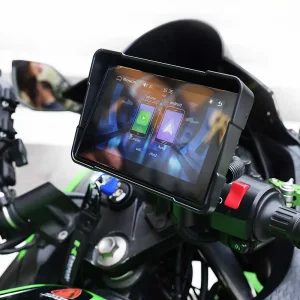
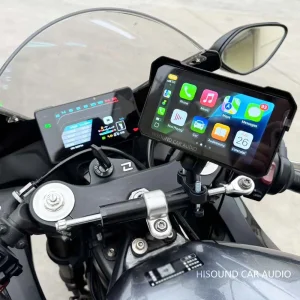
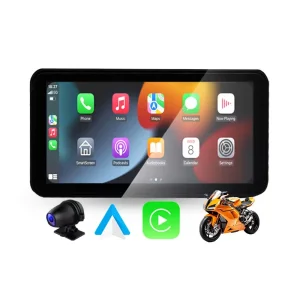
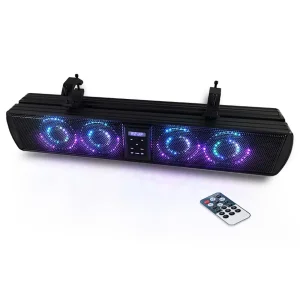
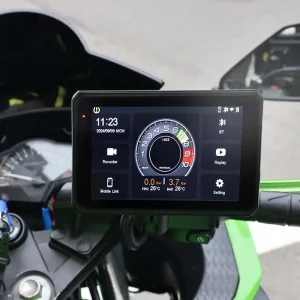
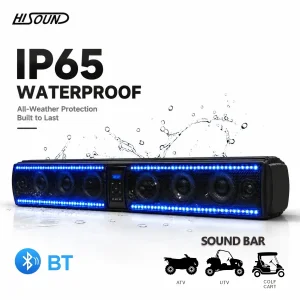
When specifying products like the 5-Inch Motorcycle GPS with IP68 Waterproofing or the 26-Inch Bluetooth ATV UTV Sound Bar, buyers must verify that the sealing process utilizes high-pressure defoaming and premium gaskets. Cheap silicone sealants fail over time due to thermal expansion, allowing micro-condensation that degrades electrical contacts.
2. Global Procurement Needs & Compliance Demands
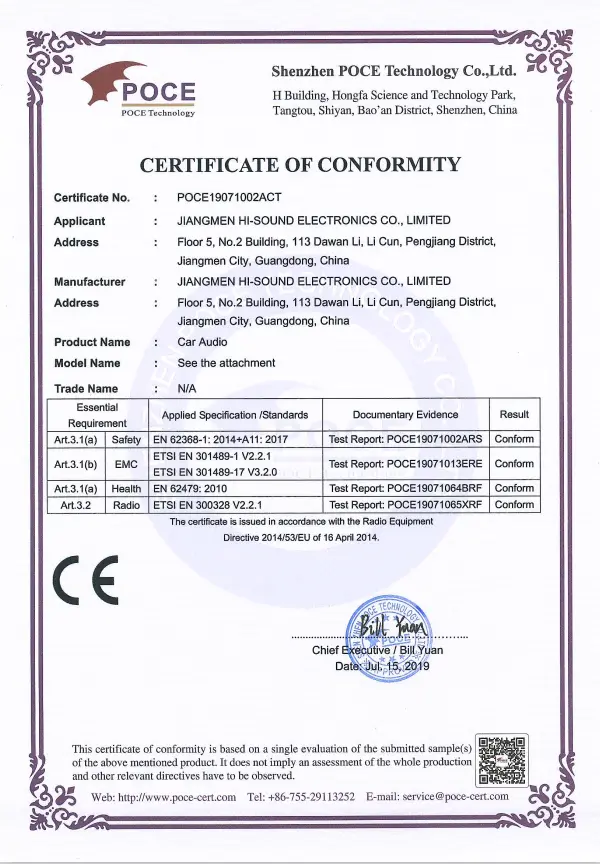
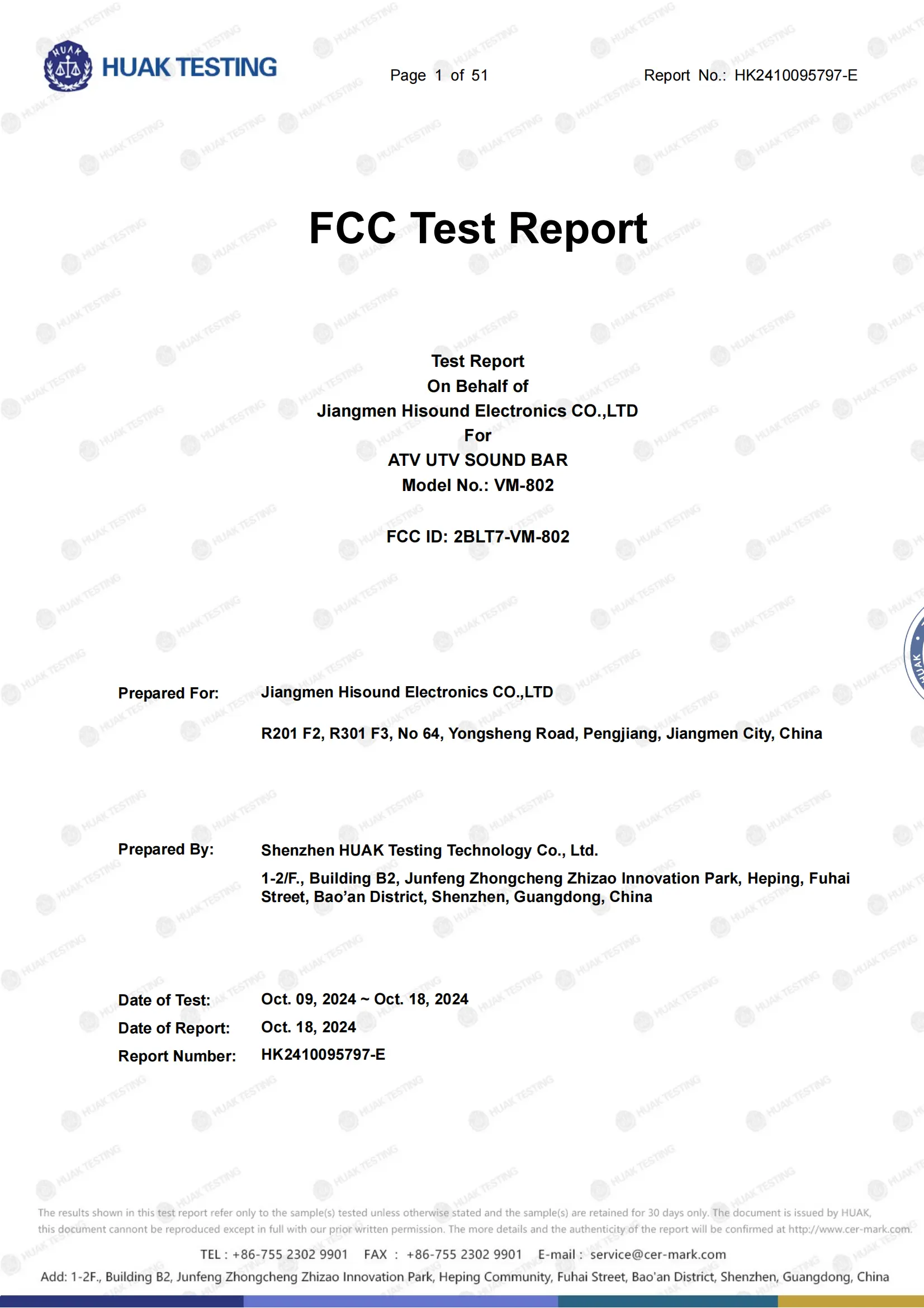
B2B buyers face strict compliance parameters depending on their regional markets. In the European Union, CE certification and RoHS compliance are mandatory. In North America, FCC Part 15 regulations govern wireless transmission components such as dual-band WiFi and Bluetooth interfaces. For marine vessel applications, ignition protection standards (ISO 8846) ensure that electrical components will not ignite fuel vapors.
Working with an established OEM/ODM factory like Hisound ensures these standards are integrated directly into the design phase. Our research team assists in compiling compliance folders, ensuring that all components (from LCD drivers to power cables) meet international safety guidelines.
3. Macro Industry Solutions: Beyond Standard Audio
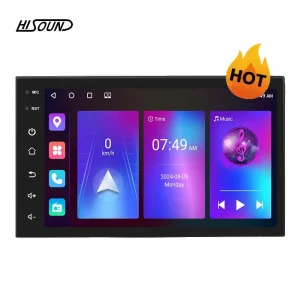
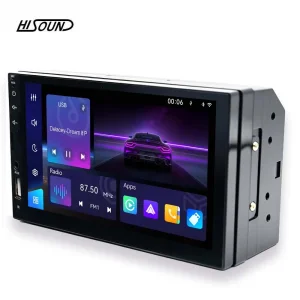
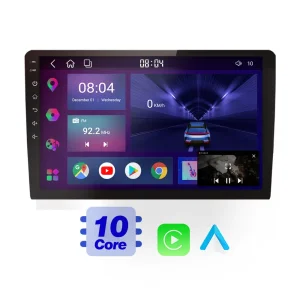
Contemporary marine audio systems must interface seamlessly with broader vessel ecosystems. A key trend is integration with the boat's primary Multi-Function Display (MFD) via standard protocols like NMEA 2000 or specialized Bluetooth audio streaming profiles. This allows users to adjust sound settings, track GPS navigation, and monitor engine vitals from a single touchscreen console.
Moreover, off-road applications (such as Golf Carts, UTVs, and resort shuttle vehicles) require custom bracket systems that can absorb high-frequency vibrations. Our engineering team develops structural mounts that survive ASTM-D4728 random vibration tests, guaranteeing that soundbars and head units remain securely mounted during high-speed trail rides or rough sea passages.