Premium OEM solutions engineered for off-road, motorcycle, golf cart, and passenger vehicle installations.
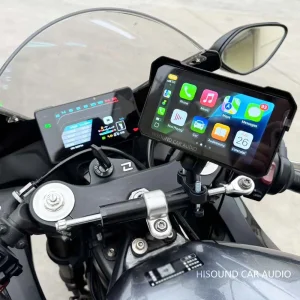
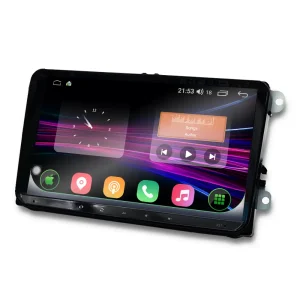
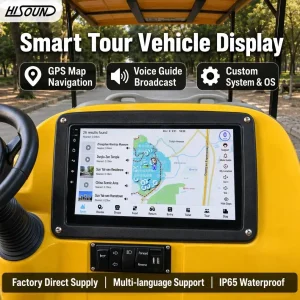
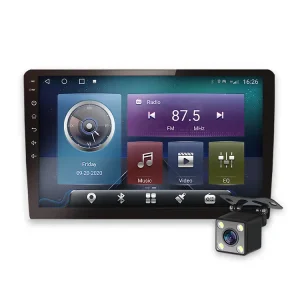
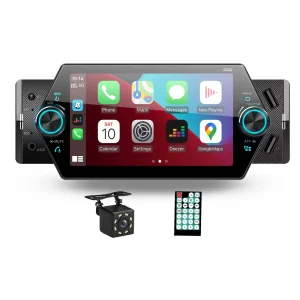
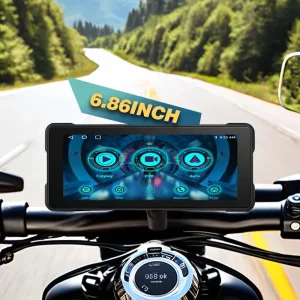
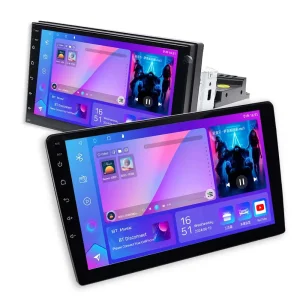
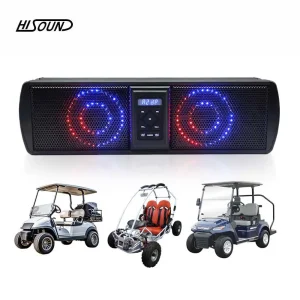
The automotive electronics industry has witnessed a paradigm shift driven by digital integration, smart infotainment configurations, and ruggedized system engineering. As global markets transition toward Software-Defined Vehicles (SDVs), the reliance on specialized tier-1 and tier-2 manufacturers in China has intensified. China’s supply ecosystem stands at the epicentre of this evolution, delivering unmatched vertical integration from basic surface-mount technologies (SMT) to complete system-on-chip (SoC) customization.
For enterprise procurement agencies, fleet managers, and international brands, identifying a car electronics manufacturer that excels in hardware stability, compliance, and IP-rated reliability is paramount. This industry white paper analyzes the core competencies of Chinese suppliers, highlights key technical considerations for off-road and on-road applications, and presents the strategic advantages of partnerships with industry leaders like Hisound (Rui Feng brand), drawing on a legacy of manufacturing excellence established in 1979.
The manufacturing superiority of Chinese automotive electronics factories is not merely defined by cost efficiency, but by structural, technological, and logistical competencies:
Utilizing high-pressure defoaming chambers and imported structural foam adhesives, top factories implement advanced bonding between the LCD panels and exterior housings to achieve IPX5 to IPX8 waterproof ratings.
Implementing surface-mount technology (SMT) lines certified with IATF 16949 standards ensures that vehicular PCBA boards withstand continuous vibrations and high thermal stress during operation.
Through systematic stress-testing, factories execute high and low temperature tests, motorcycle screen closure operations, intense vibration simulations, and aging protocols to guarantee reliable operation.
Chinese supply chains also lead the way in tooling customization. Companies looking for high-quality private models can secure proprietary molds, custom bezel designs, and personalized UI systems. This flexibility prevents market saturation and allows brands to demand premium pricing in their local markets.
Modern vehicular infotainment systems have transitioned from passive screens into intelligent, connected cockpits. Key trends transforming the landscape include:
A professional automotive electronics manufacturer employs strict project pipelines to manage risk and maintain quality. Below is the operational flowchart followed by leading suppliers like Hisound:
Defining vehicle installation environment, structural mounting requirements, display specification, and connectivity protocols.
Hardware layout engineering, software driver adaptation (e.g. customized UI, CANbus protocol mapping), and tooling drawing formulation.
Subjecting early-stage samples to Moto Screen Waterproof tests, thermal shock chambers, and electrical current stability runs.
Automated SMT processes, laser logo engraving, manual quality checkpoints, and prolonged aging tests under load.
Industrial vehicular infotainment solutions must be customized for their specific operating environments:
Requires weatherproofing, glove-compatible capacitive touch panels, high-vibration resistance, and isolated power management circuits to prevent damage from vehicle voltage fluctuations.
Requires integrated 4G telematics, real-time GPS tracking, lightweight chassis designs, and compatibility with vehicle speed limiting controls.
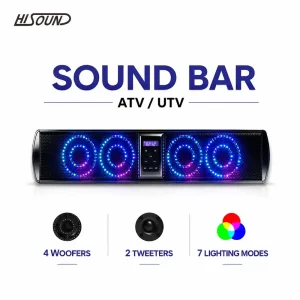
Demands heavy-duty chassis designs, rust-resistant mounting brackets, rugged waterproofing features, and high-decibel coaxial sound output with active heat dissipation.
To ensure complete compatibility with global vehicles, our software integration supports extensive CANbus protocols, covering over 100 passenger vehicle models. This allows for plug-and-play installations that retain factory steering wheel controls, climate indicators, and radar sensors.
Operational environments and high-precision testing machinery used to validate vehicular components.
Ensuring structural preservation of sensitive materials during transit.
Evaluating operational tolerance from -20°C to over 70°C.
Testing physical durability and component longevity.
Verifying IPX5 and IPX8 ratings through continuous immersion.
Expert answers addressing the technical, logistical, and customization requirements of wholesale buyers.
Each motorcycle screen is subjected to a battery of tests including high and low temperature tests, vibration simulation tests, closure cycles, waterproof testing (IPX5/IPX8), and continuous electric load aging. This ensures they can withstand extreme temperatures, prolonged engine vibration, and rainy conditions.
2.5D full lamination removes the air gap between the display panel and touch glass. This reduces internal reflections, prevents dust ingress, and ensures maximum legibility and display clarity, even in direct sunlight.
Yes. Our systems are compatible with customizable CANbus modules that translate factory communications. This enables plug-and-play integration for steering wheel buttons, dual-zone climate systems, parking radars, and backup camera displays.
We offer hardware customizations (including customized screen size, resolution, and mounting options), software customizations (including logo splash screens, UI colors, and pre-installed navigation systems), and customized branding/packaging.
Our manufacturing processes and final components comply with international standards, holding CE, FCC, RoHS, ISO 9001, and IPX8 certifications to ensure compliance for different target markets.
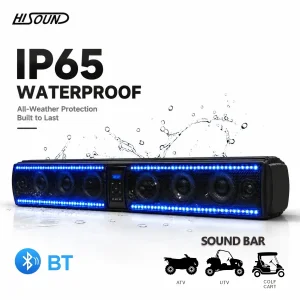
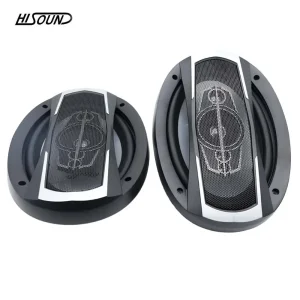
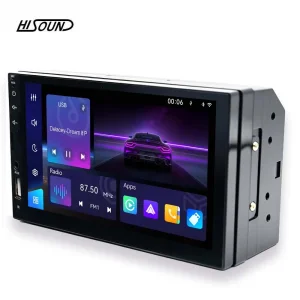
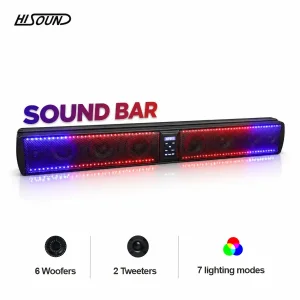
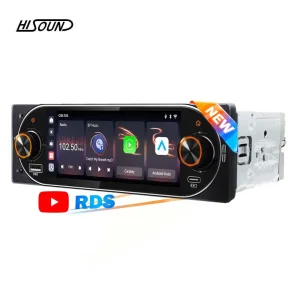
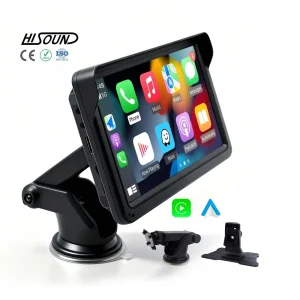
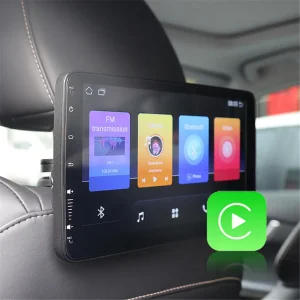
Explore our complete catalog of audio components, marine soundbars, and high-performance head units.
 Hisound carAudio