Explore our flagship configurations featuring wireless integration, intelligent systems, and custom audio decoders designed for global automotive markets.
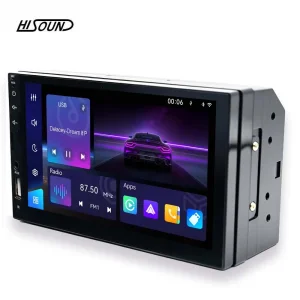
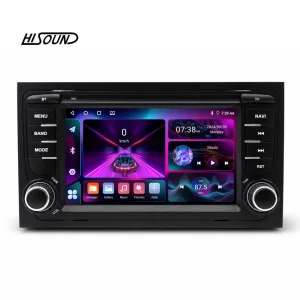
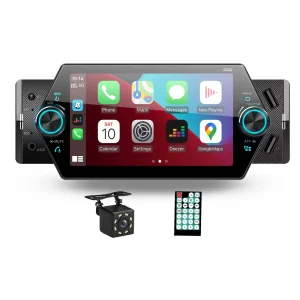
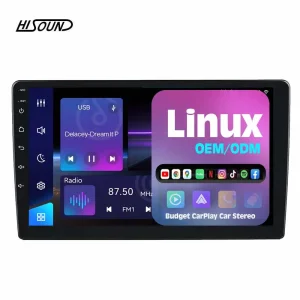
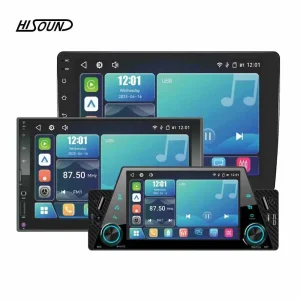
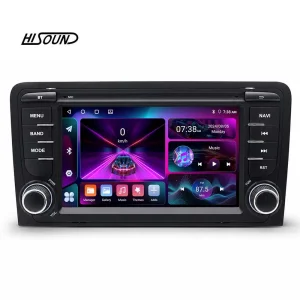
An authoritative breakdown of audio path routing, signal integrity, and digital bus integration in commercial dashboard ecosystems.
In the modern automotive infotainment landscape, the term "AUX" (Auxiliary) has transcended the traditional 3.5mm analog TRS connector. Today, a custom AUX car stereo system represents a hybrid matrix capable of routing diverse audio-visual inputs—ranging from legacy analog lines, optical inputs (MOST bus), to high-speed digital USB, Bluetooth, and wireless transceivers—directly into localized digital signal processors (DSP). Global enterprises seeking custom integrations require high input-impedance matching (typically >10k Ohms) and differential ground-loop isolation systems to prevent electromagnetic interference (EMI) originating from the vehicle's alternator and CAN bus systems.
By leveraging custom Linux and Android kernels, modern head units convert physical analog AUX signals into I2S or TDM channels. This allows real-time digital filtering, equalizing, and phase correction before routing the output to internal high-fidelity amplifiers (e.g., Class-D TDA or STMicroelectronics automotive-grade chipsets).
Adapting hardware architectures to specialized vehicular fleets requires a modular engineering framework. Below are the core customization branches engineered to address the specific performance thresholds demanded by global markets:
Customize capacitive display sizes (from 5-inch compact systems to 13-inch floating structures), IPS panel resolutions, optical bonding, high-brightness backlights (up to 1000 nits for outdoor readability), ruggedized waterproof housings, and vibration-proof mounting brackets.
Tailor maps, navigation UIs, off-line voice guidance, localized GPS/BeiDou/GLONASS multi-constellation GNSS receivers, geo-fencing route planning, and comprehensive vehicle telematics management for diverse operational environments.
Engineered integration systems featuring custom wiring harnesses, CAN bus decoders for factory steering wheel controls, OBD-II telemetry readouts, specialized brackets for industrial vehicles, golf carts, agricultural machinery, and powersports vehicles.
Comprehensive private-label solutions comprising customized boot animations, hardware silk-screening, custom UI color palettes, customized retail/wholesale packaging, and dedicated engineering support from early prototyping to volume manufacturing.
The manufacturing cluster in Guangdong, China, constitutes the world's most dense ecosystem for automotive electronics. This localization of component suppliers offers unparalleled economic and engineering advantages for global enterprises seeking custom AUX car stereo integrations:
We address complex operational challenges for distributors and fleet managers worldwide. By combining analog auxiliary interfaces with modern CAN-bus architectures and digital transceivers, we deliver solutions that optimize vehicle performance and user experiences:
High-brightness, anti-vibration screen panels equipped with IP65 water resistance and high-gain external GPS antennas for tracking in extreme terrains.
Multi-zone audio routing allowing drivers to receive navigation instructions via a local headset while passengers enjoy multimedia via analog AUX lines routed to localized overhead speakers.
Our four-stage product deployment cycle guarantees functional validation, electromagnetic compliance, and robust structural integrity before leaving the factory.
Identify vehicle chassis, environmental factors, waterproof limits, and custom UI options.
PCB layout routing, thermal modeling, bracket mechanical layout, and firmware customization.
Milling prototype enclosures, testing EMI thresholds, vibration resistance, and thermal performance.
Automated manufacturing, multi-point QC testing, international compliance documentation, and lifecycle support.
Our test protocols ensure each system maintains high reliability under volatile thermal and physical conditions.
Systems are stored in high and low temperature chambers (-30°C to +85°C) to test plastic deformation, LCD fluid freeze, and board trace contraction. A Constant Temperature Shrink Packaging process protects units from transit humidity.
Using multidirectional vibration simulation fixtures, we ensure mountings, ribbon connectors, and solder joints withstand continuous gravel and off-road driving stresses without fatigue.
Our Moto Screen Waterproof Test Machine checks screens via high-pressure submersion and spray nozzles. Special imported foam adhesives and defoaming steps secure a reliable screen-to-chassis seal.
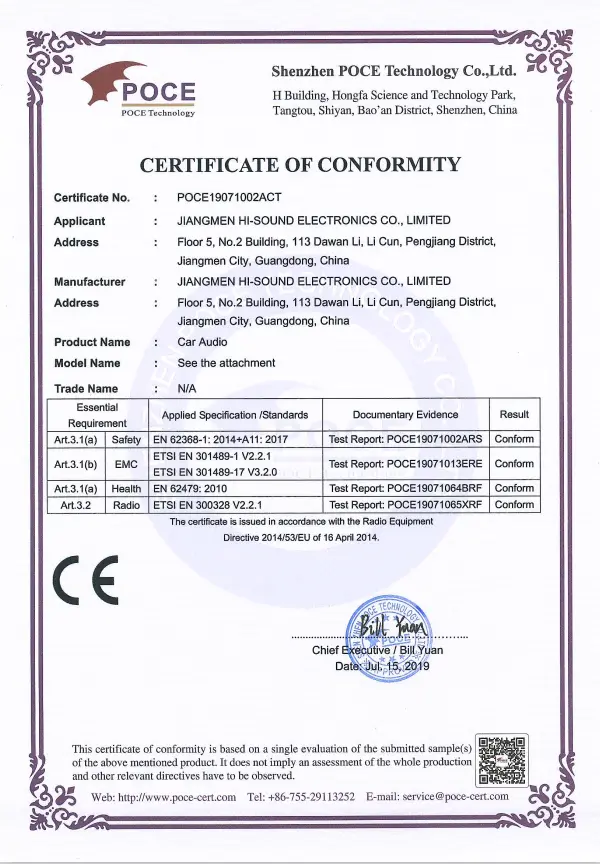
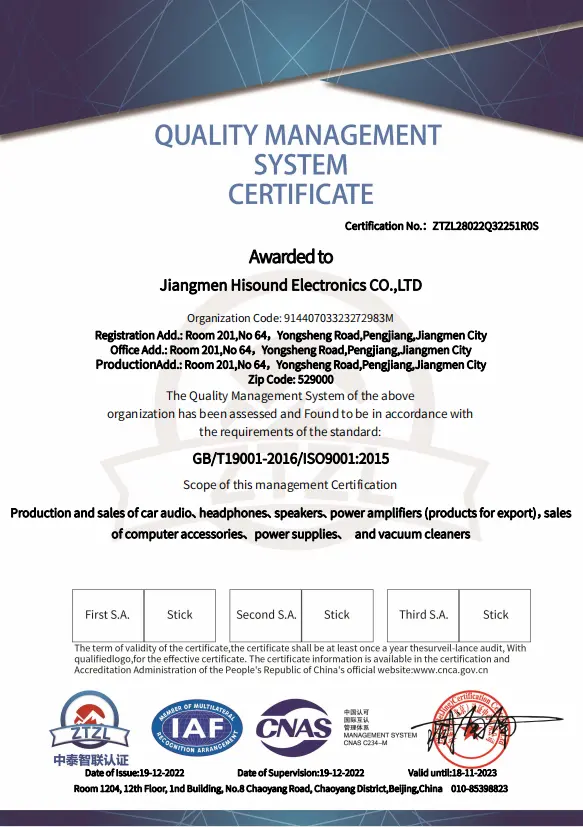
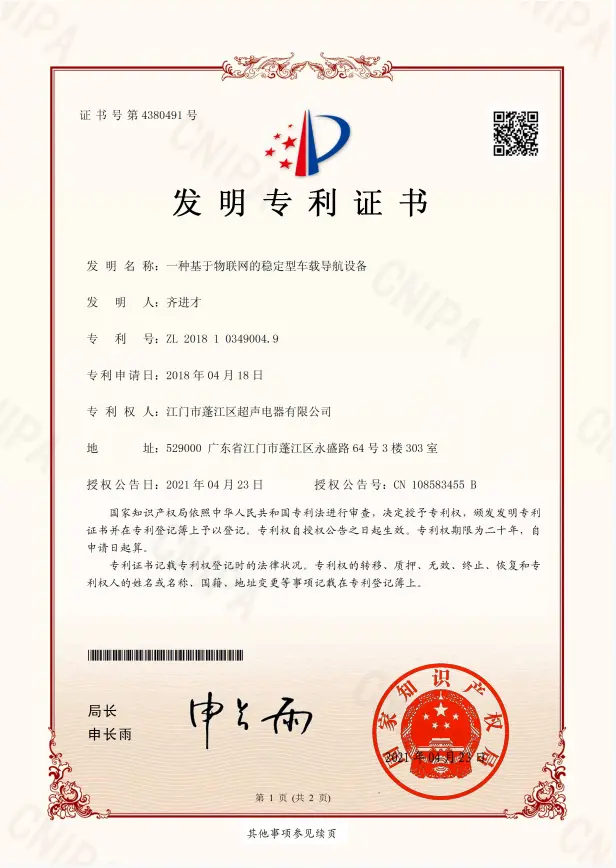
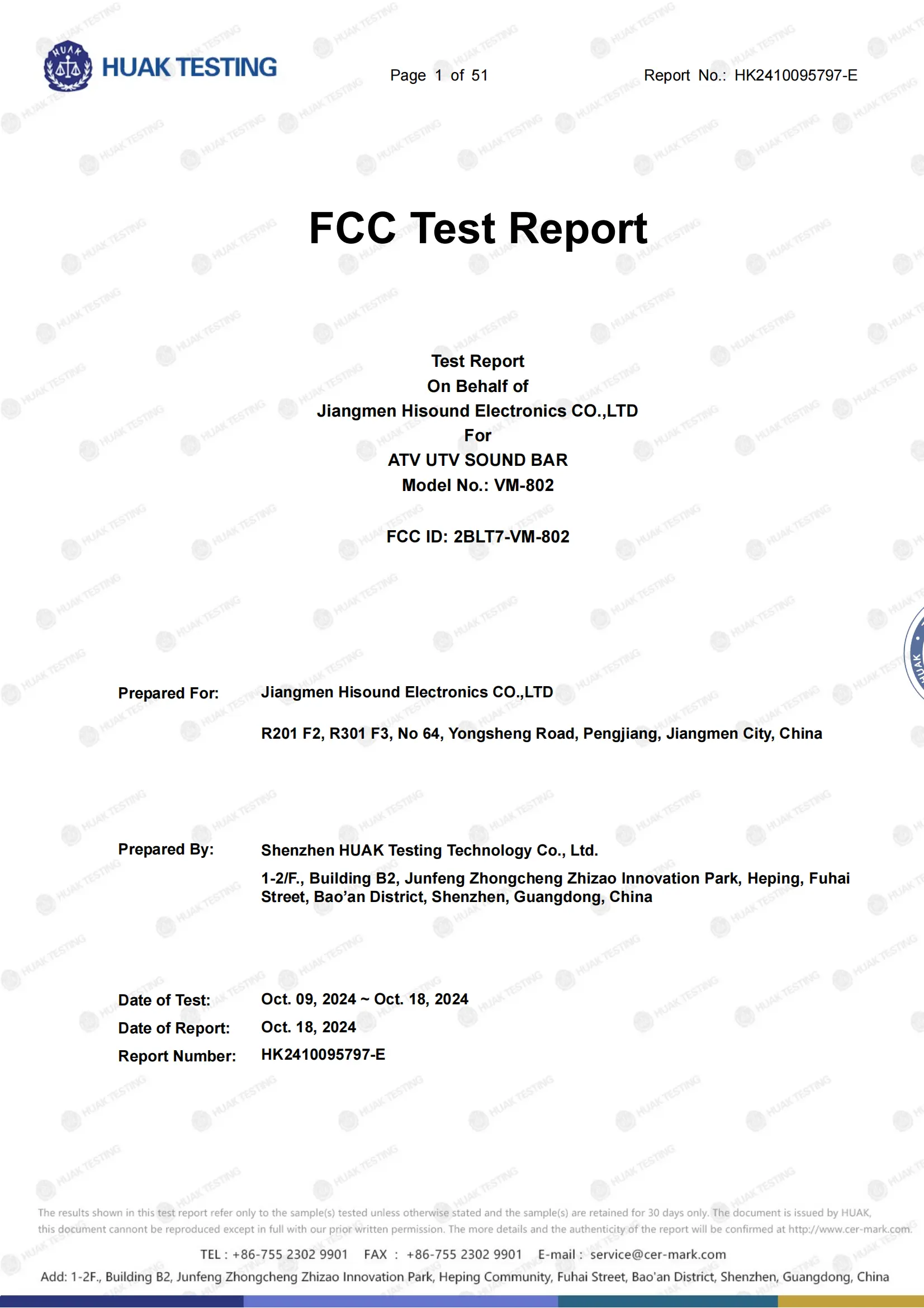
Our manufacturing and testing facilities adhere to globally recognized quality systems, ensuring our stereos meet strict regulatory standards for international customs clearance and retail distribution.

As modern vehicle systems become increasingly complex, integrating aftermarket or custom head units into proprietary vehicle dash configurations is a common point of failure. These integration failures typically stem from two key areas: audio signal impedance mismatch and parasitic power drain.
When connecting via legacy auxiliary lines or designing custom sound interfaces, an impedance mismatch between the vehicle's pre-existing audio source and the stereo receiver can result in audible static noise or reduced volume. Our engineered systems prevent this by incorporating adjustable input sensitivity matrix decoders that allow installation technicians to balance the preamp signals. Additionally, we integrate low-dropout (LDO) voltage regulators that protect the internal chipsets from high-voltage spikes, which are common in diesel vehicles or machines during startup.
Furthermore, parasitic current drain is a persistent issue for custom fleet integrations, especially in vehicles left idle for long periods, like RVs or seasonal machinery. Standard setups can continuously pull power to maintain system memory. Our engineers resolve this by designing a zero-current standby mode. When the vehicle ignition is turned off, the head unit transitions to a deep-sleep cycle drawing less than 3mA, preserving battery charge over extended periods.
Founded in 1979 and backed by 44 years of development, Hisound has established itself as a leading name in high-end vehicle entertainment engineering and supply chain solutions. Under our flagship brand, REFINE Rui feng (formally established in 2004), we have grown from a local component manufacturer into a globally integrated platform offering R&D, brand operations, and export logistics.
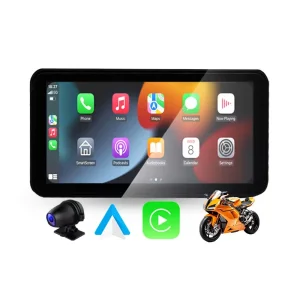
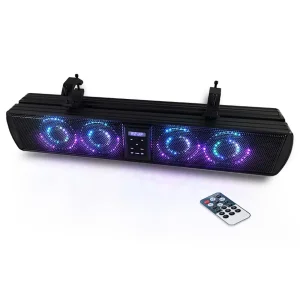
We work closely with global distributors and retail networks to supply reliable motorcycle navigation screens, heavy-duty marine stereos, off-road audio soundbars, and custom car receivers. At Hi-Sound, we focus on growing with our partners by building long-term, trustworthy relationships based on integrity, reliable engineering, and shared success.
Whether you are a local shop owner, an online retailer, or an OEM vehicle assembler, we support your business with competitive pricing, low minimum order quantities, and reliable technical support.
Addressing the technical, logistics, and certification questions raised by procurement managers and engineers.
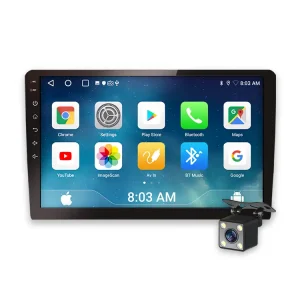
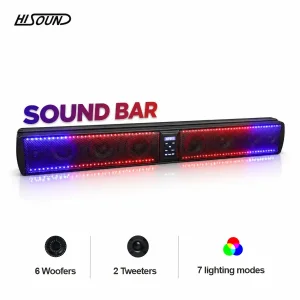
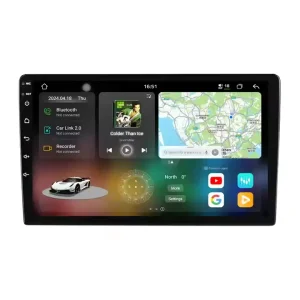
Explore our selection of specialized systems, designed for waterproof motorcycle setups, rugged ATVs, off-road soundbars, and high-performance floating displays.

 Hisound carAudio