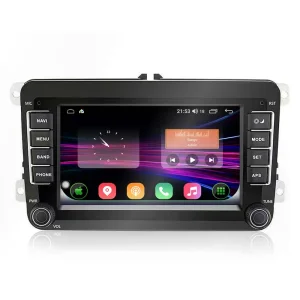
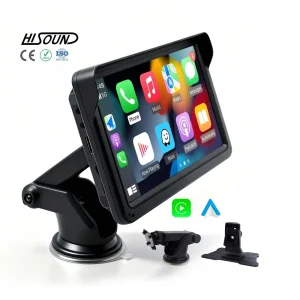
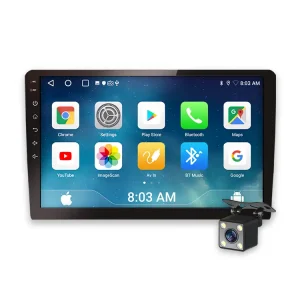
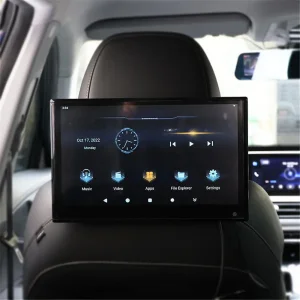
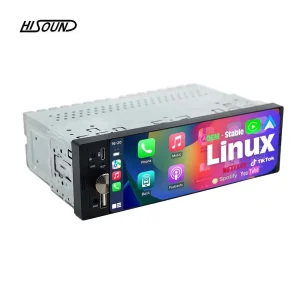
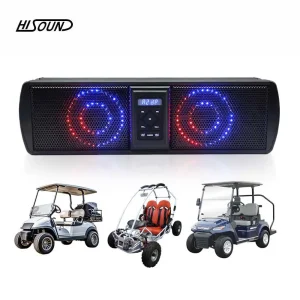
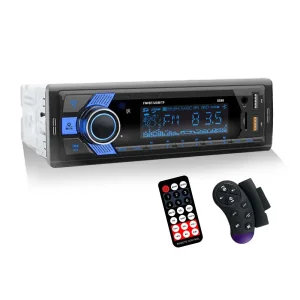
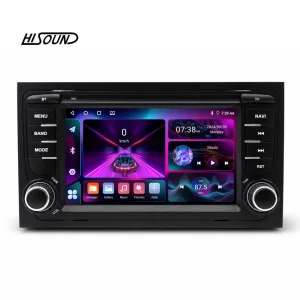
The global demand for ruggedized smart dashboard consoles has undergone an exponential surge, fueled primarily by the rapid micro-mobility transition and the universal adoption of smartphone integration ecosystems such as Apple CarPlay and Android Auto. Historically, outdoor utility vehicles, motorcycles, and specialized off-road units relied on standalone GNSS navigation terminals that suffered from high latency, complex map update procedures, and poor touch responsiveness under extreme weather conditions.
Today, original equipment manufacturers (OEMs) and tier-1 fleet suppliers are actively pivoting toward rugged, optically bonded display architectures that serve as simple, wireless extensions of the operator’s mobile phone. By outsourcing computing processes to the smartphone, these interfaces run with minimal thermal stress on the dashboard unit itself, ensuring a longer product lifecycle and mitigating hardware obsolescence. The transition toward Linux-based and lightweight Android RTOS engines has reduced cold boot times to less than 4 seconds, establishing a new standard for operator UX.
Crucially, the implementation of IPX8 hermetic sealing and high-brightness capacitive displays (exceeding 1000 nits) has resolved the long-standing challenges of water intrusion, dust accumulation, and sunlight readability. This integration is no longer a luxury premium; it is rapidly becoming standard equipment for modern industrial UTVs, agricultural vehicles, resort shuttles, and powersports equipment worldwide.
Nits Peak Brightness
Waterproof Rating
Operating Temp Range
Cold Boot Speed
Customize screen size (5" to 13.3"), resolution, optical stack bonding, touch panel sensitivity for gloved use, waterproof chassis architecture, and direct-mount systems tailored for rugged power setups.
Deploy specialized custom map engines, localized navigation interfaces, dual Bluetooth protocols for headset syncing, route caching algorithms, and integrated CAN-bus vehicle telemetry engines.
Receive pre-configured brackets, vibration-damping mount systems, heavy-duty wiring harnesses, and step-down converters for golf carts, resort shuttles, ATVs, and off-road industrial machinery.
Get complete private-labeling of exterior housings, tailored boot logo animations, customized software UI layouts, protective retail packaging, and direct ongoing global engineering support.
When selecting a manufacturing partner for ruggedized Android Auto displays, supply chain integration and raw material proximity are critical to containing engineering costs. China’s primary electronics clusters in Shenzhen, Dongguan, and Guangzhou represent over 85% of the world’s screen technology, tooling capabilities, and high-frequency SMT surface mounting facilities.
By positioning manufacturing in the Pearl River Delta, factories can source raw components—including active-matrix LCD screens, capacitive touch glass, custom PCB controllers, and high-grade silicone sealing gaskets—within a 50-mile radius. This dramatic concentration speeds up the prototype development cycle and ensures rapid transition from initial CAD modeling to high-volume injection molding production runs.
Outdoor motorcycle and UTV displays are highly susceptible to internal condensation caused by temperature drops. Top-tier Chinese OEM suppliers utilize specialized class 10,000 dust-free cleanrooms and high-grade LOCA (Liquid Optically Clear Adhesive) systems. This technique completely eliminates the air gap between the display panel and the cover glass, resolving reflections, improving clarity in direct sunlight, and providing physical structural support to withstand intense road vibrations.
For international buyers looking to target niche markets (like customized golf cart accessories or specialized agricultural hardware), purchasing costly private molds is a massive financial risk. Chinese ODM manufacturers offer a hybrid solution: modifying standard shell designs or creating rapid modular tooling adjustments at a fraction of Western tooling costs. This agility allows small-to-medium enterprises (SMEs) to bring competitive, customized goods to market quickly.
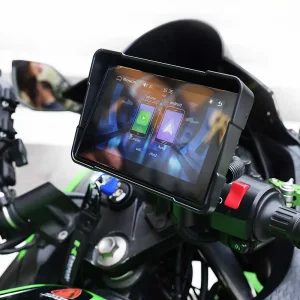
Providing riders with vibration-resistant, glove-friendly navigation options. Integrated dual-module Bluetooth allows the screen to retrieve real-time mobile maps while routing system audio straight to the rider's helmet intercom.
Providing fleet operators with robust, high-visibility dashboards. Enables cloud-synced resort mapping, custom advertisement systems on the screen, and centralized tracking for vehicle maintenance schedules.
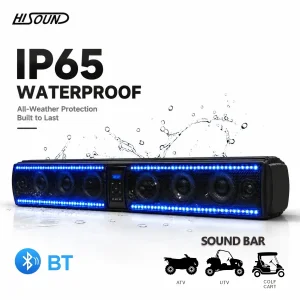
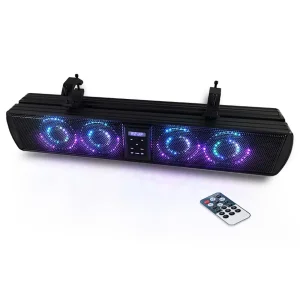
Chassis designed to survive heavy dust, deep mud, and stream crossings. Systems integrate directly with off-road soundbars, offering simple media controls and backup camera assistance in off-road environments.
A reliable product is only built through strict verification standards. Below is the structure of our specialized laboratory tests, ensuring that every product batch meets international certifications (CE, FCC, RoHS, IPX8).
Simulating heavy storms, high-pressure washing jets, and complete immersion levels. Units must pass continuous operational tests at water depths exceeding 1.5 meters for 2 hours to confirm IPX8 housing integrity.
Testing durability under extreme heat and thermal shocks (-30°C to +80°C). This ensures that displays will not suffer from bubbling, delamination, or screen freeze when parked under direct sunlight in desert regions.
Multi-axis vibration tables simulate rugged off-road paths and long-term motorcycle travel. Tests verify that physical solder joints, structural mounts, and internal connectors remain intact through years of service.
Our sealing processes utilize imported foam adhesives combined with high-pressure defoaming chambers. This produces a reliable water-tight seal between the display glass and chassis, preventing degradation over time.
Featuring a patented quick-release mount bracket system, allowing riders to detach the display screen when parked. Integrated DVR cameras record riding metrics directly to local storage, cutting down on wiring clutter.
Utilizing high-lumen backlight modules and 2.5D arc laminated screen panels, our displays boast excellent glare-reduction values and clear graphics, even when viewed in harsh sunlight conditions.
Every design goes through mechanical stress tests. Our systems comply with CE, FCC, RoHS, and ISO standards, ensuring international safety, electrical compatibility, and environmental compliance.
 Hisound carAudio