Explore our premium product portfolio designed for rugged outdoor vehicles, golf carts, and specialty mobility platforms.
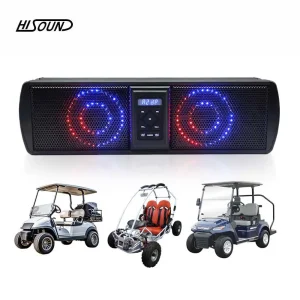
The global golf cart and neighborhood electric vehicle (NEV) market is undergoing an unprecedented evolution. Historically considered simple utility transports confined to local golf courses, modern golf carts have integrated deep into urban master-planned communities, high-end commercial resorts, eco-tourism projects, and industrial complexes. This structural shift has changed user expectations regarding vehicle infotainment, transforming basic radio setups into demand for high-end, weather-proof, smart-connected golf cart stereo systems.
For B2B procurement managers, fleet distributors, and automotive OEMs, sourcing reliable audio solutions is no longer just about volume. It requires strict adherence to outdoor architectural testing, marine-grade corrosion resistance, low power draw, and intelligent smartphone integration like wireless CarPlay, Android Auto, and 4G telematics. To remain competitive, buyers must partner with manufacturers that possess deep hardware design controls, software customizability, and robust quality management systems.
To capture market share in 2025 and beyond, brands must understand the underlying technical forces modifying user behaviors and device designs. Our R&D center identifies three main vectors transforming this sector:
Unlike standard enclosed passenger cars, golf carts operate in open-air environments. Ambient wind, road friction, and electric motor hum present unique audio design challenges. High-efficiency Class-D digital amplifiers, combined with active Digital Signal Processing (DSP), are essential to provide clear sound imaging and high sound pressure levels (SPL) without battery drain.
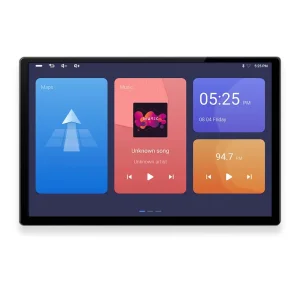
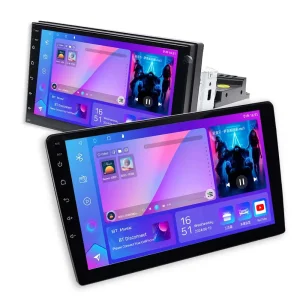
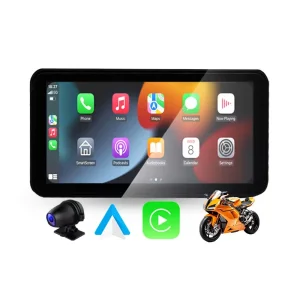
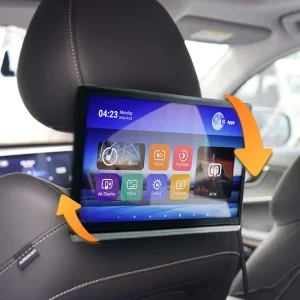
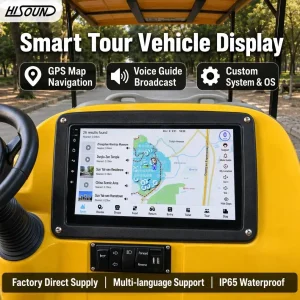
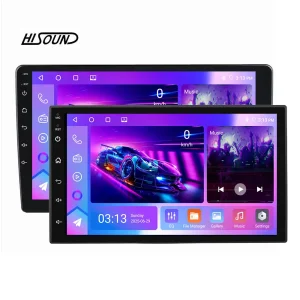
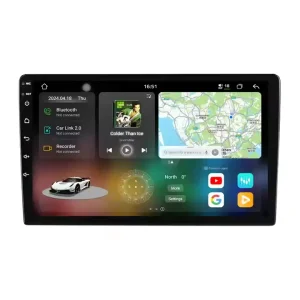
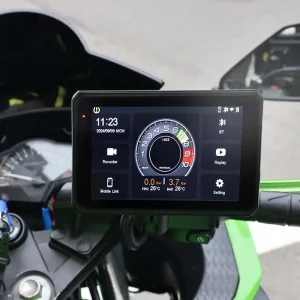
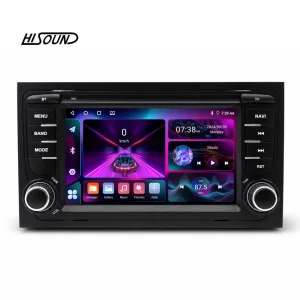
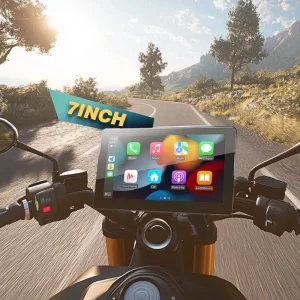
Users demand identical smart conveniences in their utility vehicles as in their passenger cars. This has driven the integration of high-resolution touch displays (7-inch to 13-inch, including floating and rotatable panels) featuring high brightness capabilities, integrated GPS modules, multi-zone Bluetooth, and seamless wireless phone projection.
Large-scale resort operations and golf club complexes utilize stereo screens as fleet management terminals. The integration of 4G LTE modules allows fleet managers to broadcast custom safety instructions, track vehicle positioning, configure geo-fencing, and monitor vehicle diagnostics remotely.
A true commercial-grade golf cart stereo system must withstand severe environmental challenges that typical car radios cannot. Long exposure to UV radiation causes plastic discoloration and screen delamination. Coastal resorts present high-salinity marine environments that corrode interior circuit boards. Furthermore, off-road driving requires robust physical mounting and internal chassis vibration dampening to prevent solder joint failures.
Hisound addresses these specific wear vectors during early-stage engineering. We use optical bonding technologies (2.5D full lamination) with anti-glare coatings, and protect our main PCBs using conformal silicone coatings to ensure waterproof, dustproof, and anti-vibration stability.
In B2B purchasing, selecting a supplier goes beyond reviewing a datasheet. Global sourcing directors evaluate structural design capabilities, compliance certifications, delivery times, and the manufacturer's ability to protect intellectual property.
Every brand has unique aesthetic requirements. Suppliers must offer custom plastic housings (molds), specialized wiring harnesses, and custom UI system themes (boot logo, navigation paths) to adapt systems to diverse vehicle platforms without delay.
Electric golf carts rely on battery efficiency. Stereo systems must feature ultra-low standby currents (under 3mA) to prevent battery drainage during extended vehicle storage, and include wide-voltage power supplies compatible with 12V to 48V direct inputs.
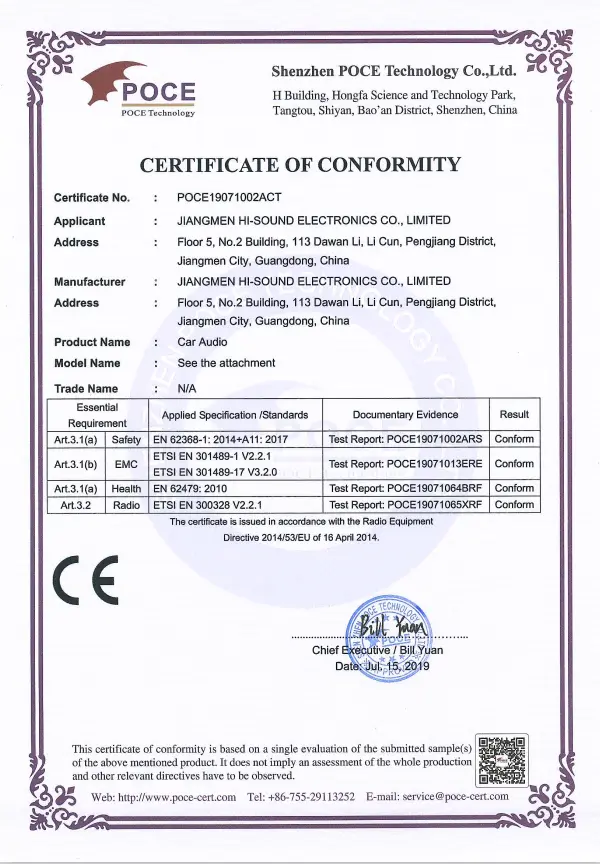
Sourcing products without CE, FCC, RoHS, or IP ratings introduces regulatory risk. Working with certified factories protects brands from commercial liabilities and ensures trouble-free importation into North America, Europe, and Asia-Pacific markets.
Hisound supports partners throughout the entire production lifecycle, offering comprehensive testing documentation, schematic support for custom integrations, and dedicated technical help to ensure seamless product rollouts.
Our smart manufacturing facility represents the next level of automotive electronics production. We combine automated surface mount technologies (SMT) with precision testing protocols to deliver high-quality products at competitive price points.
High-speed Yamaha SMT placement lines handle multi-layer PCB production. Automatic Optical Inspection (AOI) ensures that solder joint configurations are verified, preventing faults before final product assembly.
To achieve reliable water sealing, our displays utilize imported foam adhesives applied by CNC dispensing systems, followed by high-pressure chamber defoaming to create a durable, weather-resistant barrier.
All production lots undergo thermal stress cycling (-30°C to +80°C), IPX8 water immersion tests, high-amplitude vibration simulation, and 48-hour continuous power aging to eliminate early component failures.
Design Validation
SMT Assembly
AOI Inspection
Waterproof Seal
Vibration Test
Thermal Aging
Functional QC
Secure Pack
Our ruggedized infotainment systems are engineered for diverse off-road and passenger transport scenarios:
Provides clear open-air audio for golfers, displaying active course maps via 4G, and allows management to broadcast safety announcements across the entire fleet instantly.
Keeps shuttle passengers entertained using rear-seat screens, while integrated navigation displays assist operators in navigating large, complex resort layouts safely.
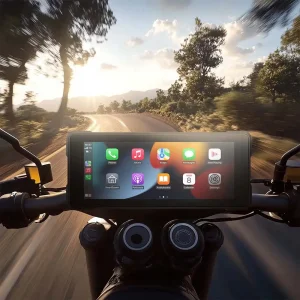
Built to withstand mud, rain, and heavy vibrations. Features Bluetooth and smart-phone integration to deliver music and navigation in rugged, off-road conditions.
From initial concept validation to large-scale production, our structured processes keep projects on track and aligned with client requirements.
Customize display sizes, resolution specs, screen brightness, touch panel construction, and waterproof structures to match your vehicle's physical application requirements.
Modify local maps, interface UI skins, voice guidance databases, routing algorithms, and custom fleet management apps for your specific commercial application.
Request custom mounting brackets, specific wiring harnesses, and communication interfaces designed for golf carts, shuttle vans, and other utility vehicles.
Protect your brand identity with private-label housings, custom logos, unique packaging design, and complete engineering support from prototype to mass production.
Define vehicle type, screen size, required software functions, waterproof ratings, bracket types, and branding needs.
Our engineering team designs the hardware layout, PCB schematics, bracket structures, and customized UI styles for review.
Build physical samples to test water sealing, structural reliability, system performance, and vehicle compatibility before release.
Transition to scaled production with strict quality control, engineering assistance, and after-sales support throughout the lifecycle.
Founded in 1979, our company has built a reputation for innovation, quality, and trust over 44 years of development. In 2004, the REFINE Rui Feng brand was established to focus on high-performance automotive and motorcycle electronics. Today, we are a global partner providing competitive pricing, reliable delivery, and robust quality certifications to businesses worldwide.
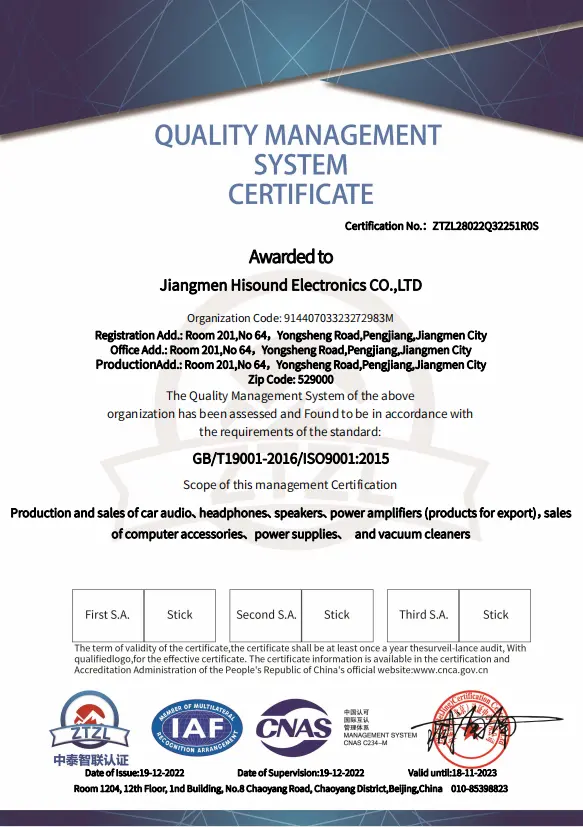
ISO Compliance
CE Certification
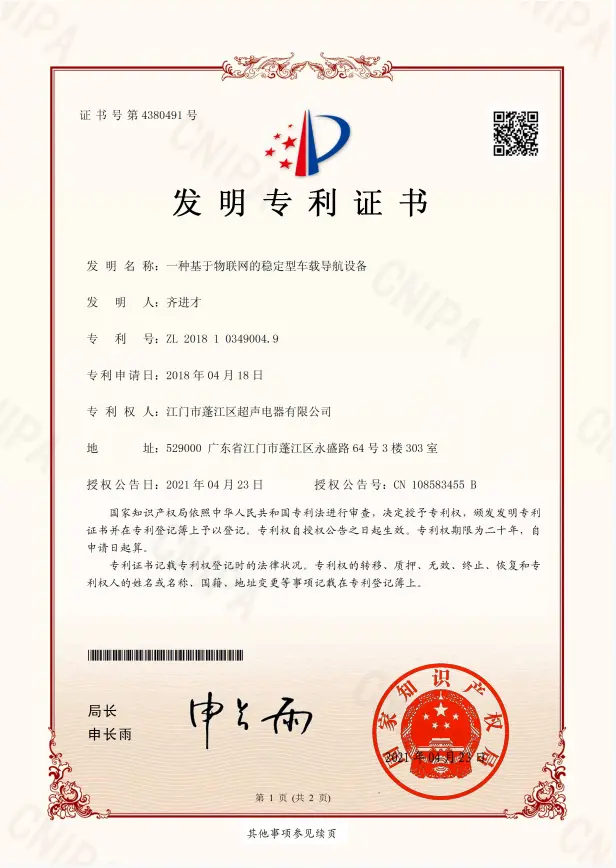
RoHS Compliance
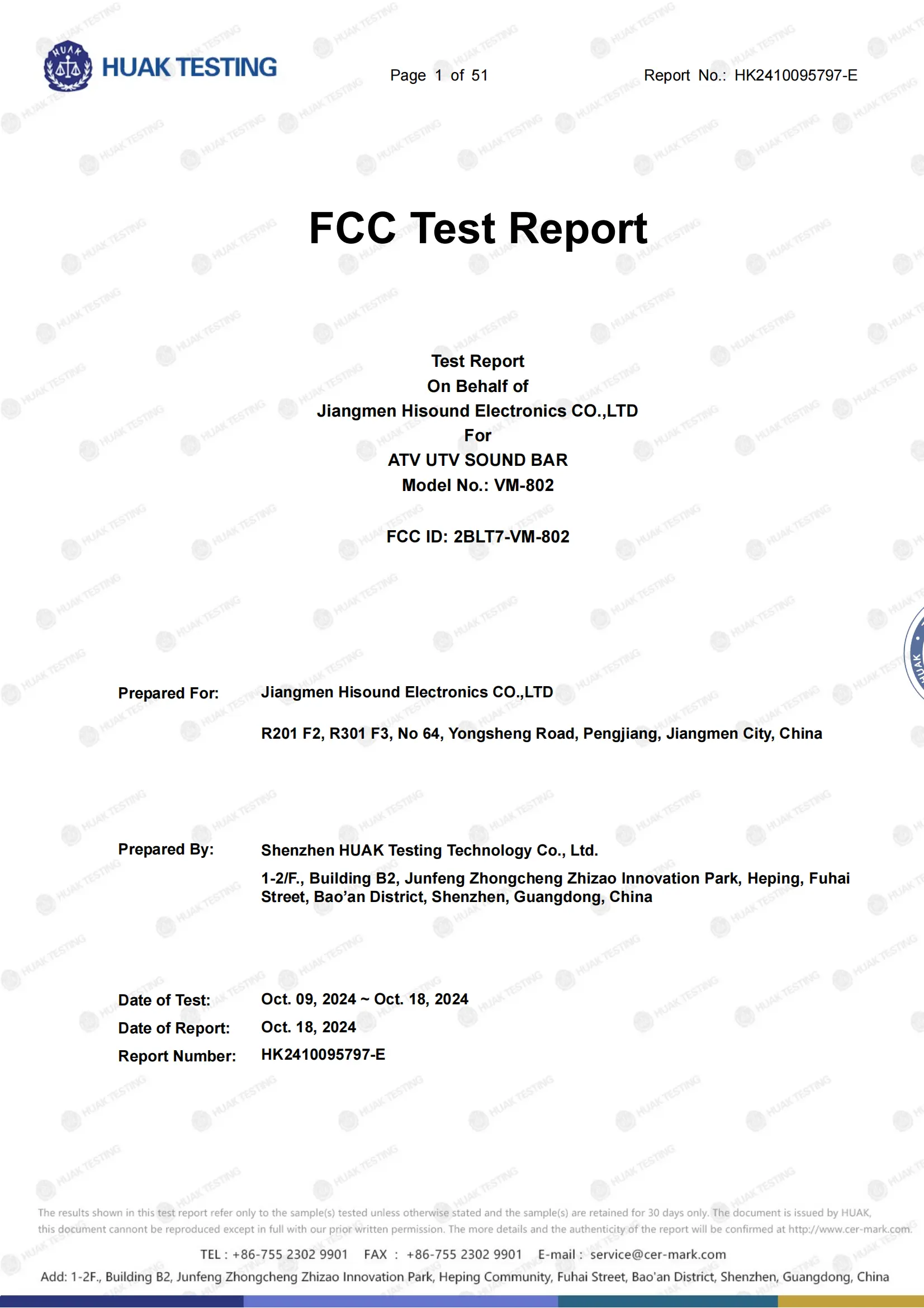
FCC Standard

IPX8 Waterproof Cert
Direct technical answers from our R&D engineering and supply chain management teams.
Golf cart stereo systems operate in open air, exposing them directly to UV rays, wind noise, dust, and rain. A standard car radio lacks waterproofing and adequate screen brightness for outdoor readability. Professional golf cart stereos feature high-brightness displays (typically >800 nits) to remain visible under direct sunlight, marine-grade physical sealing, and robust vibration resistance to handle rough terrains. Additionally, they are optimized for open-cabin acoustics, utilizing higher-power Class-D amplifiers or DSP to maintain sound clarity without excessive battery drain.
Electric golf carts typically run on 36V or 48V battery systems, whereas standard car audio products are designed for 12V DC systems. Using standard stereos without proper voltage reduction can damage the unit or drain the main battery bank unevenly. Our systems integrate wide-voltage power modules that handle direct inputs from 12V to 48V, or include high-efficiency step-down converters. Furthermore, our units feature a standby power draw of less than 3mA to ensure the golf cart's batteries do not drain during extended periods of storage.
We build our outdoor displays and marine sound systems to meet IPX6 and IPX8 standards. To achieve this, we use automated CNC dispensing machinery to apply specialized outdoor adhesives, followed by high-pressure vacuum chambers to eliminate air pockets during screen lamination. This process prevents dust infiltration and water entry even during heavy rain or direct washing.
Yes, customized UI design is a core part of our ODM services. We can pre-load your brand's boot animations, configure custom color schemes, design specific layouts for vehicle metrics, and integrate proprietary tracking or fleet management software. For large fleets, we also support custom hardware housing molds to align the display perfectly with your vehicle's dashboard layout.
Our quality control process is integrated throughout the production cycle. Every PCB assembly undergoes Automated Optical Inspection (AOI) to verify soldering quality. Assembled units then pass through a series of environmental tests, including thermal cycling chambers (-30°C to +80°C), vibration test tables to simulate rough terrain, and a 48-hour continuous power run-in. This rigorous testing minimizes defects and ensures long-term reliability in the field.
Standard prototype creation and UI modifications typically take 2 to 3 weeks. Once specifications are approved, raw material sourcing and mass production require 30 to 45 days, depending on order volume and customization complexity. We coordinate closely with your logistics team to ensure on-time delivery and provide full engineering documentation for smooth system integration.
Engineered for high-exposure environments, providing reliable outdoor connectivity and navigation performance.
 Hisound carAudio