



Utility Task Vehicles (UTVs) are rapidly transitioning from luxury off-road recreational toys to critical assets in agriculture, mining, power grid maintenance, forestry, and emergency disaster relief. Unlike standard on-road passenger cars, UTVs operate in highly challenging zones with weak cellular connectivity, extreme dust exposure, severe vibrations, and constant exposure to wet environments. Consequently, real-time GPS tracking is no longer just for anti-theft security—it is a vital operational tool for coordinate verification, geo-boundary management, engine telemetry tracking, and ensuring field personnel safety.
Modern off-road telematics systems rely on dual-mode hardware tracking that switches seamlessly between cellular LTE-M/NB-IoT channels and direct satellite links (e.g., Iridium constellation networks). Standard GPS systems fail to deliver reliable location tracking when UTVs cross deep mountain valleys or dense forests. By using multi-constellation GNSS chips that track GPS, Galileo, GLONASS, and BeiDou simultaneously, along with dynamic dead reckoning algorithms, managers can maintain pinpoint tracking accuracy down to sub-meter levels, even in the most remote areas.
An analytical review of the leading commercial tracking and navigation ecosystems globally, evaluated by hardware durability, software intelligence, and enterprise integration capabilities.
The benchmark in factory-integrated off-road technology. Ride Command provides advanced group tracking, offline topological mapping, and CAN-bus telemetry integration, establishing a complete ecosystem directly inside Polaris UTV cabins.
Known for rugged physical build quality and reliable satellite communications. Garmin's Tread series combines high-frequency VHF group tracking with inReach satellite communication capabilities, making it ideal for expedition operations.
A leader in enterprise B2B fleet logistics. Samsara's industrial gateway trackers connect seamlessly to heavy utility machinery, gathering real-time engine diagnostics, fuel usage, and driver safety data via an open API cloud platform.
Renowned for detailed software reporting. Geotab provides rugged external GPS modules that plug directly into vehicle OBD and CAN systems, offering detailed alerts on mechanical stress, rollover detection, and battery charge status.
Specializes in straightforward asset tracking and theft prevention. Linxup provides small, hardwired, and battery-powered tracking modules that run on local cellular networks, featuring fast geofencing alerts for rental UTV fleets.
Focuses on rugged, cost-effective tracker hardware. LandAirSea designs waterproof magnetic trackers that can be placed discretely on vehicle chassis, making them a popular choice for equipment rental operations.
BRP's proprietary CAN-Am ecosystem integration. Provides off-road vehicle metrics, trail mapping, and user group connection, optimized to handle the heavy electrical demands of high-performance off-road alternators.
Features highly customizable cellular tracking intervals. Offers reliable real-time tracking with detailed route history logs, helping large industrial farms plan and optimize their daily UTV routing.
A cost-effective, plug-and-play B2C option that works well for light-duty commercial applications. Provides 15-second tracking updates, trip breakdowns, and vehicle health alerts via standard cellular networks.
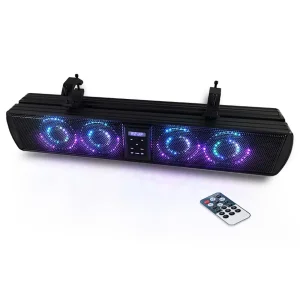
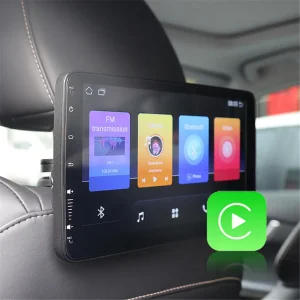
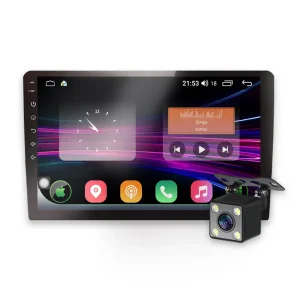
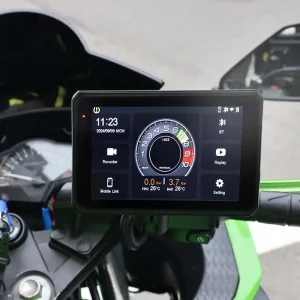
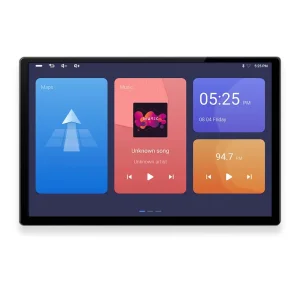
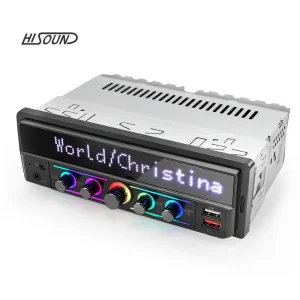
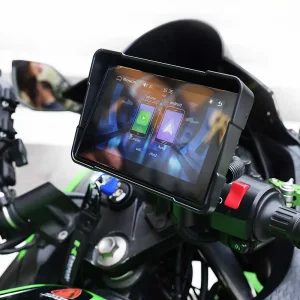
An industry-leading OEM/ODM hardware partner based in China. Hisound designs and builds customized smart touch-screen vehicle terminals that integrate GPS, CarPlay, and Android Auto, along with rugged, high-waterproof tracking systems for global brands.
Developing and mass-producing high-reliability UTV trackers requires a deep, flexible electronics supply chain. Chinese hardware manufacturers have established a highly efficient ecosystem that handles everything from raw component sourcing to advanced product testing under one roof.
Top manufacturing hubs in Shenzhen and Dongguan provide complete vertical integration for GPS tracking hardware. Advanced Surface Mount Technology (SMT) lines can populate high-density PCBs with multi-GNSS modules and LTE modems in seconds. By placing component suppliers, plastic molders, and antenna laboratories in close proximity, manufacturers can cut prototype design cycles down from months to weeks.
High-quality factories, such as Hisound, use advanced testing equipment to ensure that tracking hardware performs reliably in harsh off-road conditions. Each production run goes through rigorous stress testing, including thermal chambers, vibration tables, and high-pressure water spray booths, ensuring that the hardware meets IP67, IP68, or IPX8 ingress protection standards.
High & Low Temperature chamber cycling from -40°C to +85°C to prevent PCB traces and component joints from failing.
High-pressure water immersion testing to confirm that the casing seals keep water out during deep mud crossings.
Simulating continuous trail vibration and physical impacts to ensure internal connections remain secure.
In large open-pit mines, UTVs are used to transport engineers and equipment across rough terrain. GPS trackers enable central command offices to locate personnel instantly, establish geofences around blasting zones, and monitor real-time speed to prevent accidents.
Large agricultural farms rely on UTVs for soil sampling, crop monitoring, and livestock tracking. Real-time GPS mapping helps operators log field data accurately, monitor equipment usage, and secure valuable vehicles against theft during harvest season.
Emergency response teams use UTVs to navigate rugged, off-road terrain. Integrated GPS tracking and satellite-cellular communication allow rescue coordinators to monitor search progress and coordinate team movements in remote locations.
For procurement managers and systems integrators sourcing UTV tracking hardware, selecting the right specifications is crucial for long-term reliability. Below is a guide to the key hardware metrics to evaluate when reviewing manufacturers:
| Feature Specification | Recommended B2B Industrial Standard | Why It Matters |
|---|---|---|
| GNSS Navigation Engine | Multi-constellation (GPS + GLONASS + Galileo + BeiDou) | Ensures reliable satellite connectivity in deep canyons, dense forests, and high-latitude areas. |
| Ingress Protection (IP) | IP67 Minimum / IP68 (or IPX8) for extreme conditions | Protects delicate internal electronics against dust ingress and high-pressure water spray during washing. |
| Input Voltage Range | 9V to 36V DC (with transient surge protection up to 60V) | Protects the hardware against voltage spikes common in UTV electrical and charging systems. |
| Standby Sleep Current | < 3.5 mA in deep sleep mode | Prevents the vehicle battery from draining during long periods of storage or inactivity. |
| Internal Battery Backup | 300mAh to 1000mAh rechargeable Li-Polymer | Keeps the tracker sending location signals even if the main vehicle battery is disconnected or tampered with. |
From concept mockups to final product assembly, Hisound provides a complete manufacturing solution for clients seeking custom vehicle electronics and outdoor navigation interfaces.
Outline screen size, waterproof rating, mounting bracket design, and custom software requirements.
Engineering team develops the PCB schematics, enclosure designs, and customized system UI.
Build samples and perform environmental testing (waterproofing, vibration, and thermal exposure).
Run volume manufacturing with strict quality control, testing, and secure packaging.
With a manufacturing legacy established in 1979, Hisound has grown over 44 years into a trusted manufacturer of automotive and off-road electronics. We specialize in producing rugged screens, high-brightness displays, and custom electronics for motorcycles, ATVs, and UTVs. Our factory uses advanced automated production systems and comprehensive quality control processes, ensuring that every unit complies with CE, FCC, RoHS, and IPX8 standards. Whether you need white-label hardware, custom firmware, or completely new product designs, Hisound is your reliable partner for off-road electronic solutions.
Industrial UTV tracking hardware uses a mix of local storage (logging GPS coordinates to internal flash memory when disconnected) and satellite telemetry networks (like Iridium). Once the vehicle enters a cellular coverage zone (LTE-M/NB-IoT), the stored tracking data is automatically uploaded to the cloud server.
Standard car trackers lack the ingress protection and physical durability needed for off-road use. They quickly fail when exposed to dust, water immersion, and constant vibration. Additionally, passenger car trackers do not have power management features optimized for UTV batteries, which can lead to rapid battery drain during storage.
Hisound offers a wide range of customization options, including custom screen brightness levels (up to 1000 nits for outdoor readability), rugged mounting bracket designs, custom boot logo animations, customized system user interfaces, and custom enclosure branding to match your corporate identity.
Our hardware solutions use an internal three-axis accelerometer to monitor movement. When the vehicle is parked, the system switches to an ultra-low standby power sleep mode, reducing the current draw to less than 3mA while maintaining basic wake-on-motion capabilities.


 Hisound carAudio