Premium OEM & ODM solutions configured for commercial, industrial, automotive, and motorcycle applications worldwide.
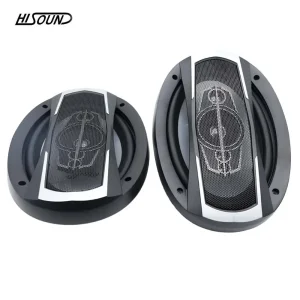
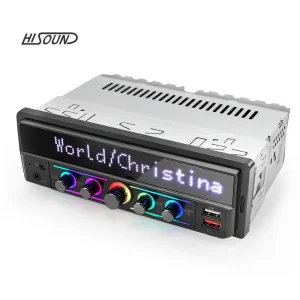
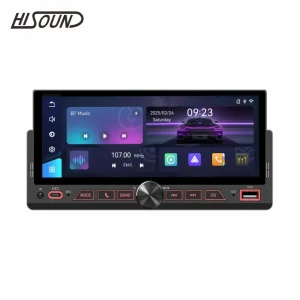
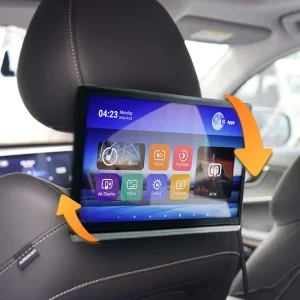
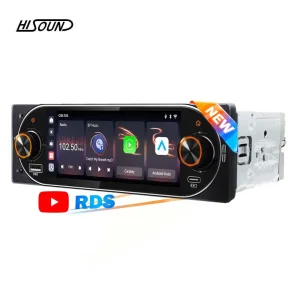
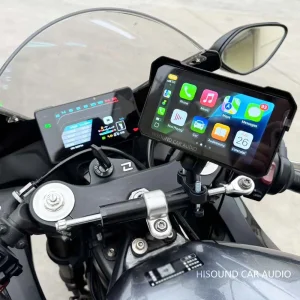
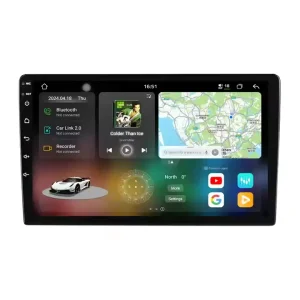
In modern industrial, commercial, and consumer logistics ecosystems, navigation is no longer just a visual map; it is a critical interface for machine integration, telematics, and operational efficiency. The demand for custom software navigation systems has evolved beyond standard street routing into highly specialized environments. Marine transport, high-speed motorcycle touring, heavy agricultural machinery, fleet delivery networks, and off-road ATV/UTV adventures demand highly specialized software architectures tightly integrated with robust, custom hardware.
Choosing a manufacturing partner is not merely a transaction for screens; it is a collaborative alignment with an OEM/ODM provider capable of executing customized circuit boards (PCBAs), optimizing real-time operating systems (RTOS, Linux, Android), and engineering physical enclosures that survive extreme solar radiation, high moisture, and severe kinetic vibration. This whitepaper analyzes the engineering standards, supply chain dynamics, and product design methodologies defining the world's leading factories in this domain.
SEO Insight & Information Gain: When sourcing navigation systems, procurement directors must evaluate the convergence of software and hardware. True custom systems integrate directly with a vehicle's CAN-bus or OBD-II networks, transmitting telematics while running custom application layers safely.
Leading factories in custom software navigation differentiate themselves through advanced hardware validation. Customization options must bridge the gap between high-performance computing and environmental survival:
Standard automotive infotainment systems struggle in straight, ambient sunlight. High-performance navigation displays require 2.5D optical bonding (OCA - Optically Clear Adhesive) and high-brightness screens (typically 800 to 1200+ nits). By fully laminating the touch panel to the LCD module, manufacturers eliminate the internal air gap. This engineering standard prevents condensation under the glass, decreases internal light reflection by up to 90%, and provides exceptional contrast and readability in direct sunlight.
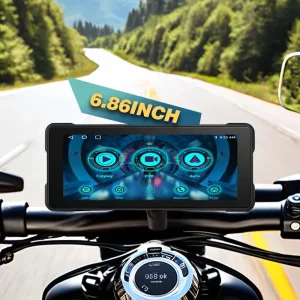
For motorcycle navigation, marine, and open ATV systems, IPX8 waterproofing is mandatory. As detailed in the Hisound manufacturing process, this is achieved by applying high-grade imported foam adhesives coupled with specialized high-pressure defoaming chambers. This ensures a hermetic, lifelong seal between the display, optical glass, and polycarbonate housing, maintaining structural integrity under heavy rain, high humidity, and pressure washing.
Tailor display dimensions, screen resolutions, extreme nit levels, custom touch overlays, waterproof frames, and physical vibration-isolated chassis designs tailored to specific vehicle form factors.
Customize underlying map databases, local voice packages, pathfinder algorithms, and fleet-wide dashboard management utilities designed to communicate with logistics backends.
Provide optimized mounting bracket architectures, custom low-interference wiring harnesses, and digital interfaces (CAN-bus, OBD-II) for golf carts, utility trucks, and off-road vehicles.
Execute comprehensive private-label branding, customized boot screens, custom OS launchers, packaging layout, and engineering deployment from prototype to scale.
A custom navigation device's hardware is only as good as its underlying software engine. Professional manufacturers maintain dedicated embedded software teams to develop and deploy across two dominant architectures:
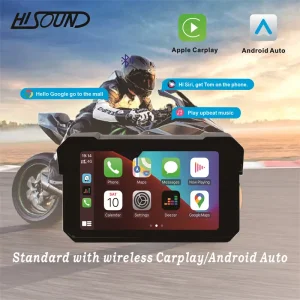
For high-reliability, closed-ecosystem platforms (such as motorcycle CarPlay or targeted commercial fleet screens), Linux remains the choice system. Operating systems running on Linux boot in seconds, demand fewer hardware resources (minimizing memory overhead), and offer exceptional system stability. Custom Linux kernels are optimized to run wireless Apple CarPlay, Android Auto, and Vi-Link screen mirroring protocols with minimal latency.
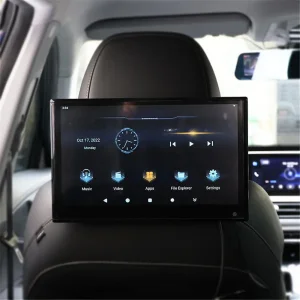
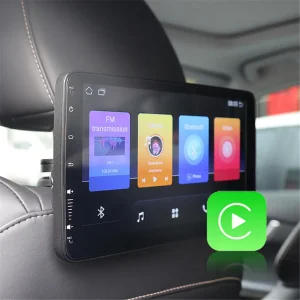
For smart interactive terminals, high-end automotive head units, and rear-seat entertainment systems, Android provides unmatched versatility. An Android 15 operating system running on high-speed Octa-Core processing platforms allows users to run third-party apps, customize map routing SDKs (such as Mapbox, Google Maps API, or OsmAnd), and control dual-band Bluetooth audio paths (allowing simultaneous connections to smartphones, headsets, and helmet intercoms).
Over-The-Air (OTA) Modernization: Leading factories now build secure, proprietary OTA servers, enabling enterprise clients to update firmware, patch security holes, and push map updates to thousands of field devices simultaneously without physical intervention.
China remains the undisputed global hub for the design, development, and mass production of in-car hardware and custom navigation solutions. Sourcing from top-tier Chinese manufacturers (such as those centered in Guangdong's industrial clusters) provides structural advantages:
Experienced OEM/ODM partners follow structured engineering gates to ensure quality, performance, and timely delivery:
Define target vehicle environment, thermal constraints, screen sizes, waterproof ratings, and necessary certifications.
Draft schematics, layout the printed circuit boards (PCB), model physical enclosures, and design the custom operating system UI.
Perform strict testing including IPX8 water intrusion, thermal cycles, vibration testing, and electromagnetic compatibility.
Deploy the final design to SMT assembly lines, complete laser logo etching, execute QA inspection, and run device aging cycles.
Global procurement teams must partner with factories that understand international regulatory frameworks. Shipping navigation terminals to the United States, Europe, or South America requires strict compliance with local laws:
Patented Security Designs: Leading manufacturers build advanced anti-theft mechanics into their designs, such as quick-release removable head units combined with built-in dual-channel dashcams (DVR). This eliminates the cost and mess of routing multiple aftermarket devices.
Founded in 1979, Hisound has spent over four decades developing core engineering strengths in technology research, brand optimization, and global logistics. Officially establishing the REFINE Rui feng brand in 2004, the company has grown into a world-class OEM and ODM supplier. Today, Hisound leads the industry in manufacturing high-brightness, IPX8 waterproof motorcycle navigation displays and interactive rear-seat entertainment screens.
Whether partnering with small distributors or large automotive assembly brands, Hisound provides competitive pricing, swift delivery, and rigorous quality testing. Their engineering facilities house a comprehensive suite of advanced validation systems:
Protects finished goods in humidity-controlled retail shrink film before long-distance global transport.
Tests navigation display performance from -20°C to +70°C, verifying hardware reliability in both frozen and desert climates.
Executes thousands of load, stress, and hinge cycles to ensure mounting systems remain stable under real-world use.
Simulates continuous, high-frequency off-road riding to ensure internal PCB solder joints remain intact.
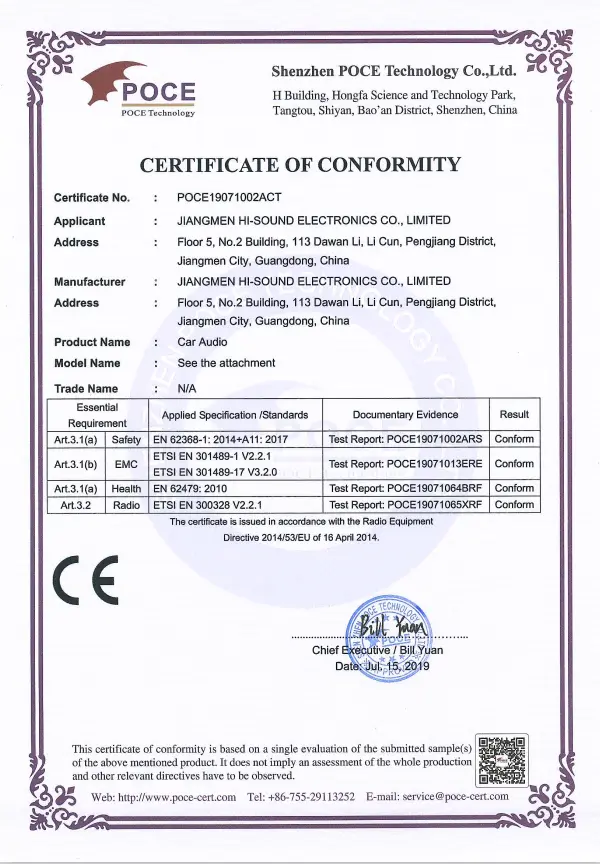
Hisound products are manufactured under rigorous ISO standards, carrying all essential international certifications.
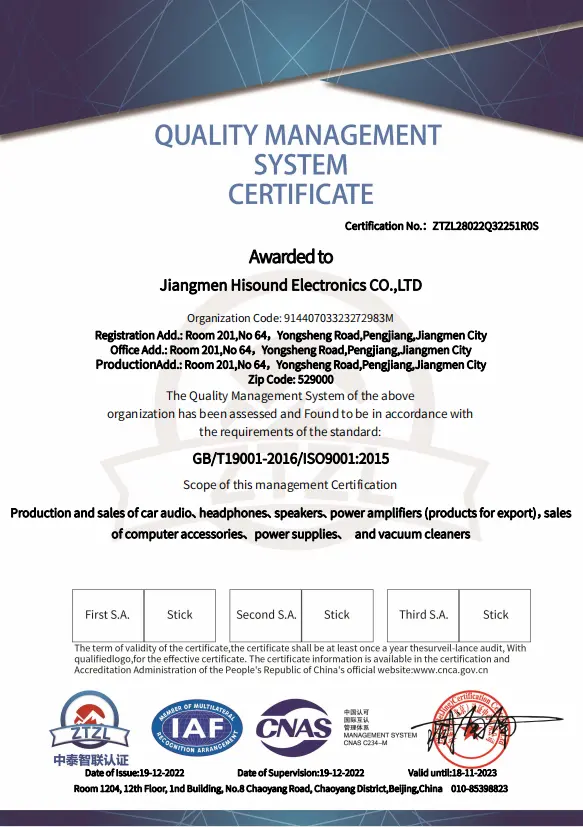
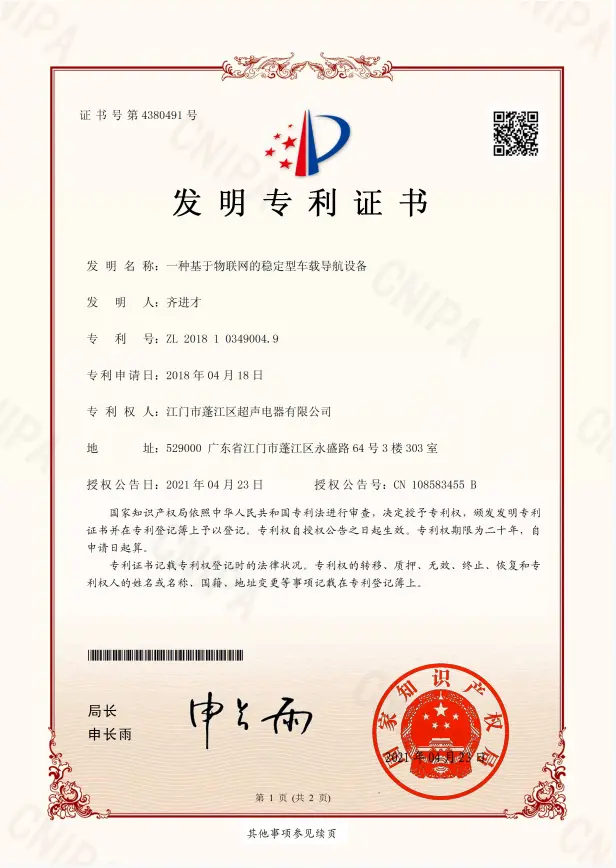
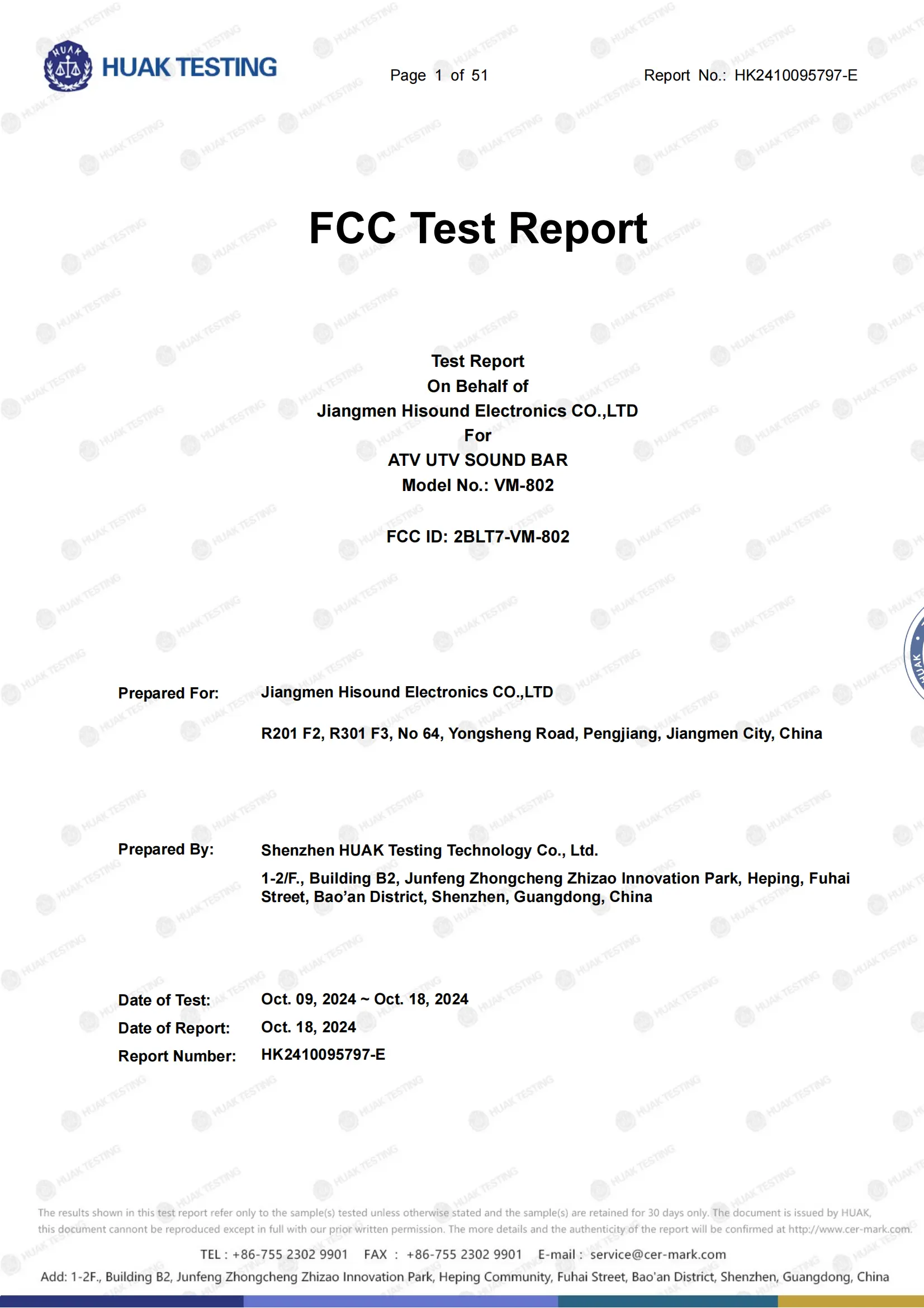
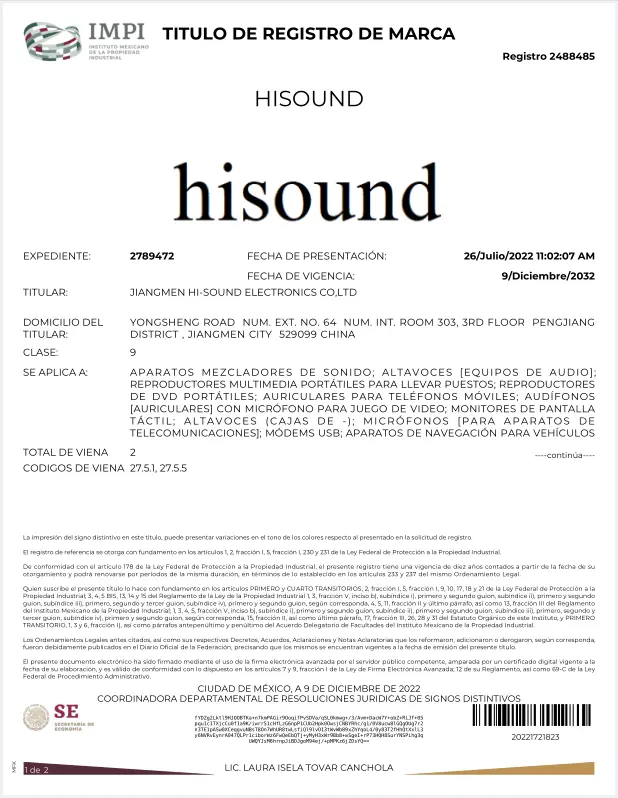
"The IPX8 waterproof motorcycle navigation systems have transformed our retail line. Zero moisture failures despite heavy seasonal rains."

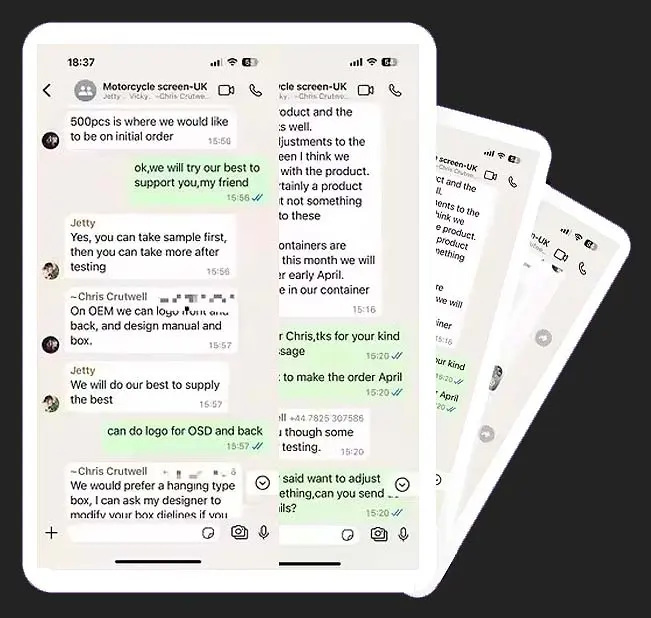
"Hisound's engineering team worked closely with us to customize a 14-inch rotatable headrest tablet for our luxury vehicles. Excellent execution."
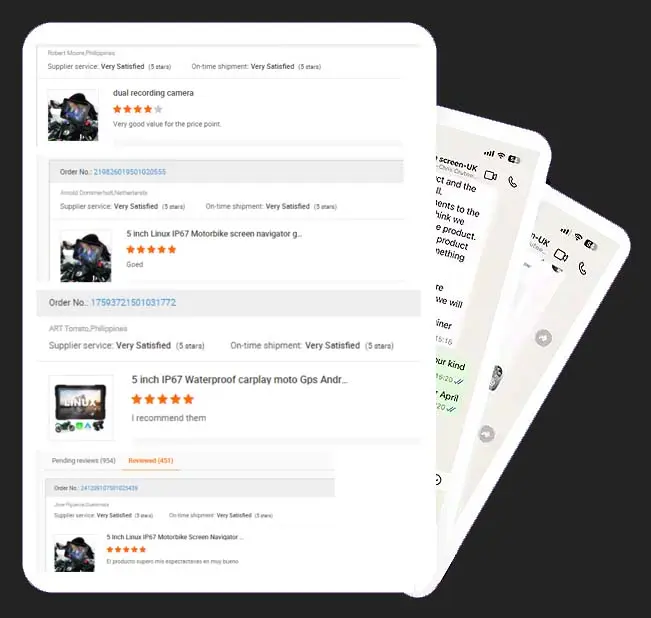
"Outstanding communication and quality control on our custom 6.86-inch Linux audio projects. The delivery timelines were consistently met."
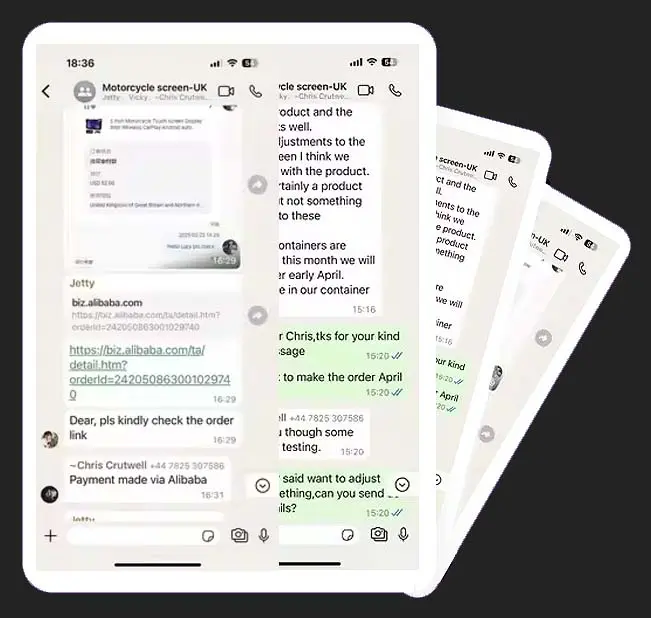
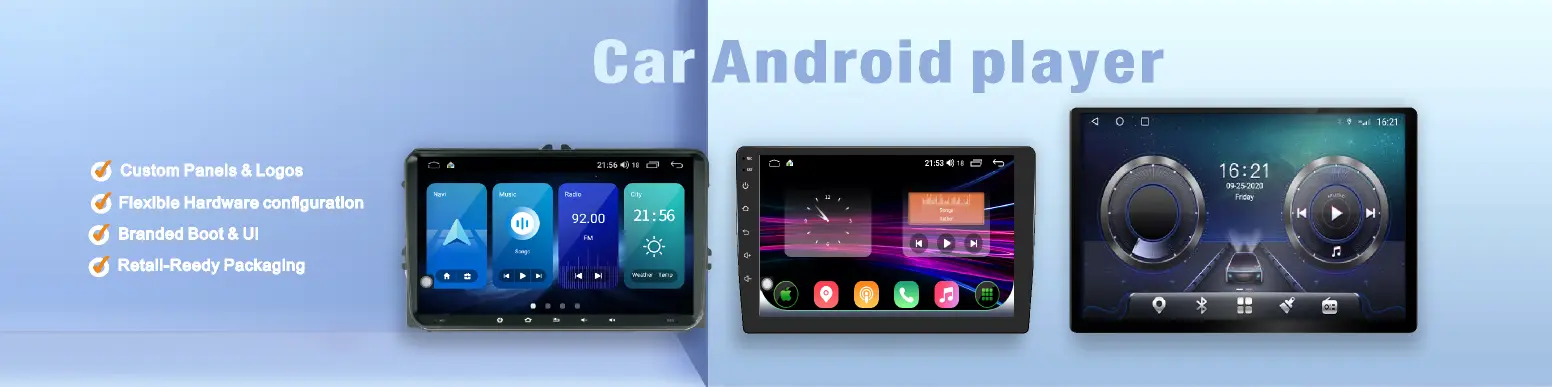
Below are our certified production banners mapping out specialized screens and custom build paths.
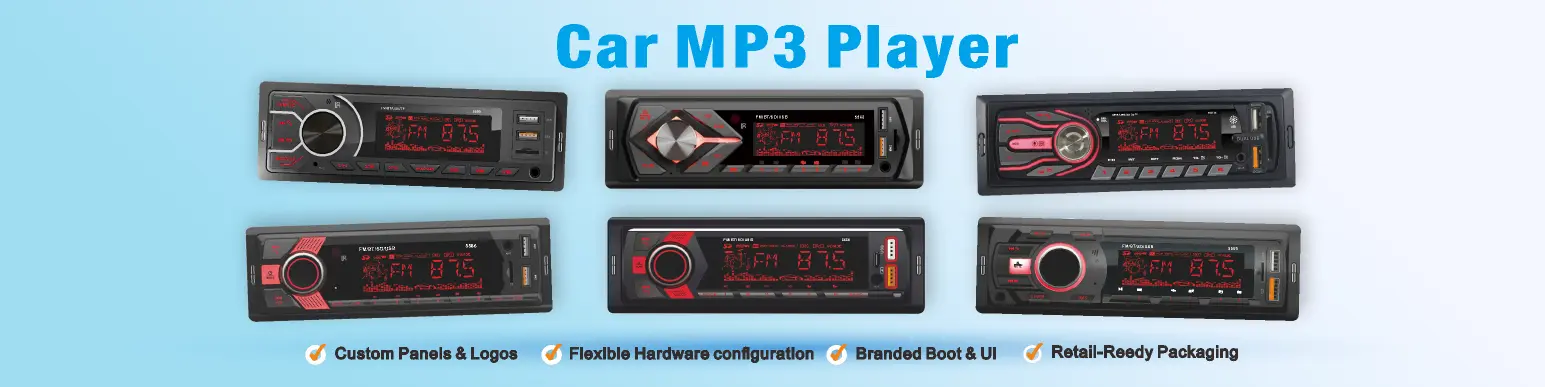
Crucial engineering and procurement answers for buyers looking to partner with custom software navigation system factories.
Linux architectures require less RAM and CPU processing overhead than Android. This translates to boot times under 5 seconds, absolute software stability, and reduced thermal emissions, which are crucial for sealed waterproof enclosures exposed to sunlight. Linux is ideal for dedicated wireless CarPlay and Android Auto displays, whereas Android is preferred for running complex local applications.
During assembly, our facilities use high-strength imported polyurethane foam adhesive applied via computer-controlled CNC paths. The sealed display units are placed in a vacuum-pressure defoaming chamber to eliminate micro-air gaps. Finally, each device is tested in physical pressure vessels to simulate submersion, guaranteeing true IPX8 waterproof performance.
Yes. Our standard OEM/ODM delivery includes firmware customization. We embed your brand's boot splash animations, customize launcher skins to display target applications, and provide full layout template designs for custom printed boxes, manuals, and accessories.
Our systems feature hardware that splits wireless audio paths. The primary Bluetooth connection links to your smartphone to manage data, navigation, and music. The secondary channel relays that audio stream directly to the rider's helmet intercom, ensuring hands-free operation and crisp audio quality.
Explore our advanced portable navigation systems, Linux mp5 receivers, and high-resolution rear seat entertainment systems.
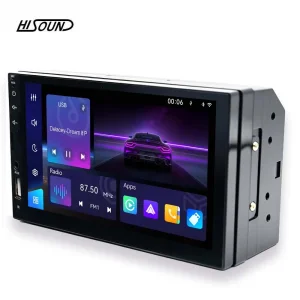
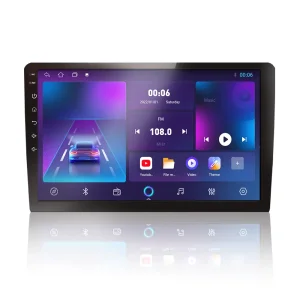
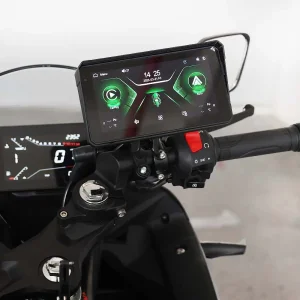
Hisound Wholesale Products, Suppliers View Details →
 Hisound carAudio