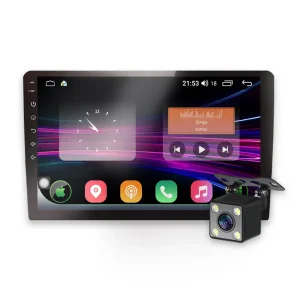
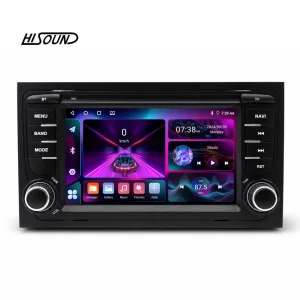
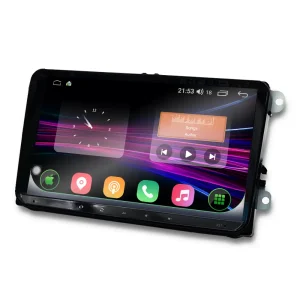
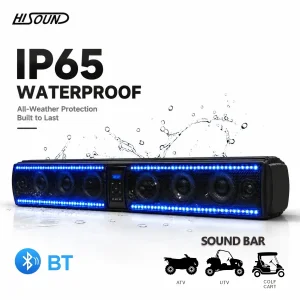
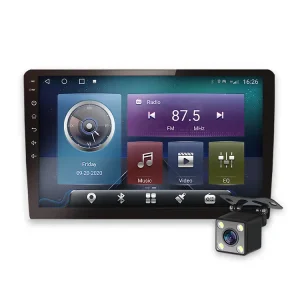
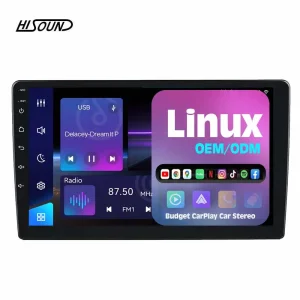
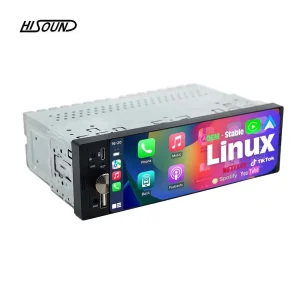
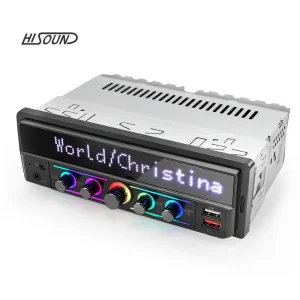
The manufacturing dynamics of the automotive infotainment system industry have undergone a rapid paradigm shift over the past decade. China has solidified its position as the ultimate global hub for automotive electronics, commanding over 80% of the world's OEM and aftermarket supply chain capacity. Modern vehicular electronics, specifically USB car radios and Android multimedia head units, require complex integration across hardware levels, display manufacturing, and software programming.
Guangdong province, specifically industrial nodes in Shenzhen, Dongguan, and Huizhou, hosts a localized industrial cluster that provides unparalleled efficiency. This ecosystem groups high-speed Surface Mount Technology (SMT) packaging facilities, raw semiconductor distribution networks, injection molding workshops, and specialized optoelectronics laboratories (providing full-lamination 2.5D displays) within a 50-kilometer radius.
For global importers, sourcing directly from factories situated within this cluster guarantees optimized bill of materials (BOM) costs, dynamic engineering support, and shortened prototyping timelines. Leading manufacturers like Hisound integrate these component ecosystems to execute complete vertical integration, from raw PCB stencil screening to the final acoustic validation and vehicle simulation testing.
Utilizing high-speed Yamaha and Fuji SMT placement machines to secure zero-tolerance chip mounting for critical MCU, GPS, and Bluetooth modules on mainboards.
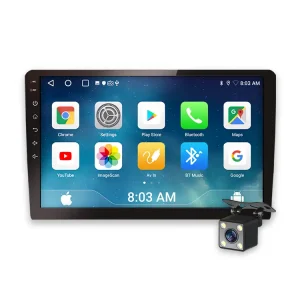
Partnering with premier chip manufacturers (Allwinner, MediaTek, FYT) to offer customizable RAM/ROM configurations (from 1+16GB up to 8+128GB).
Deploying dust-free cleanrooms for OCA (Optically Clear Adhesive) vacuum lamination of 2.5D curved IPS screens to eliminate air gaps and moisture penetration.
Procuring USB car radios and Android head units involves navigating complex national import frameworks, electromagnetic compatibility (EMC) regulations, and localization parameters. A standard automotive audio device does not merely play media; it acts as a central communication node interfaces with the vehicle's engine diagnostics (OBD-II), steering wheel controls, and cellular network signals.
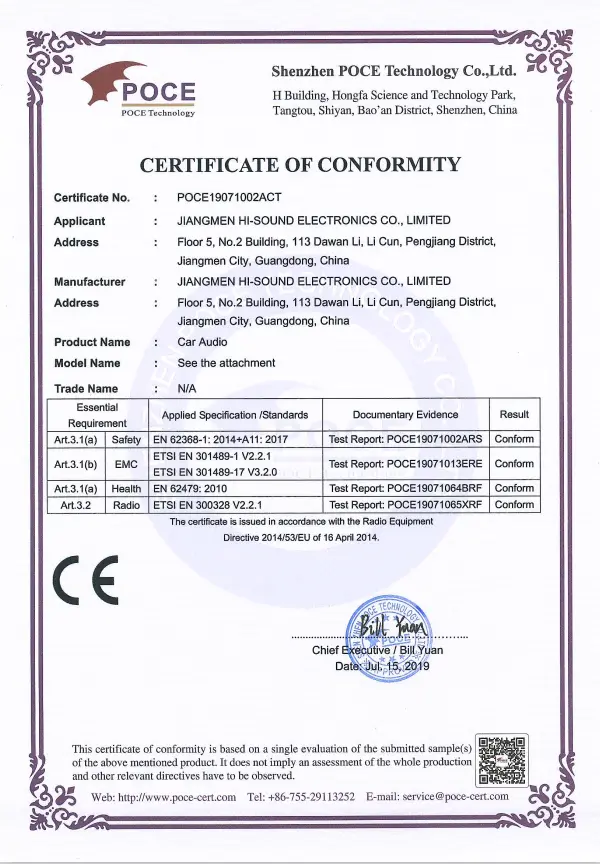
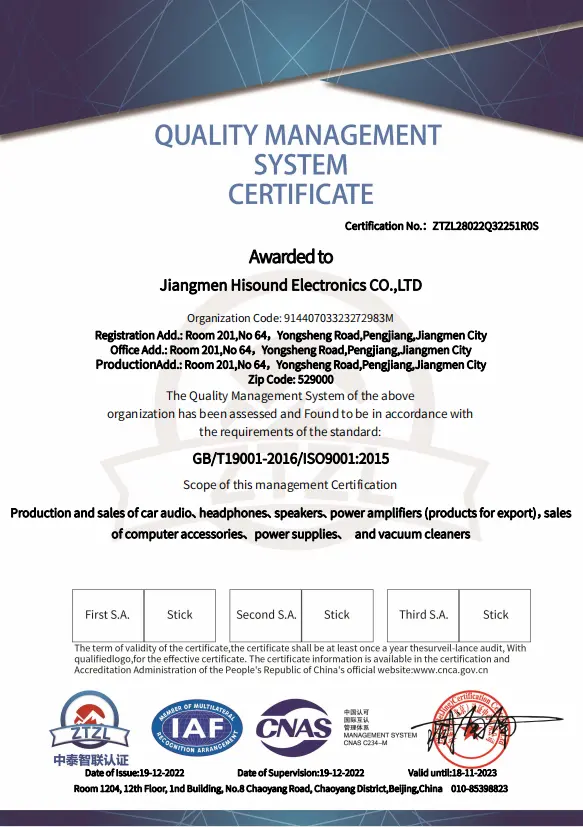
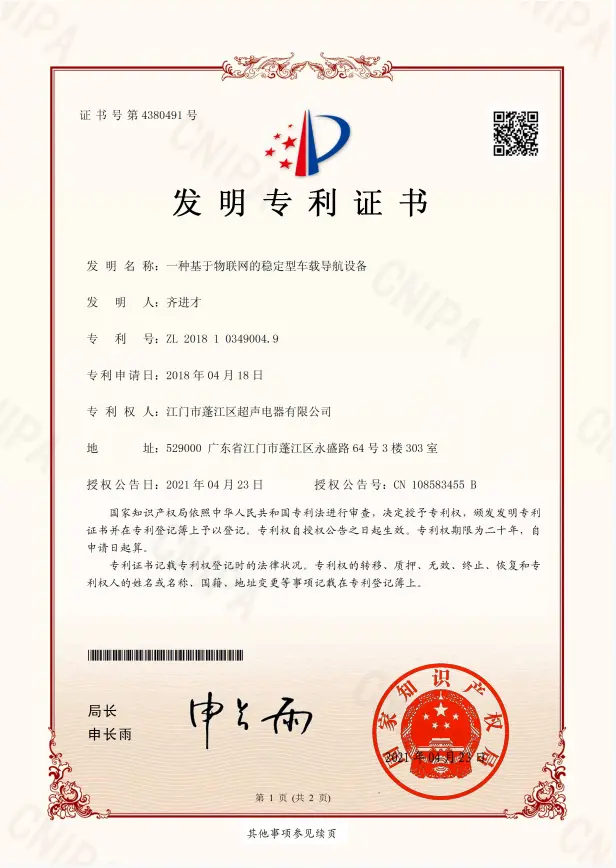
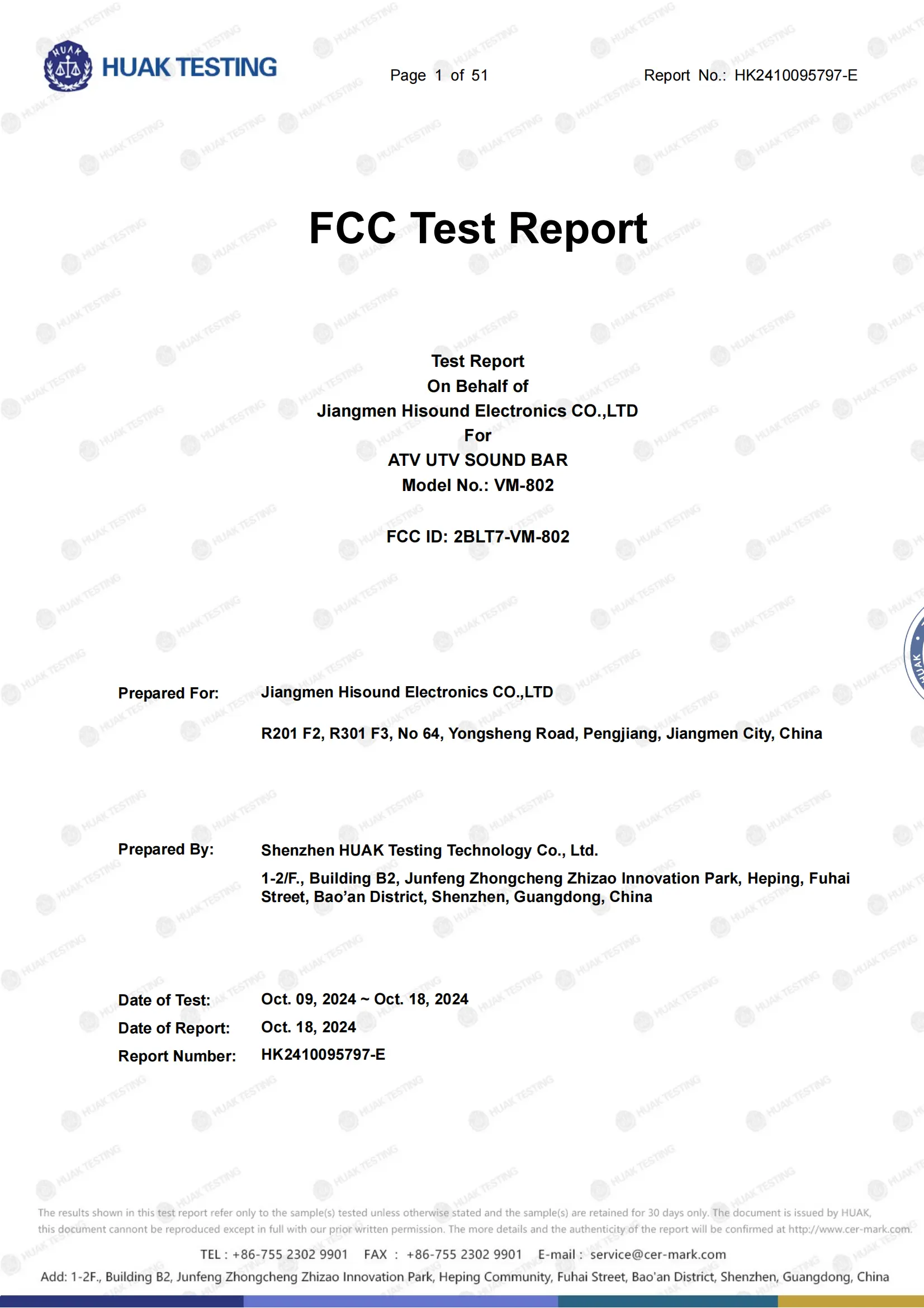
To maintain commercial compliance across target territories, international distributors must demand specific certifications from factories:
Furthermore, localization goes beyond voltage adjustments. It requires standardizing software platforms. Hisound's dedicated R&D division supports multi-regional firmware localized for radio bands (FM/AM/RDS ranges for Europe vs. North America), navigation preferences (pre-integrated GPS maps), user interface (UI) languages, and complex vehicle CAN-bus protocol integration to preserve factory car settings.
Vehicular hardware operates in harsh environmental extremes. Unlike consumer-grade tablets, in-car systems must endure intense dashboard vibration, continuous solar thermal exposure (up to 70°C under direct windshield sunlight), and freezing conditions (-20°C in winter).
High-end OEM factories operate specialized quality-control divisions equipped with advanced simulators to validate durability before batch release. Below is the technical breakdown of the testing machinery deployed to maintain zero-defect export standards:
Cycling mainboard and display assembly through continuous temperatures ranging from -30°C to +85°C for 48 hours to assess thermal resistance and prevent screen delamination.
Deploying multiaxis vibration tables to test solder joint reliability under continuous vehicle engine frequency vibrations and physical shocks.
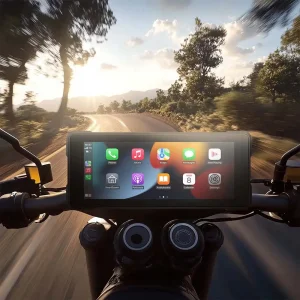
Exposing specialized outdoor systems (ATV/UTV sound bars, motorcycle CarPlay screens) to high-pressure water spray booths to verify IPX8 ingress compliance.
Define vehicle requirements
PCB architecture design
Initial physical build
Acoustic and UI check
High/low temp chamber
Water intrusion test
Private label engraving
WEEE/RoHS packing
The vehicle cockpit has transitioned from a basic dashboard to a fully connected command center. To remain competitive in this evolving landscape, manufacturers are integrating several key technological developments:
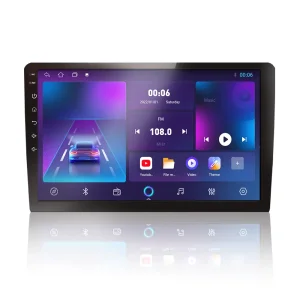
A. The Rise of the Linux OS in Mid-Tier Units: While high-end platforms utilize Android 15 to facilitate deep app integration, many fleet buyers and car audio distributors are adopting Linux-based MP5 systems. Linux offers fast cold-boot sequences (often under 3 seconds), lower system resource overhead, high stability, and immunity to typical system slowing, making it optimal for heavy-duty commercial deployment.
B. Marine & Outdoor Powersports Integrations: Car audio engineering has expanded into all-terrain vehicles (ATVs), utility task vehicles (UTVs), golf carts, and motorcycles. These open-cabin scenarios require specialized displays (offering over 800 nits of high-brightness illumination for sunlight visibility) combined with physical anti-theft properties, removable control panels, and built-in Dashcam DVR systems.
C. Full-Lamination Floating Displays: The aesthetic trend toward large floating dashboards (11.5-inch and 13-inch screens) requires robust structural brackets to prevent cabin rattling. High-end factories utilize metal alloy mounts and 2.5D glass panels to provide a modern, durable floating display.


 Hisound carAudio