Select B2B direct supplies featuring fast startup, wireless connectivity, and heavy-duty IPX-certified builds designed for extreme marine and off-road applications.
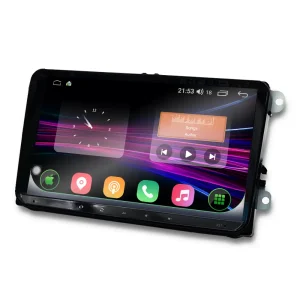
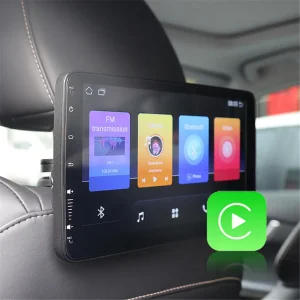
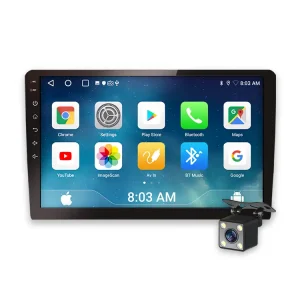
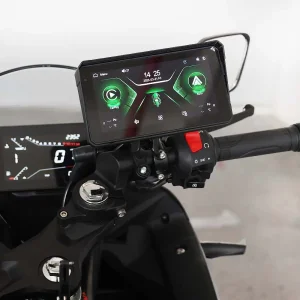
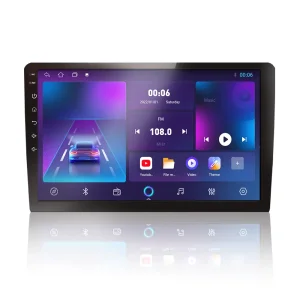
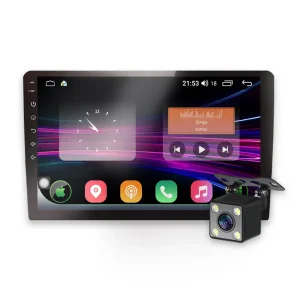
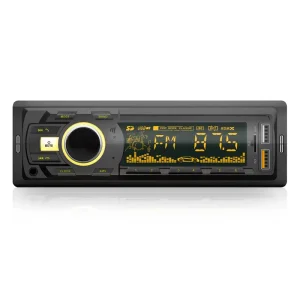
The global marine entertainment sector is undergoing a massive paradigm shift. Historically, marine audio hardware was limited to analog AM/FM receivers retrofitted with basic moisture sealings. Today, commercial yacht manufacturers, cruise liners, military marine vessels, and recreational boat outfitters demand integrated multi-zone marine command systems that fuse high-fidelity audio output with dual-band GPS, multi-satellite GNSS positioning, NMEA 2000 communication interfaces, and advanced automotive-grade screen laminations.
As semantic search and user intents shift from looking for basic "marine radios" to sourcing "ruggedized marine infotainment control hubs with integrated navigation systems," buying organizations need to identify companies and factories that can offer substantial information increments. A truly high-performance marine receiver does not just run audio; it communicates with the vessel's engine sensors via CAN-bus protocol, interfaces with sonar units and fishfinders, and resists galvanic corrosion caused by harsh salt air environments. The growth in specialized off-grid transport industries (such as ATVs, UTVs, heavy-duty golf carts, and adventure motorbikes) has fueled further demand for compact, highly reliable dashboard navigation screens.
Currently, the market demands marine stereos that feature high-brightness IPS displays (often exceeding 1,000 nits) to combat the wash-out effects of direct sunlight. Crucially, these screens must employ full optical lamination (OCA/OCR technology) to eliminate air gaps between the LCD and cover glass. Without optical lamination, marine units are prone to internal condensation and optical refraction, which reduces display visibility to near zero in high-glare sea environments.
For B2B buyers looking to optimize their supply chain and pricing structure, sourcing from Chinese factories offers unparalleled manufacturing efficiency and cost optimization. The industrial cluster in Guangdong Province provides direct access to all tiers of the hardware supply chain. From microchip design agencies and SMT (Surface Mount Technology) assembly lines to plastics mold factories and specialized optical bonding clean rooms, the entire production loop is concentrated in a tight geographic range.
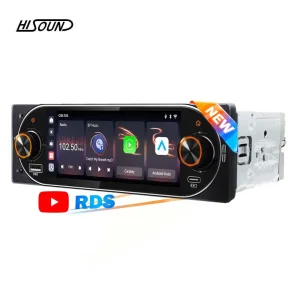
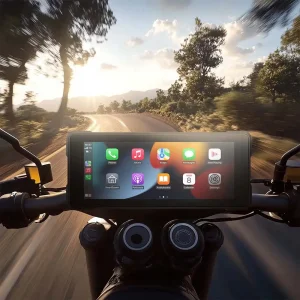
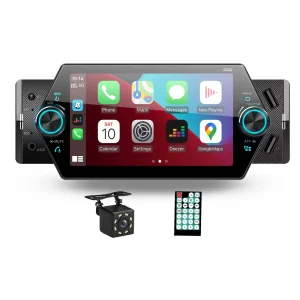
Chinese factories excel at translating global market demands into production-ready platforms. While traditional Western brands charge high premiums, China-based manufacturers like Hi-Sound—whose parent group was established in 1979 and officially founded the Rui feng brand in 2004—integrate extensive industrial expertise with agile manufacturing processes. This enables the fast delivery of premium hardware designs, such as floating-screen Android head units and specialized IPX8 waterproof motorcycle and marine navigation systems, at a fraction of standard development times.
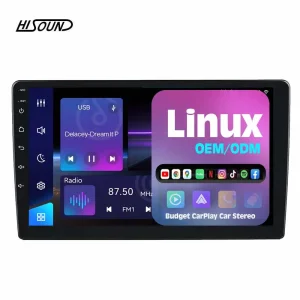
Furthermore, Chinese suppliers have pioneered direct component integrations, such as dual Bluetooth systems that allow marine users to stream audio from their mobile devices while concurrently transmitting remote microphone controls to waterproof headsets. By utilizing standardized automotive-grade microprocessors from suppliers like Rockchip, Allwinner, and Unisoc, these factories deliver highly responsive operating systems (such as customized Linux or Android 12/15 architectures) that feature rapid boot capabilities, DSP tuning controls, and robust GPS positioning algorithms.
We optimize marine and specialty vehicle infotainment setups by adapting raw physical and digital parameters to match target environmental and vehicle specifications.
Customize screen size, resolution, brightness, touch panel, waterproof structure, and mounting design to match your specific vehicle or marine cabin layout requirements.
Tailor maps, navigation UI, voice guidance protocols, offline marine charts routing, and geo-fencing vehicle management capabilities for varied field operations.
Customized mounting brackets, CAN-bus decoding, wiring harnesses, and specialty interfaces optimized for golf carts, shuttle vehicles, resort transport, and open-cockpit boats.
Private-label hardware housings, custom brand boot animations, customized firmware UI styles, and customized premium retail packaging with lifetime engineering support from prototype to scale.
Sourcing robust marine stereos requires navigating complex technical parameters. Under Google's E-E-A-T guidelines, verified manufacturer expertise is defined by real-world testing and materials selection. Below are the key engineering specifications that professional procurement teams must evaluate before selecting an OEM partner:
Standard consumer car stereos quickly fail in marine environments due to salt spray corrosion. Marine electronics must utilize ASTM B117 salt spray certified components. Housings are typically molded from UV-stabilized PC/ABS alloys that resist structural yellowing and cracking under constant UV exposure. Heat sinks must be built from anodized aluminum or specialized thermal polymers to prevent galvanic corrosion when in contact with moisture.
For open console vessels, motorcycles, and utility transport vehicles, standard sealing rings do not provide sufficient protection. High-end Chinese manufacturers use a specialized pressure-bonded liquid adhesive injection system. Liquid PU adhesives are robotically dispensed along the interfaces of the display assembly, ensuring a consistent seal that stands up to high-pressure washdowns (IPX6) and deep submersion (IPX7 and IPX8).
To deliver true sunlight-readable performance, screen modules must utilize high-efficiency LED arrays producing at least 800 to 1200 nits of brightness. Furthermore, Optical Clear Adhesive (OCA) full lamination is critical. By filling the internal air gap between the touch sensor panel and the LCD layer, OCA lamination minimizes internal reflections, boosts screen contrast by up to 400%, and eliminates internal condensation issues in high-humidity climates.
From defining technical specifications to final mass production, we ensure absolute quality control and software optimization at every stage.
Define your target vehicle application, display size requirements, navigation systems, waterproof ratings, mounting bracket interfaces, and private label branding needs.
Our dedicated engineering department designs the tailored hardware chassis, custom PCB layouts, wire harnesses, software firmware, and UI configurations based on your technical brief.
Assemble early engineering prototypes to perform rigorous waterproof tests, thermal stress evaluations, high-frequency vibration testing, and physical vehicle fits before volume production.
Transition validated samples into high-capacity automated production lines with ongoing quality control audits, customs clearance logistics, and post-sales technical support.
Modern B2B buyers integrate smart navigation stereos into a wide variety of commercial transportation fleets, outdoor recreation lines, and marine environments. The demand is divided across several localized use cases:
In all these configurations, integrating dual Bluetooth connections, robust external GPS antennas, and clear AHD camera inputs provides critical assistance for low-speed maneuvers, vehicle parking, and marine docking.
Each production batch undergoes extensive physical testing, including thermal stress tests, vibration tests, and water submersion testing, in our ISO-certified facilities.
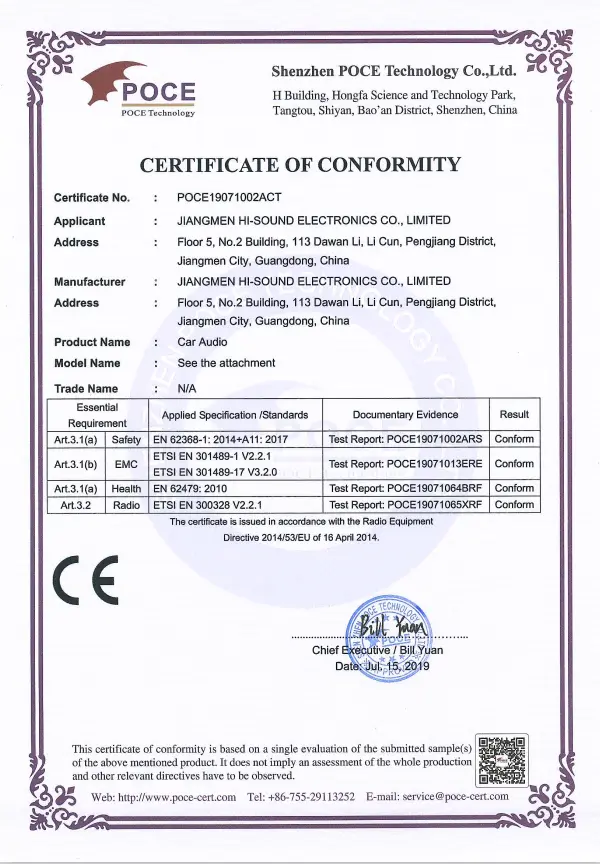
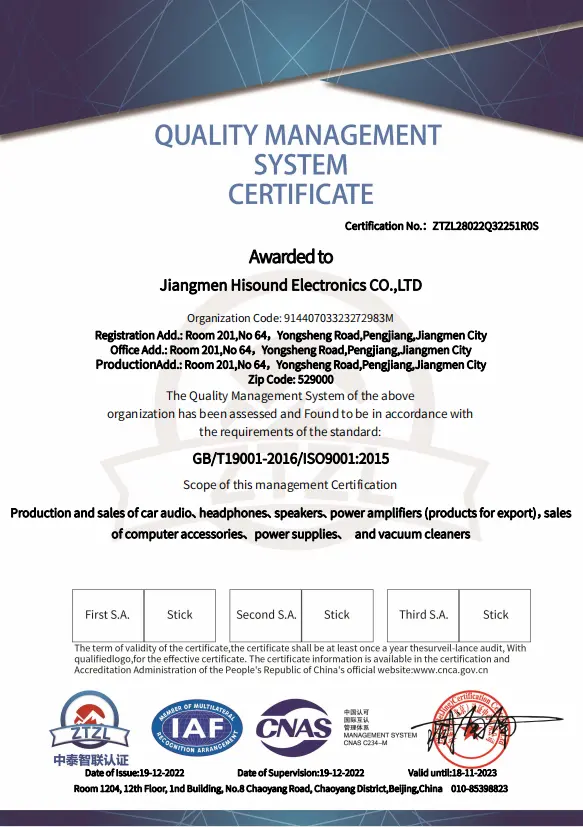
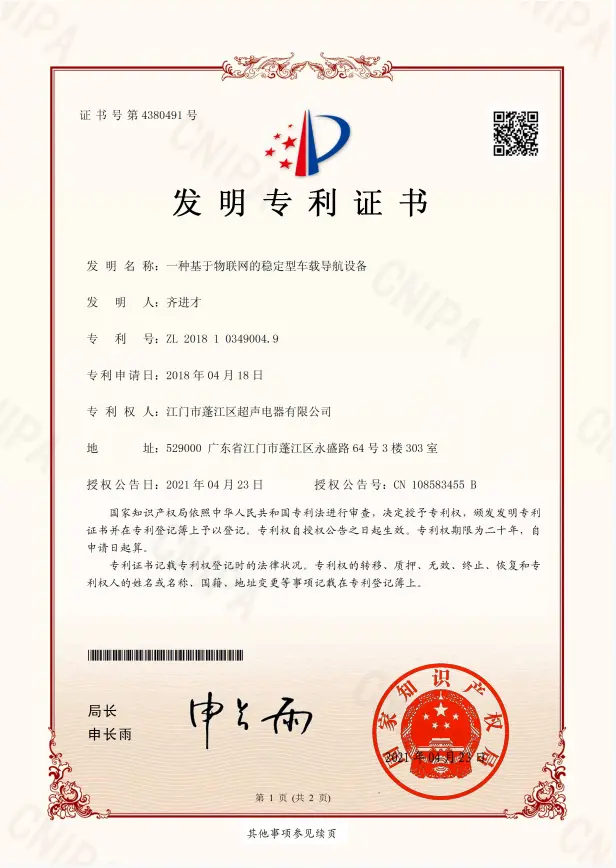
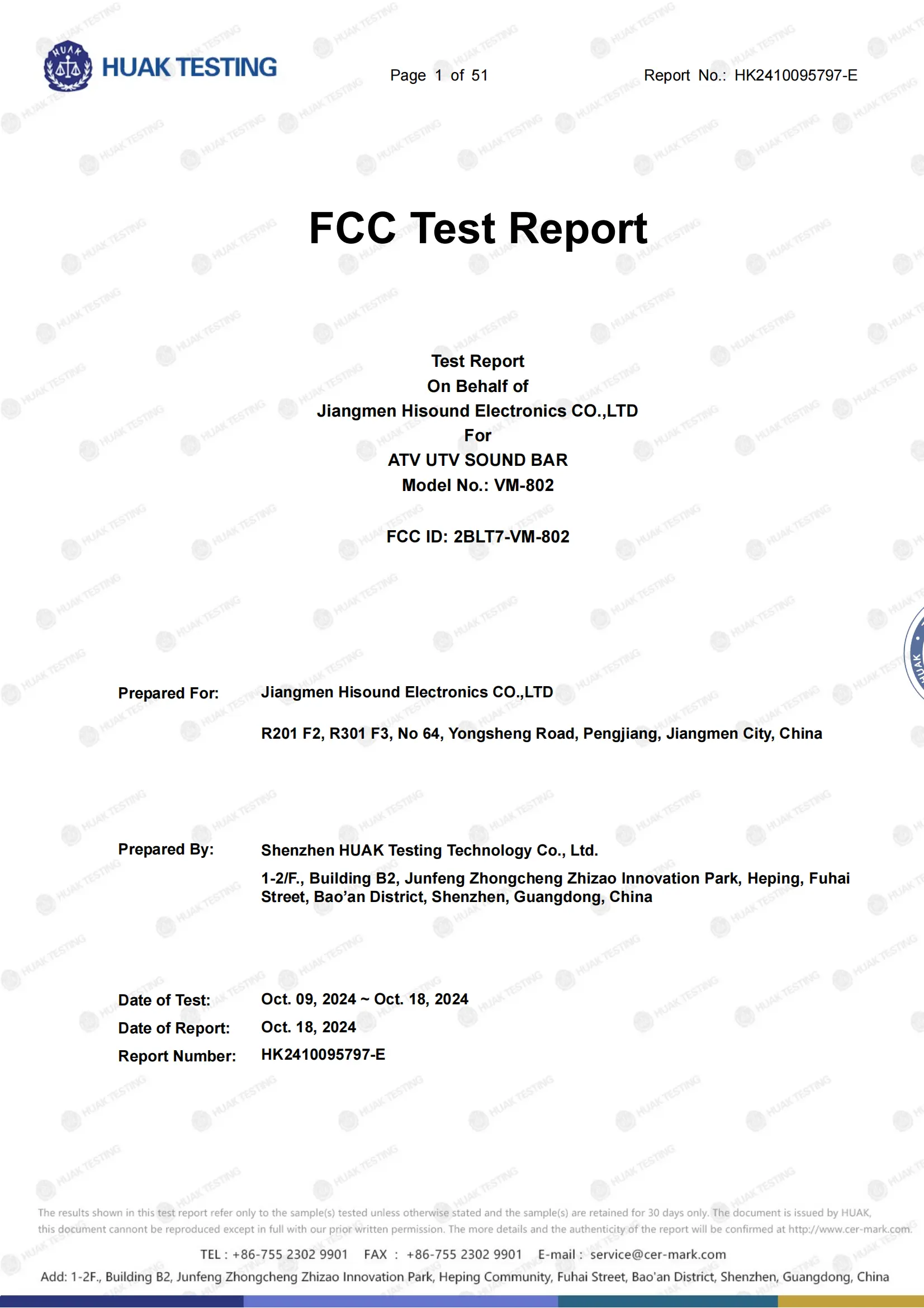
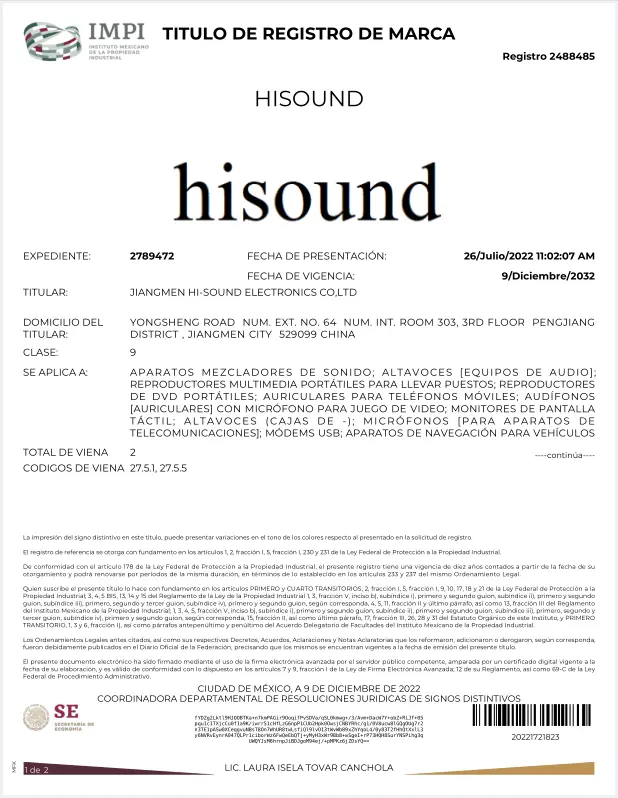
Our modern manufacturing facility utilizes automated SMT assembly lines, ultrasonic welding machines, high-pressure defoaming chambers, and laser printing machines for branding. Every component is subjected to strict functional testing and multi-hour burn-in cycles to guarantee long-term field reliability.
Founded in 1979, the enterprise has accumulated over 44 years of development experience, establishing itself as a global player in technology R&D and brand operations. Our dedicated team is committed to growing alongside our global partners, building long-term relationships based on integrity, reliable delivery, and strict quality control.
To help sourcing managers find the right supplier, it is essential to understand the technical components that differentiate high-grade marine stereos from standard consumer car audio devices:
Modern open-air vehicle cockpits are vulnerable to electronics theft. Top-tier ODM factories offer patented detachable main unit designs that allow operators to slide out the core display module and store it securely when not in use. Additionally, integrating a built-in DVR (Digital Video Recorder) dashcam eliminates the need for separate wiring. This saves installation space on crowded helm consoles and provides clear video recording for insurance and safety compliance.
Marine navigation cannot rely on standard cellular triangulation. True marine-grade stereos utilize multi-satellite positioning modules that track GPS, GLONASS, Galileo, and Beidou constellations concurrently. This ensures high-accuracy positioning even in remote waters far from cellular towers. Built-in active patch antennas preserve strong signal locks despite interference from cabin roofs and heavy overhead radar towers.
Open water generates substantial ambient noise from wind, waves, and engines. Standard audio amplifiers distort sound when driven at high volumes to overcome this noise. High-performance units feature a built-in 32-Bit Digital Signal Processor (DSP). This allows installers to tune audio outputs for outdoor environments, using multi-band parametric equalization, time alignment, and active crossovers to keep sound clear and powerful even at cruising speeds.
Select B2B direct supplies featuring advanced touch screen interfaces, robust OS support, and IP-rated chassis customized for global automotive and specialty transport markets.
This B2B buying guide addresses the primary technical questions asked by purchasing agents, distribution partners, and manufacturing buyers during the factory evaluation stage.
 Hisound carAudio