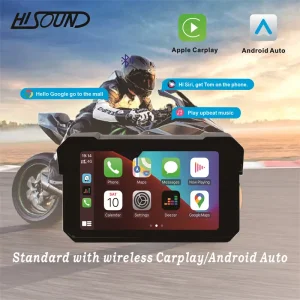
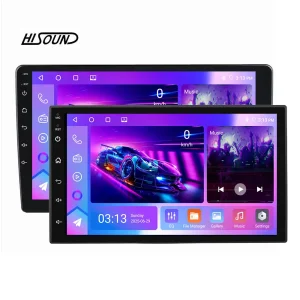
Explore our top-performing vehicle infotainment, GPS navigators, and MP3 interfaces from qualified global production lines.
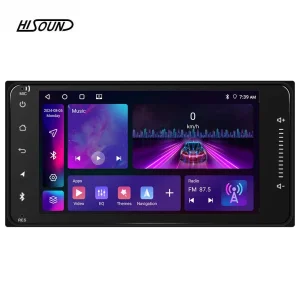
Analyzing the paradigm shift toward highly integrated, software-defined vehicle acoustics and connectivity.
The global automotive aftermarket is undergoing an unprecedented digital transition. Traditional car stereos, once evaluated purely on basic audio amplification and standard AM/FM tuners, have transformed into highly complex digital cockpits. Today's dynamic automotive audio ecosystem relies heavily on real-time operating systems (RTOS) like automotive-grade Linux and high-performance Android architectures (up to Android 15), delivering seamless user experiences through high-definition visual processing, wireless connectivity protocols, and multi-channel Digital Signal Processing (DSP).
Key drivers behind this market evolution include the demand for continuous smartphone integration via Wireless CarPlay and Android Auto, along with high-brightness display laminations like 2.5D IPS. Furthermore, modern consumers demand unified vehicle control systems, requiring car stereos to interface natively with vehicle CAN-bus structures to read air conditioning statuses, reverse camera inputs, and steering wheel operations. As a result, global procurement departments must focus on finding suppliers capable of delivering agile hardware engineering alongside robust software upgrade support.
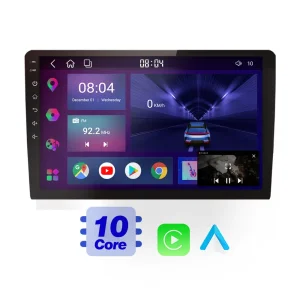
System-on-Chip (SoC) architectures are transitioning from standard Quad-core platforms to 10-core platforms featuring up to 4GB RAM and 64GB ROM running Android 15 to handle dual-zone navigation, multimedia decoding, and real-time DSP filters without system latency.
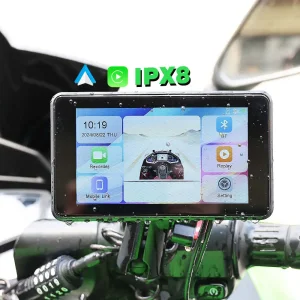
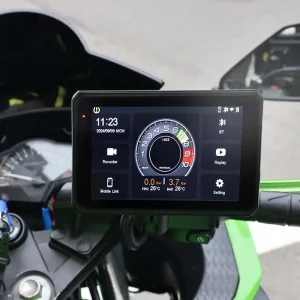
Outdoor segments, particularly premium adventure motorcycles and utility vehicles, require robust weather-proofing. IPX8-grade sealed housings, integrated high-pressure defoaming adhesives, and anti-glare coatings have become standard procurement requirements.
Key considerations for supply-chain directors managing volume-based automotive infotainment components.
B2B buyers frequently face critical challenges when sourcing branded car stereos: inconsistent component supply chains, variable firmware stability, lack of regulatory certifications, and hidden software licensing fees. When analyzing supplier quotes and pricelists, it is vital to evaluate more than just the base Bill of Materials (BOM) cost. A comprehensive Total Cost of Ownership (TCO) analysis must account for local compliance, warranty programs, and customization engineering hours.
| Procurement Category | Technical Parameters | Critical Sourcing Checkpoints | Pricing Impact Factors |
|---|---|---|---|
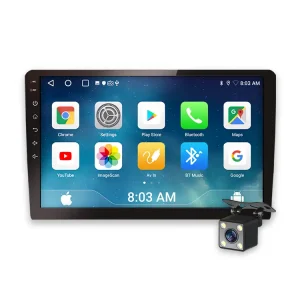
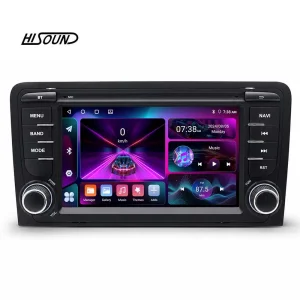
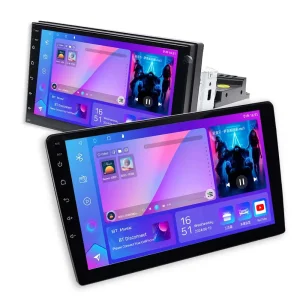
| Android Head Units | 7 - 13 inch screens, Android 15, RAM 2GB-4GB, ROM 32GB-64GB, DSP | Ensure Google GMS certification status and Bluetooth dual-connectivity stability. | SoC Chip model, RAM/ROM capacity, custom UI development. |
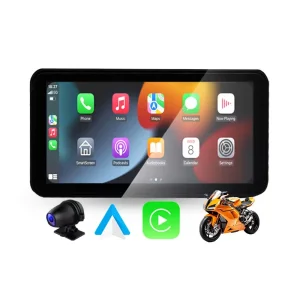
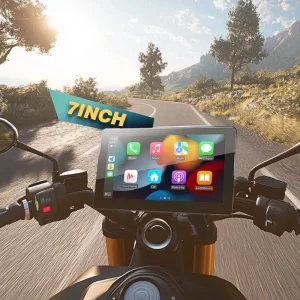
| Motorcycle Navigation | 5 - 7 inch screens, IPX8 waterproofing, high-brightness (up to 1000 nits) | Validate vibration endurance limits and high/low temperature operation. | Full-lamination process, built-in dual 2K DVR cameras. |
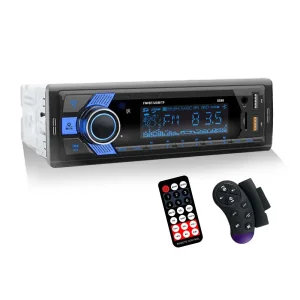
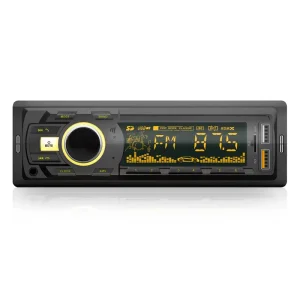
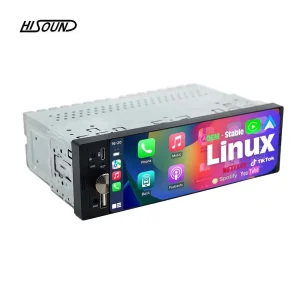
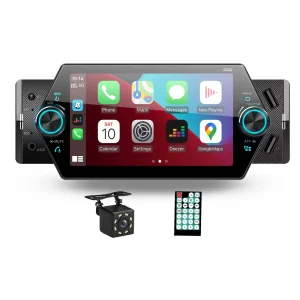
| 1-DIN / 2-DIN Audio | Single DIN MP3/MP5 players, private-mold plastic structures | Confirm physical interface durability and Bluetooth pairing speed. | Private mold exclusivity, licensing of Bluetooth codecs. |
Many lower-tier manufacturing companies provide quotes that exclude the licensing fees for CarPlay, Android Auto, and Dolby DSP codecs. To secure clean border customs clearance and avoid patent infringement issues, global buyers must request clear confirmation of licensing rights from their factory suppliers.
Custom software engineering and hardware design-in services for diverse transport applications.
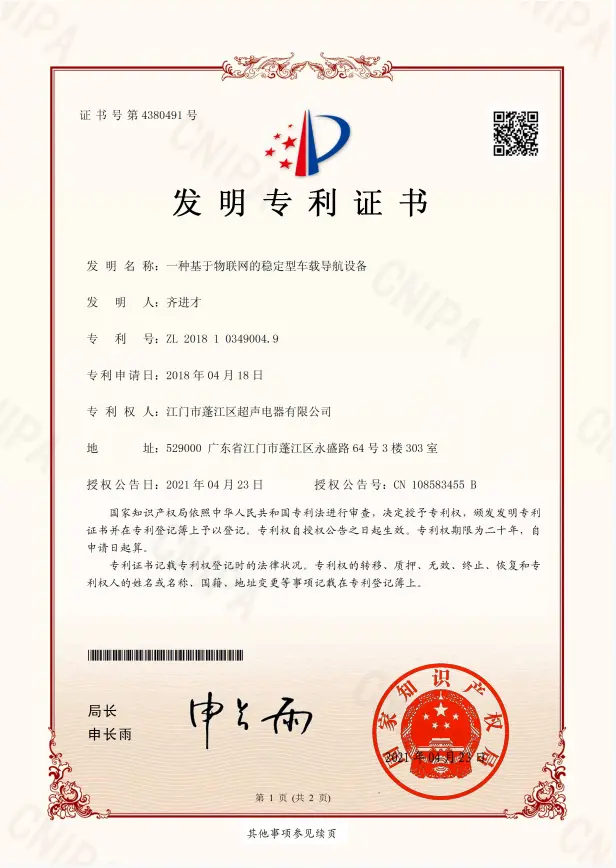
Our engineering divisions configure screen sizes, glass panels, nit levels, and outer enclosures to match harsh vehicle environments. For specialty fleets, we design customized mounting structures and impact-resistant brackets to ensure high mechanical stability.
We customize maps, UI styles, voice commands, and remote fleet tracking interfaces. Systems are tailored to run reliably on Linux or Android Automotive OS depending on the security requirements of your specific application.
We provide a complete OEM/ODM solution: private-label custom cases, laser-printed logo marks, customized startup animations, and bespoke corporate packaging with full engineering assistance throughout the product lifecycle.
Ensuring compliance, signal integrity, and structural durability under rugged operation environments.
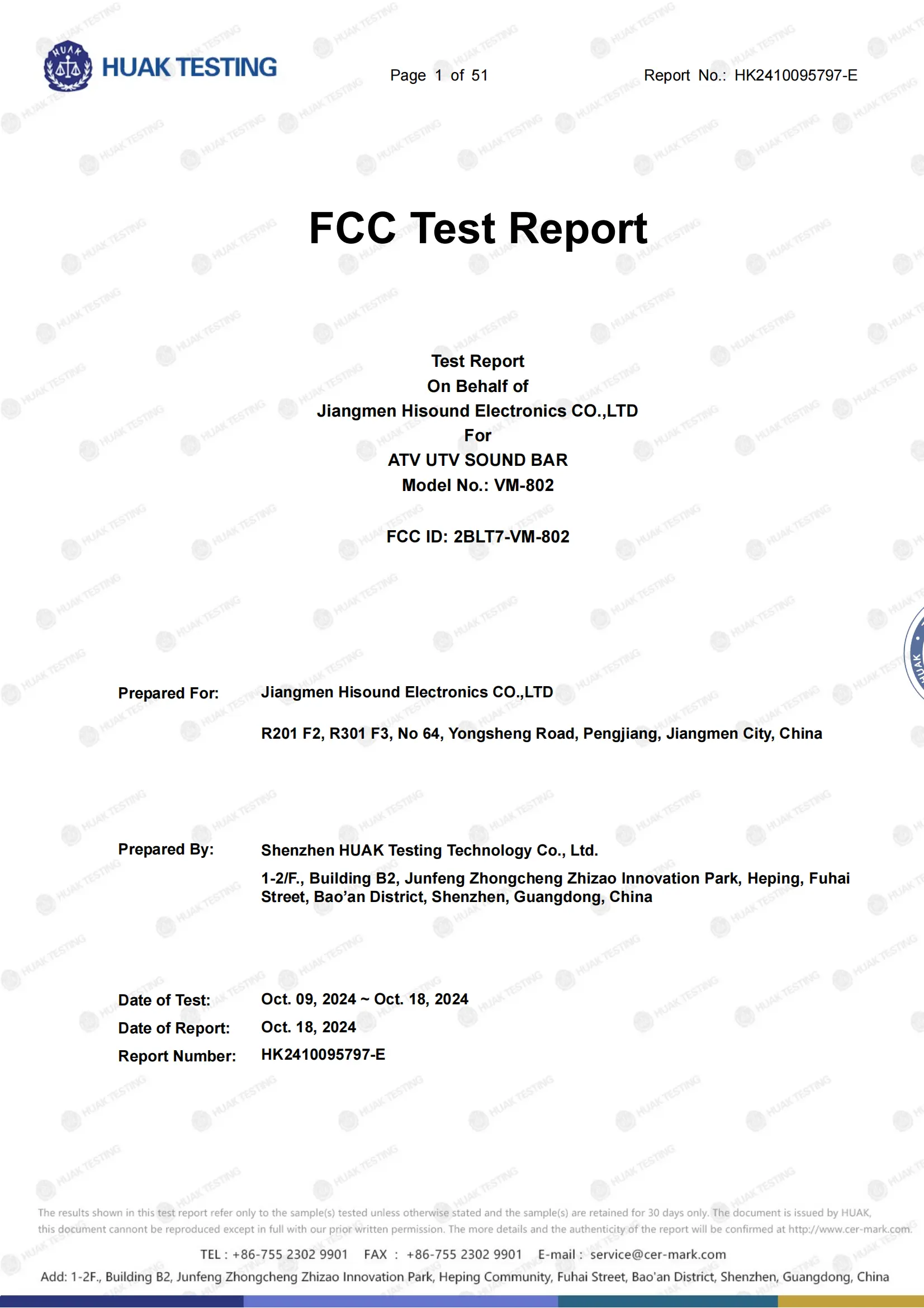
Every infotainment product must undergo a rigorous sequence of physical and electrical testing procedures prior to dispatch. To maintain quality and reliable operation in extreme climates, we conduct high-temperature baking and thermal shock tests alongside high-frequency mechanical vibration simulation.
Our motorcycle systems feature superior waterproofing integration. Using imported foam adhesives, precise automated glue application, and high-pressure defoaming chambers, we eliminate micro-bubbles within display layers. This ensures a hermetically sealed assembly that easily complies with international IPX8 ingress protection benchmarks.
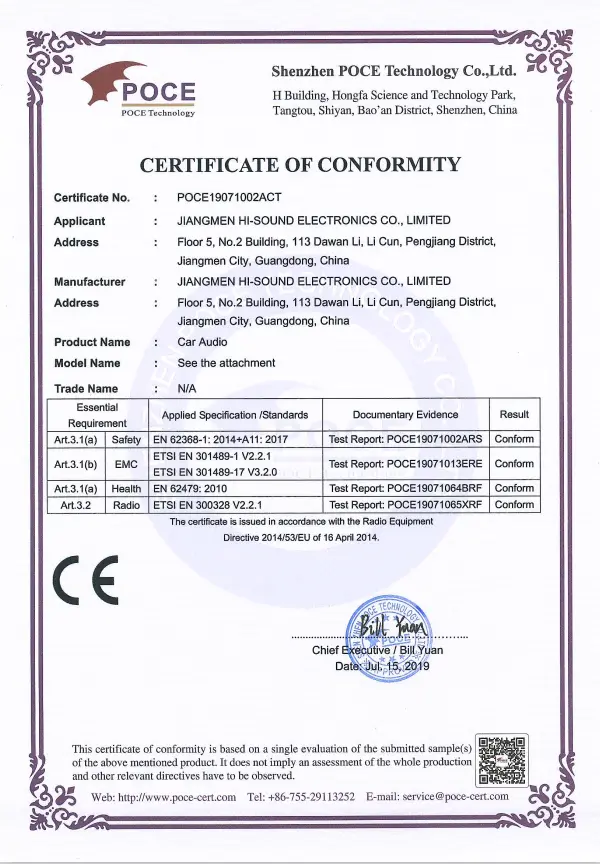 CE Mark
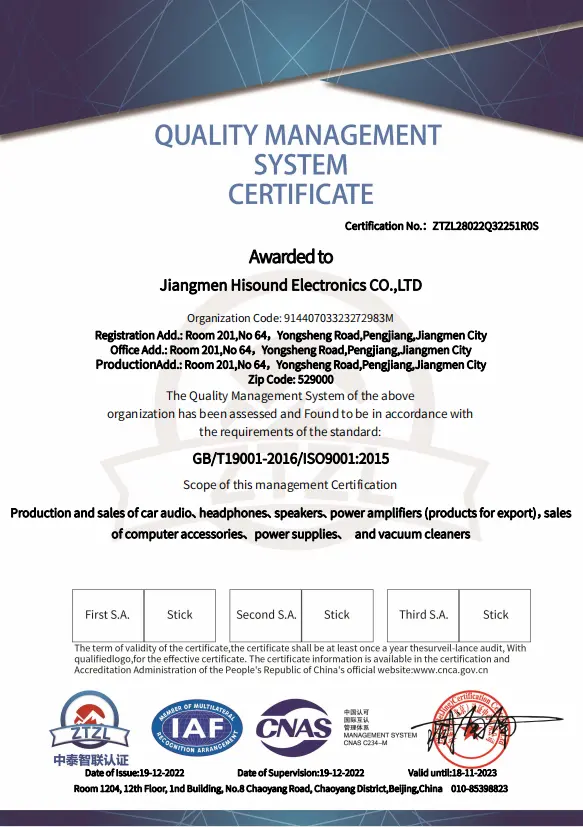 E-Mark / EMC
 FCC Compliance
 RoHS Green
 ISO 9001
Leveraging 44 years of design-to-delivery expertise in the global car audio manufacturing industry.
Founded in 1979, Hisound has built over 44 years of development experience. We have evolved into a competitive enterprise specializing in advanced technology research and development, brand operation, and global platforms. In 2004, the REFINE Rui feng brand was officially established to focus on high-performance automotive and motorcycle multimedia units.
At Hi-Sound, we focus on growing alongside our partners, building long-term, trustworthy relationships based on integrity and mutual success. Whether supporting small independent distributors or multinational OEMs, we combine competitive volume pricing and fast shipping cycles with strict quality control so every customer feels confident selecting our solutions.
Map display sizes, CAN-bus integration, GPS requirements, and branding configurations.
Assemble working samples, perform high-pressure waterproofing checks, and verify GUI functions.
Run high-speed surface mounting (SMT), laser logo etching, and automated aging tests.
Checking audio channels, Bluetooth connectivity, and GPS signal strength.
Continuous power load stress tests to guarantee electronic component stability.
Precision laser logo marking for customized white-label components.
Submerging outdoor display modules under high-pressure water streams.
Predicting the technological shifts driving the next decade of digital automotive sound design.
The car stereo is no longer just a passive playback device; it is rapidly becoming the central processor for localized AI services inside the vehicle. Future technology roadmaps indicate that next-generation infotainment head units will incorporate dedicated Neural Processing Units (NPUs) directly onto the main motherboard. This hardware enhancement will enable local, low-latency voice command recognition without requiring active cellular network connections.
Furthermore, cloud-based Over-The-Air (OTA) updates will become standard. This allows fleet operators and vehicle distributors to update system firmware, adjust DSP audio profiles, and roll out security patches remotely. Combined with V2X (Vehicle-to-Everything) communication frameworks, future smart systems will display real-time safety warnings directly on the driver’s instrument cluster or motorcycle rider's navigation screen, creating a safer and more connected driving experience.
Answering common questions about ordering, hardware customization, certifications, and volume pricing.
Explore our complete lineup of car multimedia systems, single DIN MP5 decks, and specialty motorcycle screens.
 Hisound carAudio