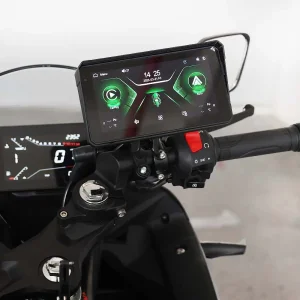
High-fidelity automotive hardware engineered for commercial fleets, motorcycles, ATVs, and off-road applications.
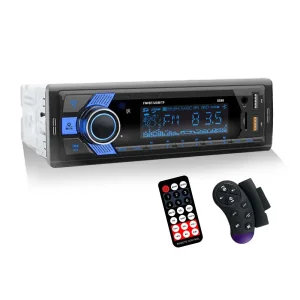
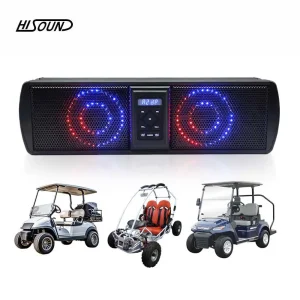
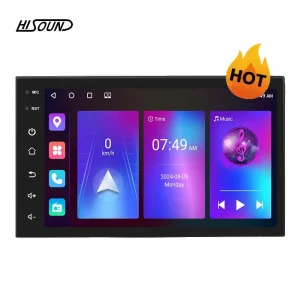
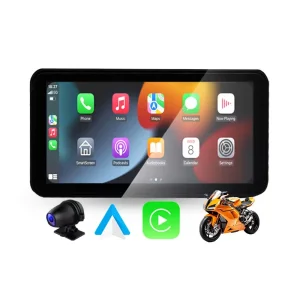
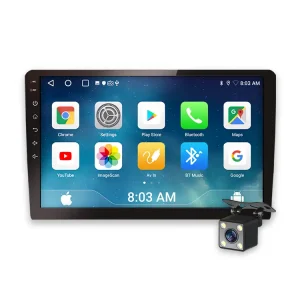
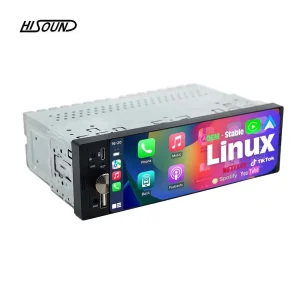
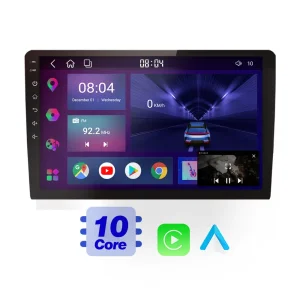
Decades of manufacturing excellence backing enterprise operations worldwide.
As logistics ecosystems scale and vehicle telematics merge with in-cabin hardware, commercial fleet audio solutions are no longer simple aftermarket upgrades. They have evolved into critical enterprise hubs that link drivers to control centers, navigate harsh terrains, and integrate seamlessly with corporate Fleet Management Systems (FMS). Whether deploying devices across municipal transit lines, delivery trucks, utility utility vehicles, or long-haul freight operations, finding the correct OEM/ODM manufacturer is essential to reduce total cost of ownership (TCO) and ensure multi-year product cycles.
For global procurement managers, identifying the top suppliers of vehicle audio solutions requires balancing custom design engineering capabilities against the logistical efficiency of Chinese factory clusters. Hardware reliability, hardware compatibility (such as CAN-Bus J1939 protocols), and high-reliability waterproofing are key considerations during product testing.
Modern fleet operations demand that cabin hardware delivers more than audio playback. The standard fleet vehicle cockpit requires consolidated solutions that handle route telematics, vehicle diagnostics, operator alerts, and high-brightness displays. Fleet sourcing officers are shifting towards:
South China’s manufacturing hubs, particularly in Shenzhen and Dongguan, continue to dominate the global supply of automotive electronics. Partnering with localized Chinese manufacturers offers clear advantages:
From preliminary project design requirements to field validation and mass production.
Customize touch panel dimensions, panel resolution, anti-glare coatings, and high-pressure defoaming waterproof structures to match challenging operating environments.
Optimize proprietary navigation systems, voice guidance architectures, dynamic route mapping, and fleet management software layers to interface with corporate servers.
Incorporate customized mounting brackets, vibration-damping systems, specialized wire harnesses, and CAN-bus protocol decoders for utility trucks, golf carts, and specialty transit fleets.
Ensure brand consistency through custom private-label housings, custom system startup logos, unique user interface overlays, and retail or bulk packaging designs.
Run designs through rigorous thermal chamber testing, vibration testing table cycles, and water ingress testing stations before moving into full production.
Scale manufacturing seamlessly with end-to-end quality assurance, comprehensive technical documentation, and long-term hardware support lifecycles.
A direct architectural comparison between different grades of in-vehicle infotainment units.
| Feature Category | Standard Consumer Grade | Commercial Fleet Grade | Rugged Outdoor/Motorcycle |
|---|---|---|---|
| Enclosure Protection | Standard plastic housing (No IP Rating) | Vibration-resistant ABS (IP54) | Sealed, optically bonded IPX8 Aluminum Alloy |
| Operational Temp | -10°C to 60°C | -20°C to 70°C | -40°C to 85°C (Extreme Thermal Shock Proof) |
| OS & Connectivity | Basic Linux / Single Bluetooth | Multi-Core Android / Dual Bluetooth / WiFi | Custom Linux/Android, Dual Bluetooth Audio channels |
| Display Visibility | 350-500 nits (Glare susceptible) | 600-800 nits (IPS Anti-glare coating) | 1000+ nits (Optically bonded, 2.5D glass) |
| Power Protection | 12V Standard Fuse | 9V-36V Wide Input, transient surge protection | High-efficiency low-draw smart battery protection |
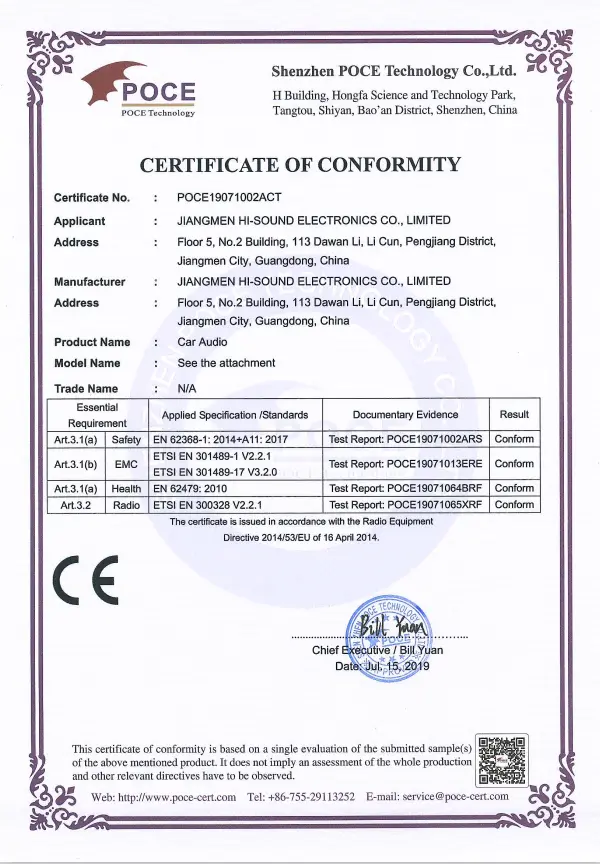
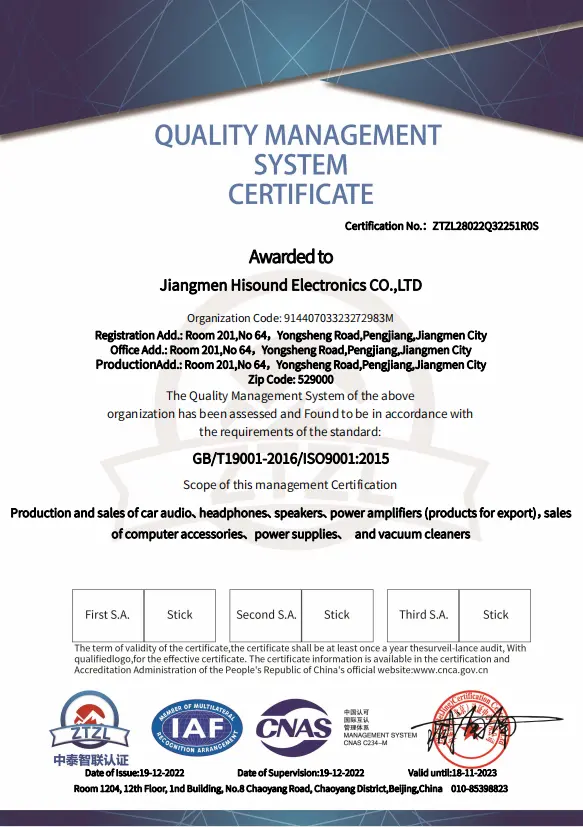
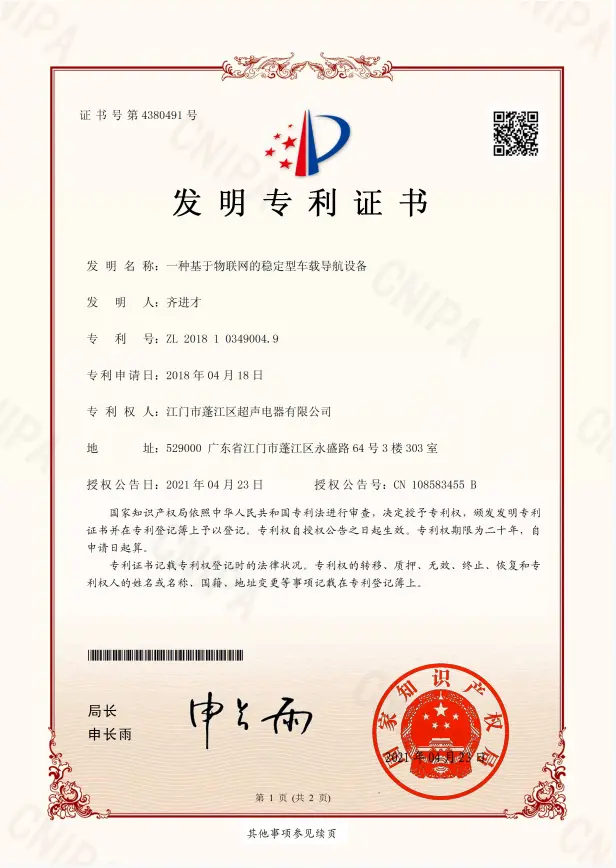
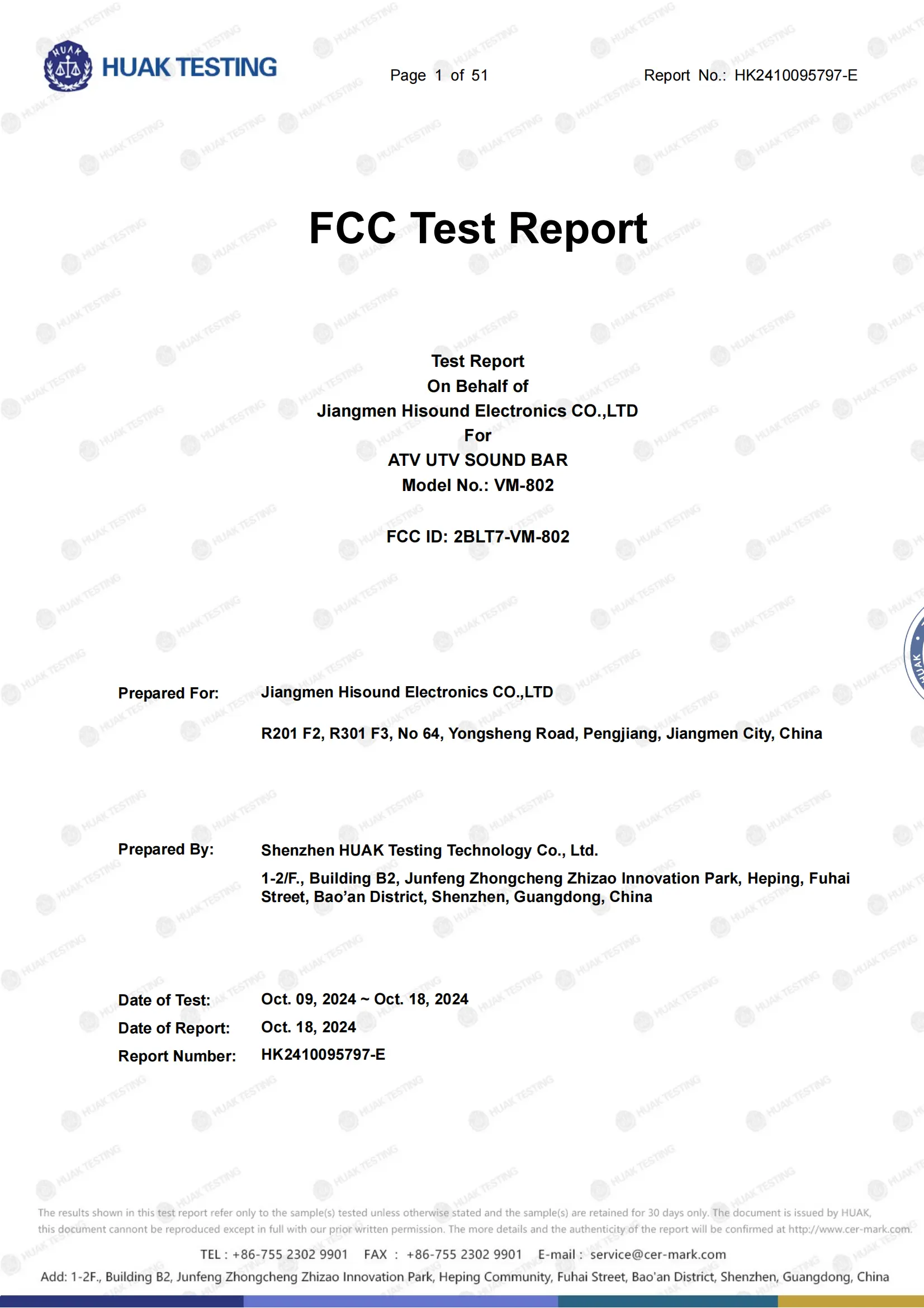
Sourcing electronic equipment globally requires navigating complex regulatory standards. A key differentiator between tier-one fleet vehicle audio manufacturers and lower-quality suppliers is the certifications they hold. Sourcing officers must ensure that their factories are fully certified under the following standards:
To choose the right hardware, buyers must evaluate the specific challenges of different fleet environments:
Delivery fleets require systems that can handle frequent stops and constant device charging. Integrated navigation screens must withstand frequent power cycles and support quick connection to driver handhelds. This is typically achieved through dual-band Wi-Fi and high-efficiency Bluetooth modules, which streamline dispatch messaging and dynamic routing.
Vehicles operating in construction, municipal maintenance, or agricultural sectors require heavy-duty hardware. These environments demand screens that remain readable in direct sunlight (at least 800 nits) and display panels that are protected against dust and water ingress (IP65 or higher). Optically bonded displays are ideal here, as they prevent condensation from forming behind the screen glass when exposed to rapid temperature drops.
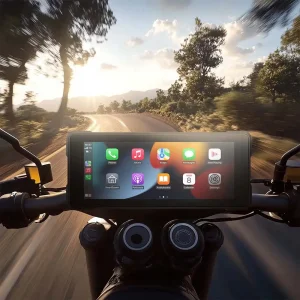
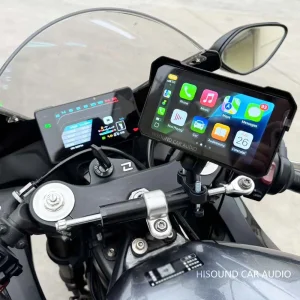
Two-wheel fleet dispatch units require specialized, highly durable hardware. These systems must be fully waterproof (IPX8 rated) to survive heavy rain, feature tactile physical controls or highly responsive touchscreen panels that work with gloves, and include vibration-damping brackets to protect the internal circuitry from engine and road vibrations.
Rigorous testing methodologies that ensure reliability across our entire product line.

A standardized assembly, testing, and distribution pipeline built to fulfill large-scale enterprise contracts.
Initial testing checks component logic gates, processor stability, and memory bus speeds before final PCB assembly.
High-precision laser equipment engraves serial numbers, logos, and compliance certification symbols directly onto the product chassis.
Automated assembly lines securely join components using high-pressure defoaming adhesives to ensure watertight housing seals.
Finished head units run active firmware cycles inside high-temperature chambers for 24 to 48 hours to confirm electrical reliability.
Expert technical answers to common questions asked by hardware buyers, procurement managers, and systems integrators.
How procurement managers and fleet integrators rate our hardware performance, quality control, and engineering support.
"We deployed over 1,500 7-inch Android head units across our regional delivery fleet. The units integrated seamlessly with our custom routing app, and hardware failures have remained below 0.1% over a two-year operating window."
"Finding a supplier that offers true IPX8 waterproof motorcycle navigation screens was a major challenge. Hisound delivered a private-mold solution that remains fully readable in direct sunlight, and their quality control is backed by robust certification."
"The custom UI branding and dynamic system boot animation options allowed us to integrate our proprietary fleet portal easily. Working directly with their factory engineers saved us months of development time."
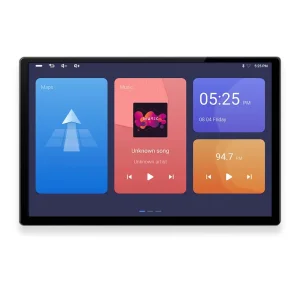
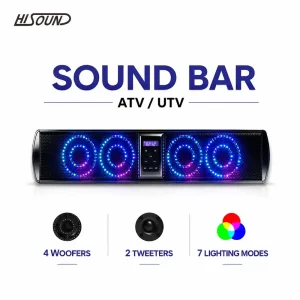
Select from our certified range of in-vehicle infotainment units and rugged navigation displays.
 Hisound carAudio