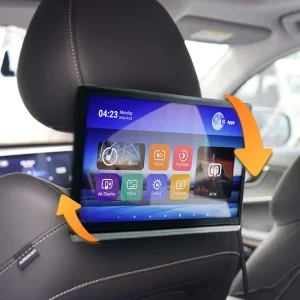
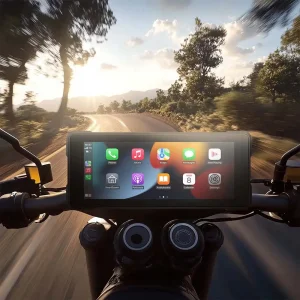
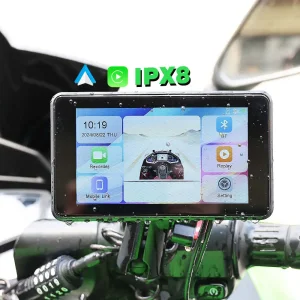
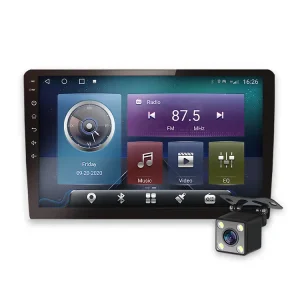
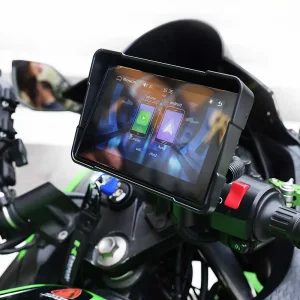
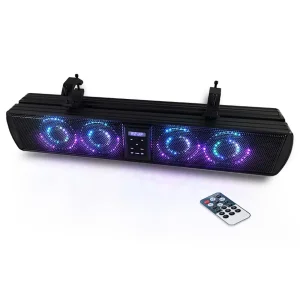
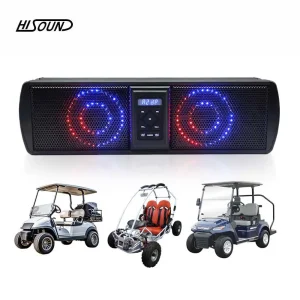
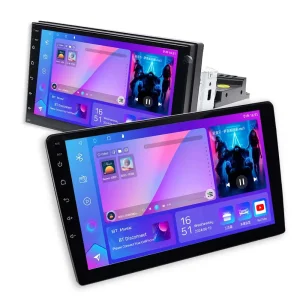
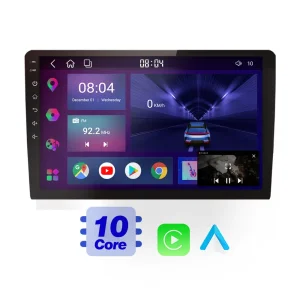
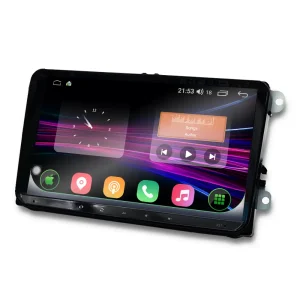
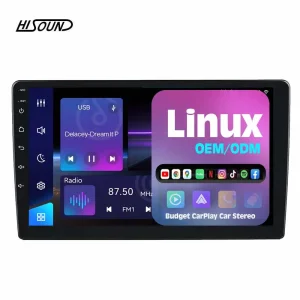
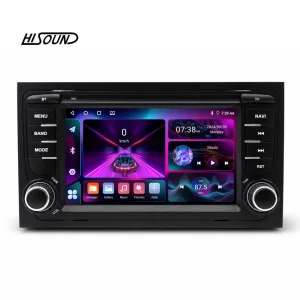
The demand for rugged, high-performance waterproof navigation displays has experienced explosive growth over the last decade. Historically, marine vessel operators and specialized heavy machinery industries were the sole consumers of rugged display tech. Today, the democratization of recreational off-road transit (ATVs, UTVs, side-by-sides), dual-sport motorcycling, municipal golf cart fleets, and agricultural automation has created a massive global footprint for touch-sensitive screens capable of operating under punishing ambient conditions.
From a macro perspective, the globalization of supply chains has shifted manufacturing hubs toward advanced production lines in Asia, primarily southern China, where factories combine vertical supply integration with rapid prototyping capabilities. The core market drivers for these displays center around safety, connectivity, and durability. Industrial buyers, commercial fleet managers, and hardware exporters require solutions that do not fail when exposed to duststorms, torrential rain, high vibration, or extreme temperatures ranging from -20°C to +70°C.
Modern commercial operators are transitioning away from simple passive screens toward highly integrated computing terminals. These systems utilize advanced Android and Linux kernels to aggregate GPS positioning, localized maps, real-time DVR security recording, engine diagnostics via CAN-bus interfaces, and media casting (via wireless Apple CarPlay and Android Auto). This convergence of technologies demands strict engineering compliance to prevent electromagnetic interference (EMI) and ensure seamless power delivery across erratic 12V-36V systems common in outdoor utility vehicles.
As a leading engineering partner, we offer four core technical customization pillars designed to take your waterproof navigation display project from conceptual requirements to global market rollouts.
Tailor screen size, resolution (up to 4K Ultra HD), panel brightness (up to 1200 Nits for direct sunlight legibility), anti-reflective/anti-fingerprint coatings, and custom wet-finger capacitive touch controllers.
Customize localized mapping engines, multi-language UI, voice-guided telemetry, route pre-planning, and remote fleet tracking protocols running on secure Android 13/15 or Linux operating systems.
Engineered shock-proof mounting brackets (e.g., RAM-mount compatibility), customized wiring looms, CAN-bus integration, and direct interface harnesses optimized for motorcycles, ATVs, UTVs, and marine consoles.
Fully white-label opportunities including specialized boot-screen animations, custom physical housing molds with laser-etched corporate logos, customized packaging designs, and priority engineering support.
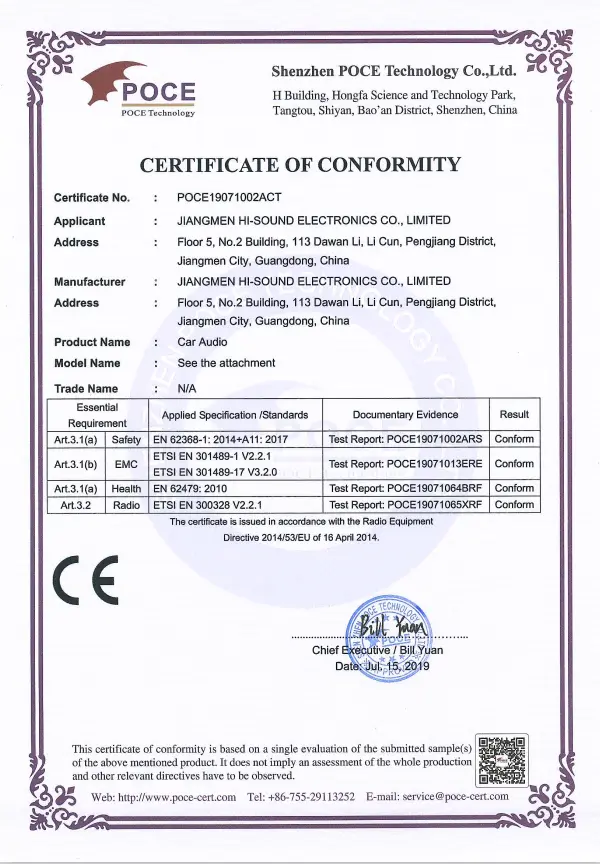
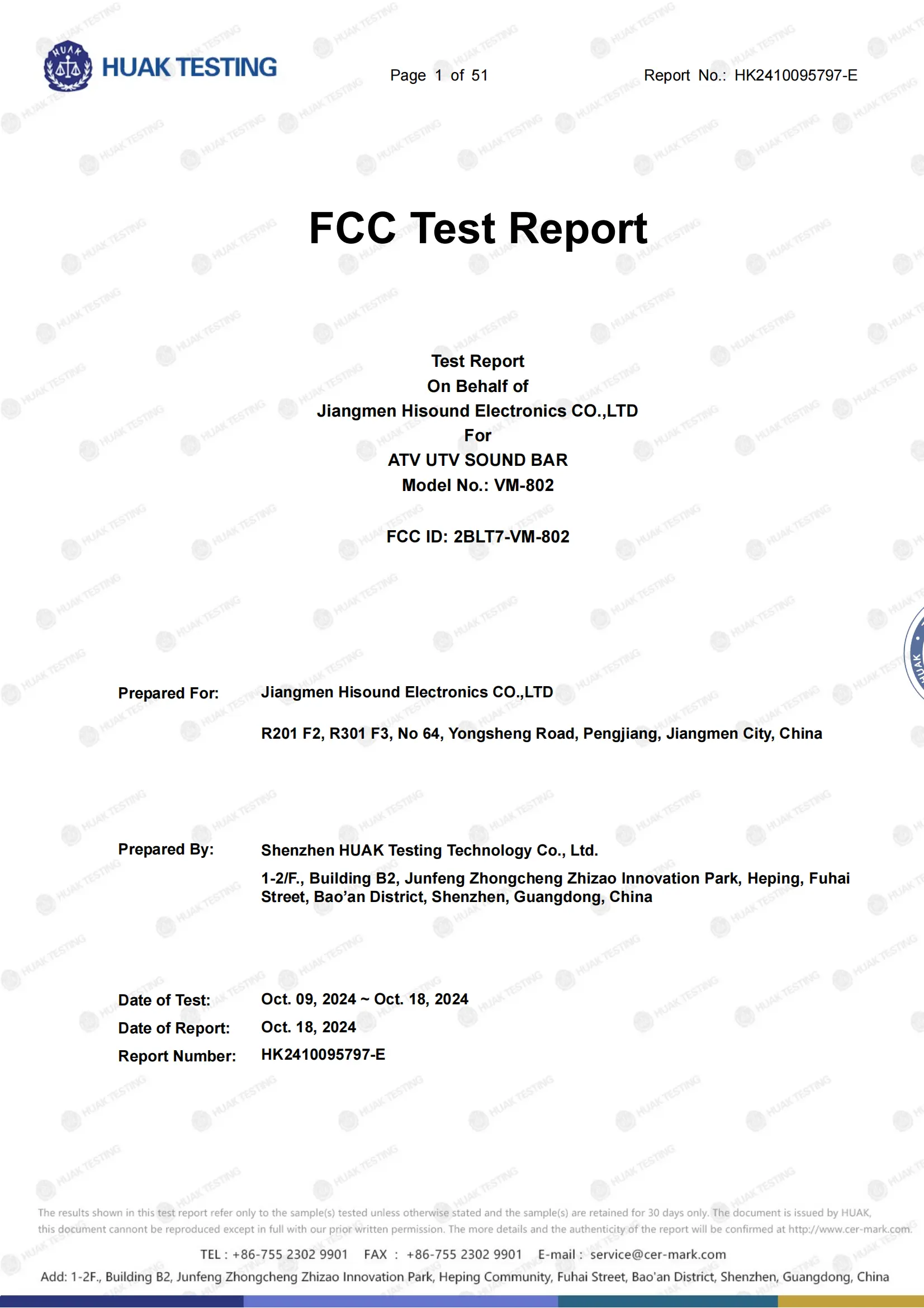
Operating displays globally requires meeting precise municipal, regional, and environmental standards. We ensure our electronics comply with target market specifications to streamline your import and distribution pipelines:
| Target Region | Primary Applications | Required Certifications & Standards | Key Technical Requirements |
|---|---|---|---|
| North America (US & CA) | UTV/ATV trailing, golf cart fleets, marine yachts, off-road recreation | FCC, UL, RoHS, IPX8 waterproofing | High-frequency GPS (10Hz refresh), Bluetooth 5.0 dual channel, rugged anti-vibration mount |
| European Union (EU) | Adventure motorcycle touring, urban scooter mobility, agricultural machinery | CE, E-Mark (automotive conformity), WEEE, RoHS | E-Mark certified wiring harnesses, Galileo satellite positioning, strict low-voltage limits |
| Australia & Oceania | Marine coastal fishing vessels, commercial farming, mining transport | RCM, IP68, salt-spray resistance (ASTM B117) | High salt-fog corrosion protection, UV-stabilized housing polymer, high thermal threshold |
| Asia Pacific | Delivery fleet coordination, tuk-tuks, electric light vehicles | Telec/JATE (Japan), CCC (China), BIS (India) | Cost-effective scale pricing, localized mapping integration, dual Bluetooth routing |
By conducting rigorous in-house environmental validations (including salt fog sprayers, high-impact mechanical drop test benches, and deep immersion chambers), we supply hardware that complies with local retail import laws, minimizing your liability and warranty return rates.
Every navigation display leaving our facility is subjected to a comprehensive quality control cycle, simulating years of exposure to harsh outdoor elements.
High-pressure dust and ingress validation to verify physical frame tightness.
Optical bonding with high-performance OCA/OCR adhesives under vacuum chambers.
Vibration testing mimicking continuous off-road travel and chassis engine resonance.
Environmental aging in high-temperature (70°C) and low-temperature (-20°C) thermal chambers.
Deep water immersion (IPX8/IP68 tests) checking for moisture ingress and display fogging.
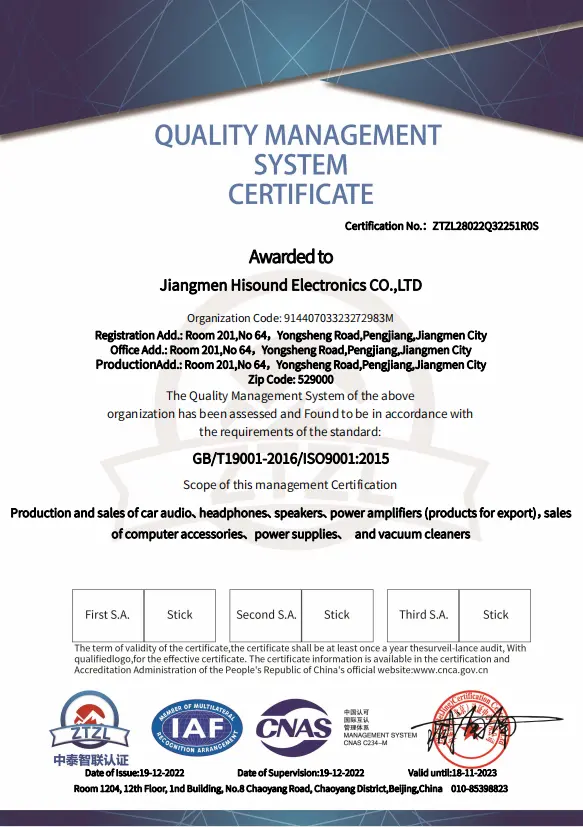
"Our manufacturing facility, founded in 1979, operates with over 44 years of technological R&D, implementing ISO 9001:2015 standards to maintain quality at scale."
The outdoor navigation landscape is evolving rapidly. To maintain a competitive edge, our research and development pipelines target next-generation technologies scheduled for release in upcoming product generations:
 Hisound carAudio