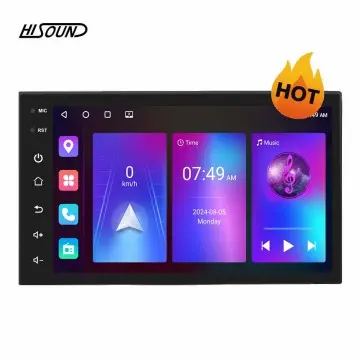
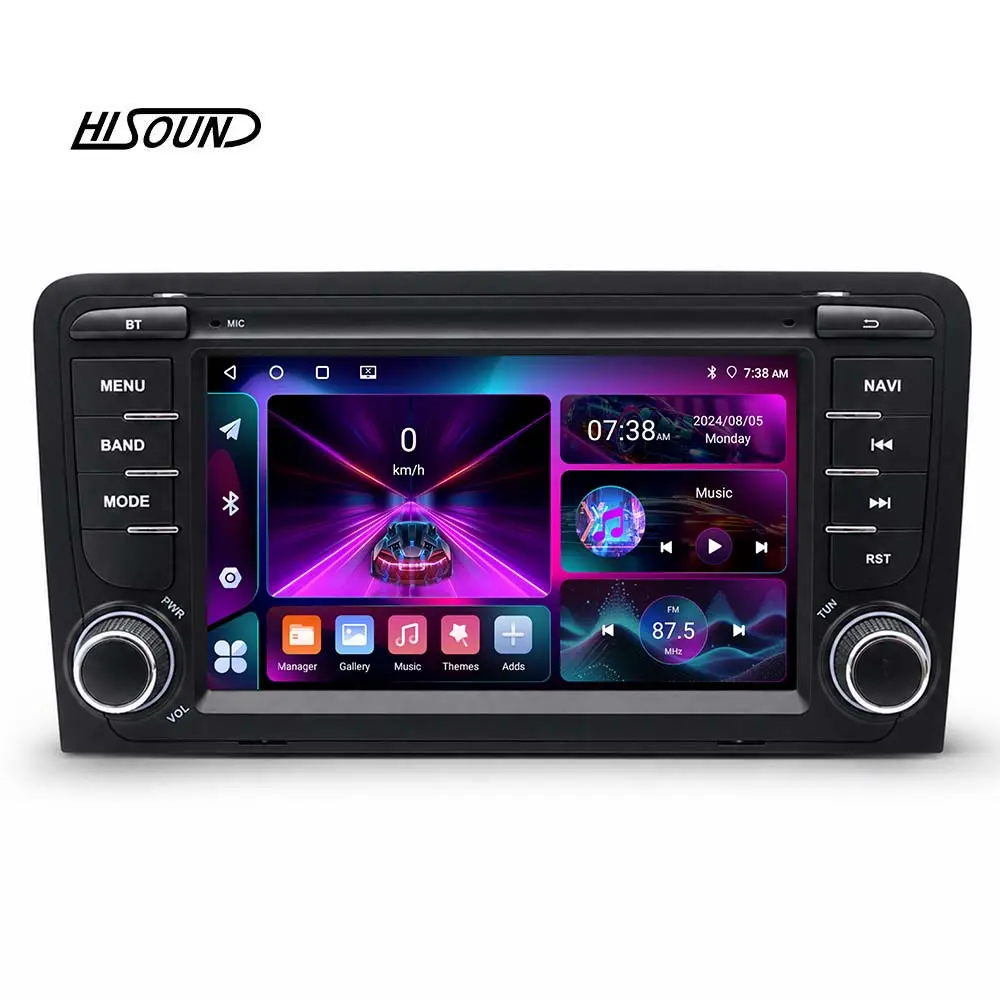
Explore our top-tier exported line of digital media receivers and specialized vehicle controllers, manufactured to global distribution standards.
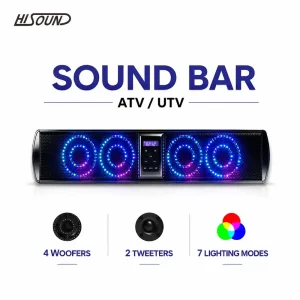
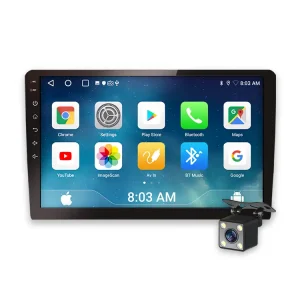
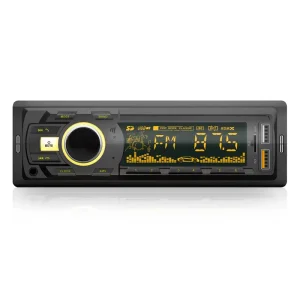
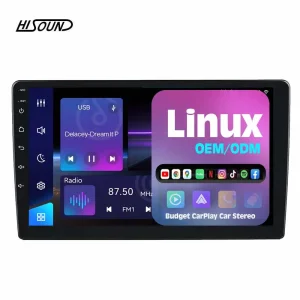
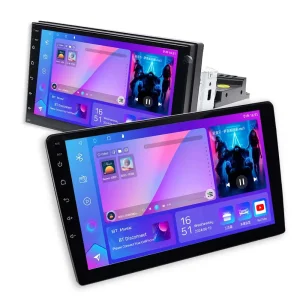
A comprehensive overview of procurement dynamics, structural specifications, and price valuation for institutional buyers and distributors.
The global demand for marine digital media receivers has experienced a significant technological transition. Boat builders, specialty vehicle designers, and fleet operators are migrating away from legacy radio head units to fully integrated digital control centers. Modern shipbuilders and yacht refitting facilities require receiver solutions that do not merely play audio, but serve as centralized control hubs for vehicular environmental systems, navigation, and telematics.
When selecting a reliable marine digital media receiver exporter, procurement managers must evaluate several structural metrics beyond simple unit cost. These include UV degradation thresholds, chemical-resistant silicone keypads, saline exposure resistance, and component redundancy on PCBs. The cost structure of these components is primarily determined by internal circuitry protection (such as polyurethane conformal coatings), physical LCD assembly (air bonding vs. full optical lamination), and licensing (e.g., Apple CarPlay, Android Auto, and NMEA certification protocols).
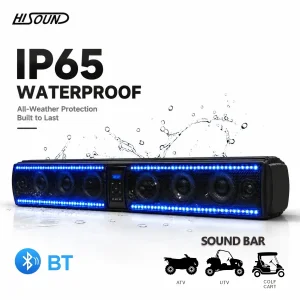
In modern maritime and power-sports engineering, media systems are integrated directly into the dashboard ecosystem. Our macro solutions prioritize cross-compatibility with standard vessel electronics. Implementing CAN-bus technology allows receivers to fetch real-time engine telemetry, fuel monitoring data, and sonar mappings via standard NMEA 2000 ports. Additionally, off-road applications like ATVs, UTVs, and golf carts demand shockproof enclosures capable of resisting constant physical displacement and high vibrations (validated through ASTM standard vibration table tests).
Optimize displays for specific ambient settings. Customize your project with screen size variables, active matrix resolution, high luminance backlights (up to 1200 nits), multi-touch capacitive structures, and structural marine mounting mechanisms designed for dash integration.
Integrate specialized GPS modules with customized maritime navigation charts, localized voice guidance systems, and vehicle-tracking UI elements. Firmware architectures can be tailored to incorporate multi-zone volume outputs and digital signal processing (DSP) EQ curves.
A step-by-step layout of our validation methods and engineering lifecycle from initial requirements definition to mass-market shipping.
Our technical sales managers define vehicle application parameters, mounting profiles, waterproof tolerances (IPX6, IPX7, or IPX8), and physical connectivity standards (CAN-bus, RCA pre-outs, USB, and wireless module configurations).
Hi-Sound engineers compile standard blueprints using 3D CAD modeling to construct casing enclosures. Custom PCB layouts are designed to support digital components, Bluetooth modules, and DSP chipsets, keeping thermal limits within standard operating ranges.
Prototype samples are subjected to stringent environmental testing. This includes high and low temperature tests (-30°C to +85°C), high-pressure water ingestion trials, salt-spray corrosion chamber tests (ASTM B117), and simulated vibration stress tests.
Approved prototypes enter our dust-free manufacturing lines. Each unit undergoes automated circuit testing, computerized display checkouts, laser logo printing, and aging procedures before constant-temperature shrink packaging is applied.
To guarantee durability in marine and outdoor environments, every production run is subjected to rigorous functional validation. Below are the key stages of our manufacturing operation flow chart:
Validates UI responses and inputs.
48-hour continuous power loading.
High-pressure IPX8 chamber immersion.
Custom brand casing integration.
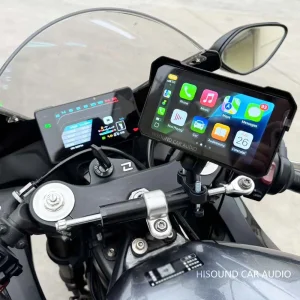
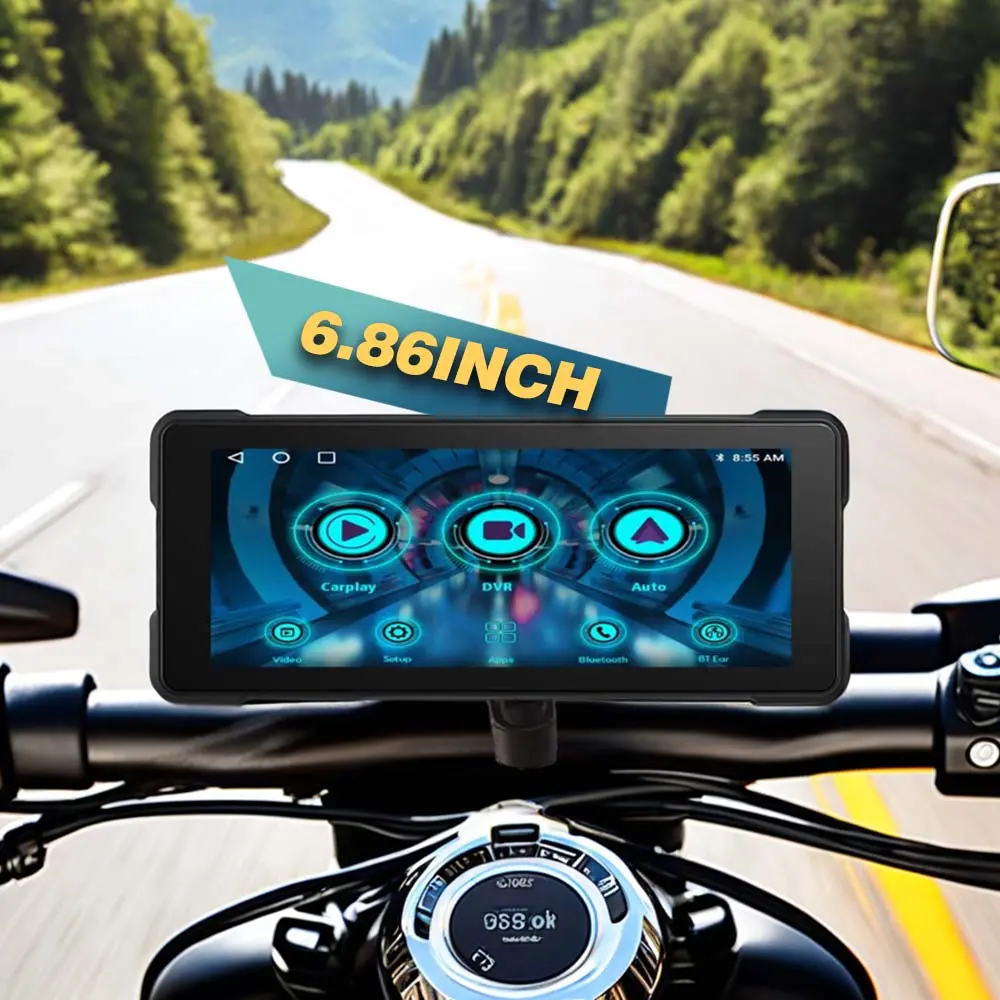
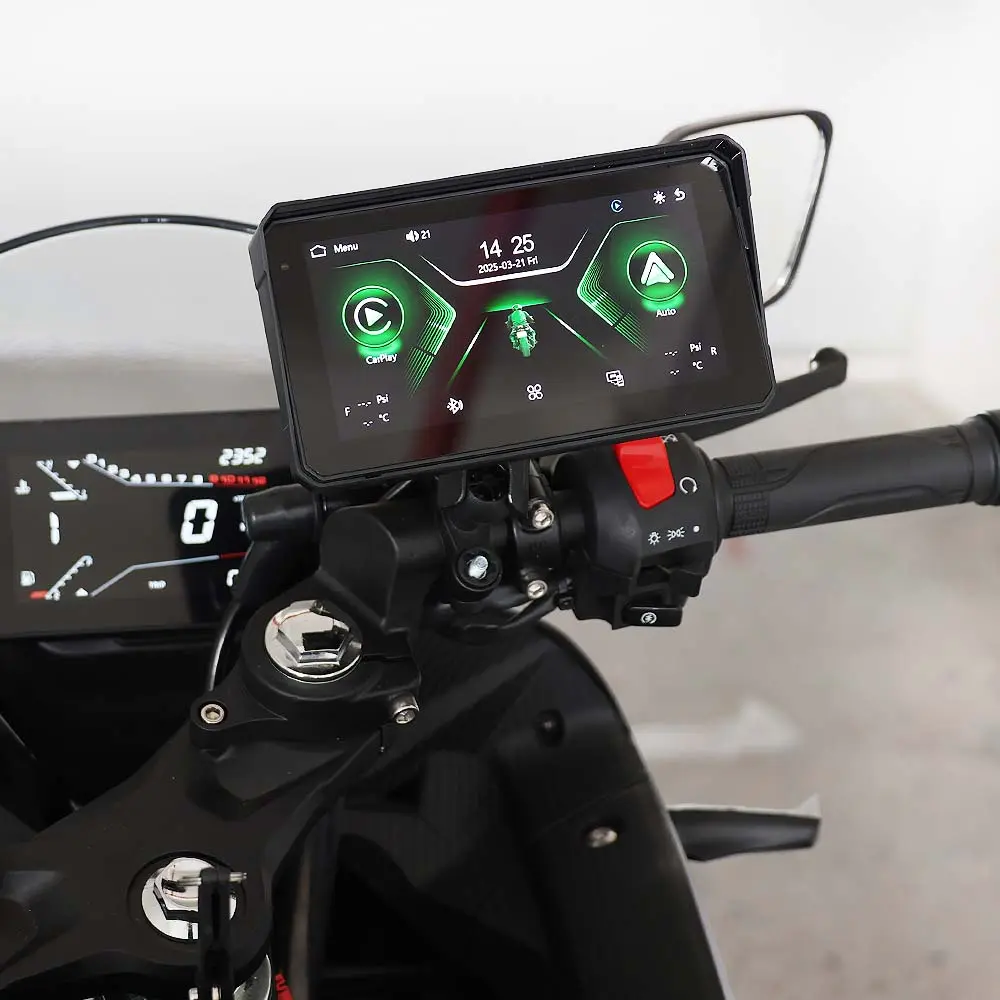
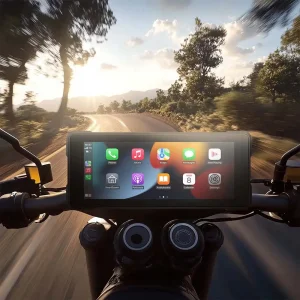
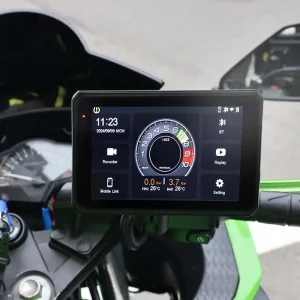
Engineered for high-vibration power-sports applications, featuring IPX8 water ingress protection and high-brightness capacitive touchscreen modules.
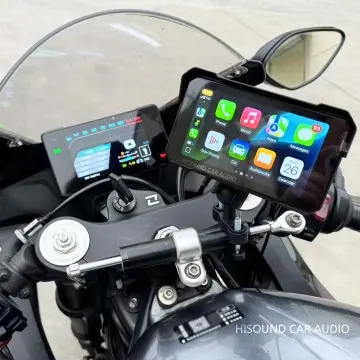
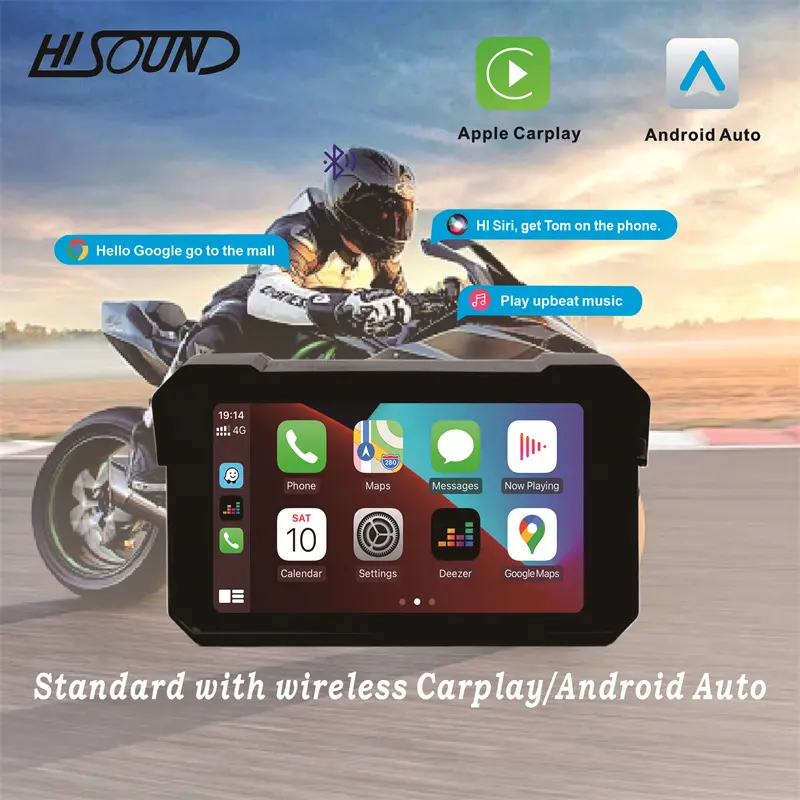
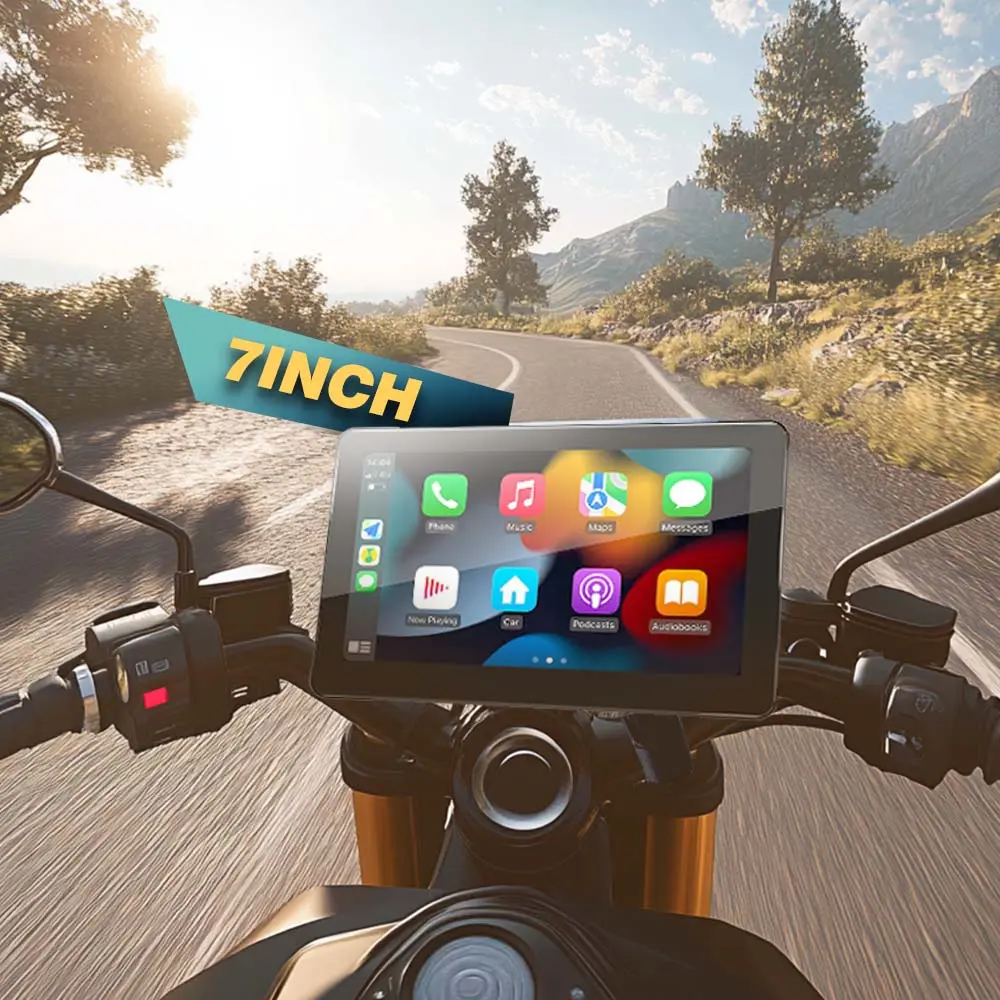
Understanding our engineering advantages, certification systems, and customization processes.
Our waterproofing process uses high-pressure defoaming chambers alongside specialty foam adhesives imported directly from industrial suppliers. This guarantees that the front panel lamination does not separate or bubble when subjected to intense sunlight, heat cycles, or high-humidity marine conditions.
We hold structural design patents for our detachable main units. Users can easily remove the receiver display panel when leaving the vehicle unattended, preventing theft. Additionally, our units include built-in dual-recording DVR interfaces to streamline cabling layouts.
By using 2.5D curved glass and full optical lamination, we eliminate the air gap between the touch layer and the LCD screen. This significantly reduces internal reflections, enabling clear visibility under direct sunlight while providing a modern visual aesthetic.
We accommodate various B2B requirements. From customized startup logos and localized software UIs to custom packaging box designs, our design and development engineers provide rapid prototyping for both large distributors and regional specialists.
To comply with regional imports in North America, Western Europe, and Asia-Pacific, all production units undergo testing in certified laboratories. We maintain active compliance documentation with CE, FCC, RoHS, and ISO manufacturing safety systems.
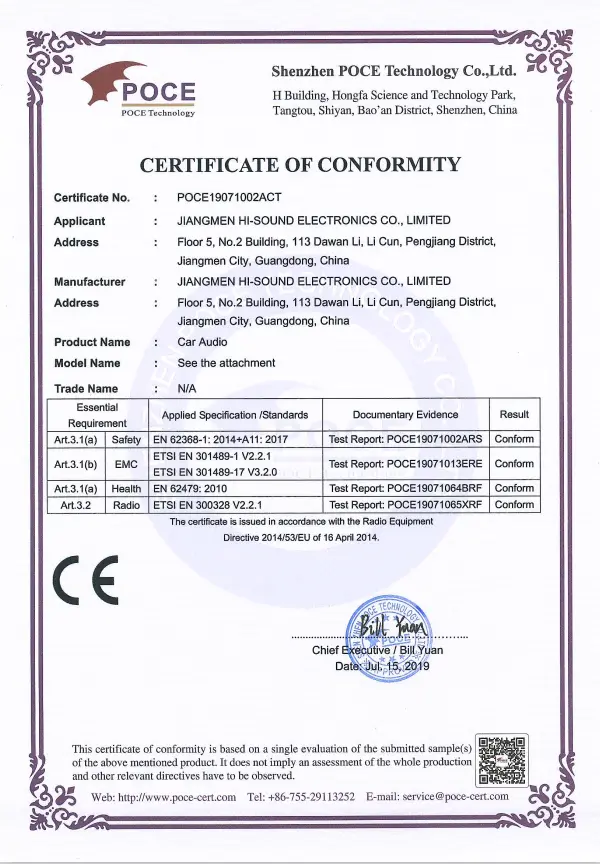
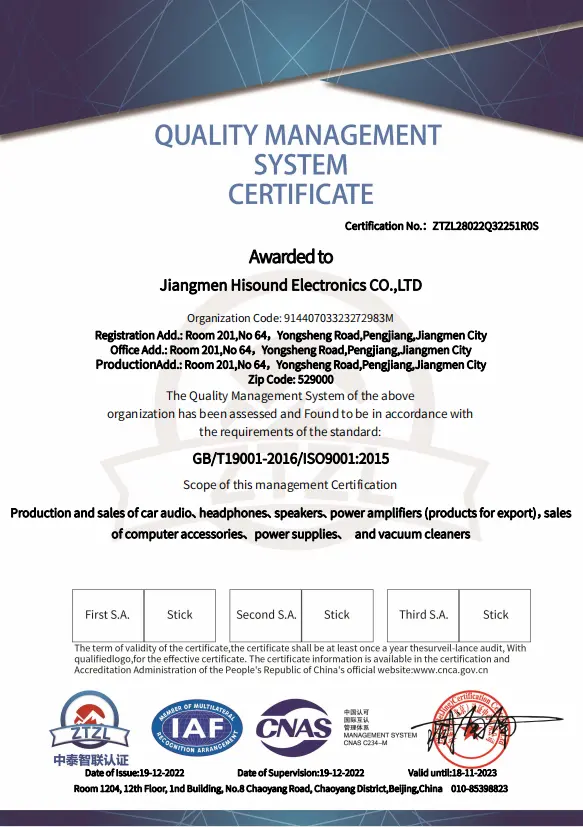
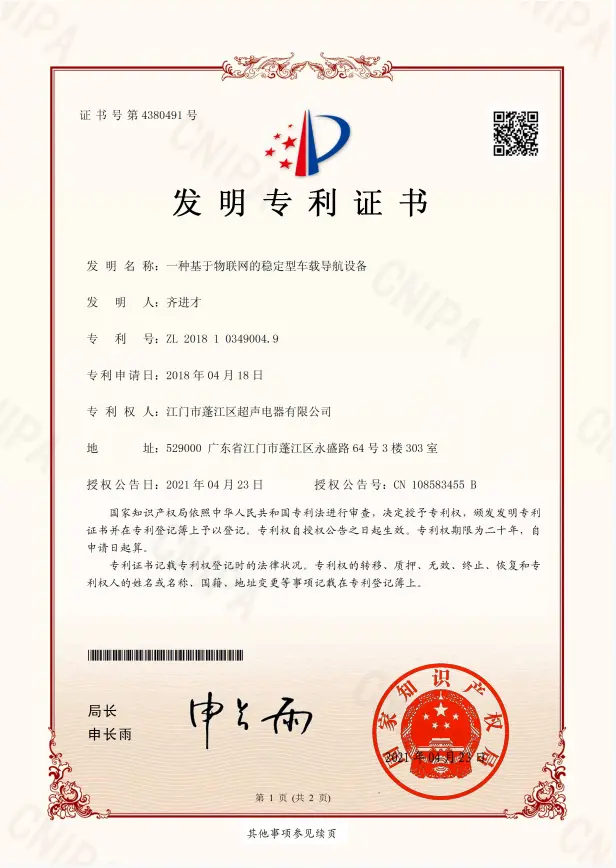
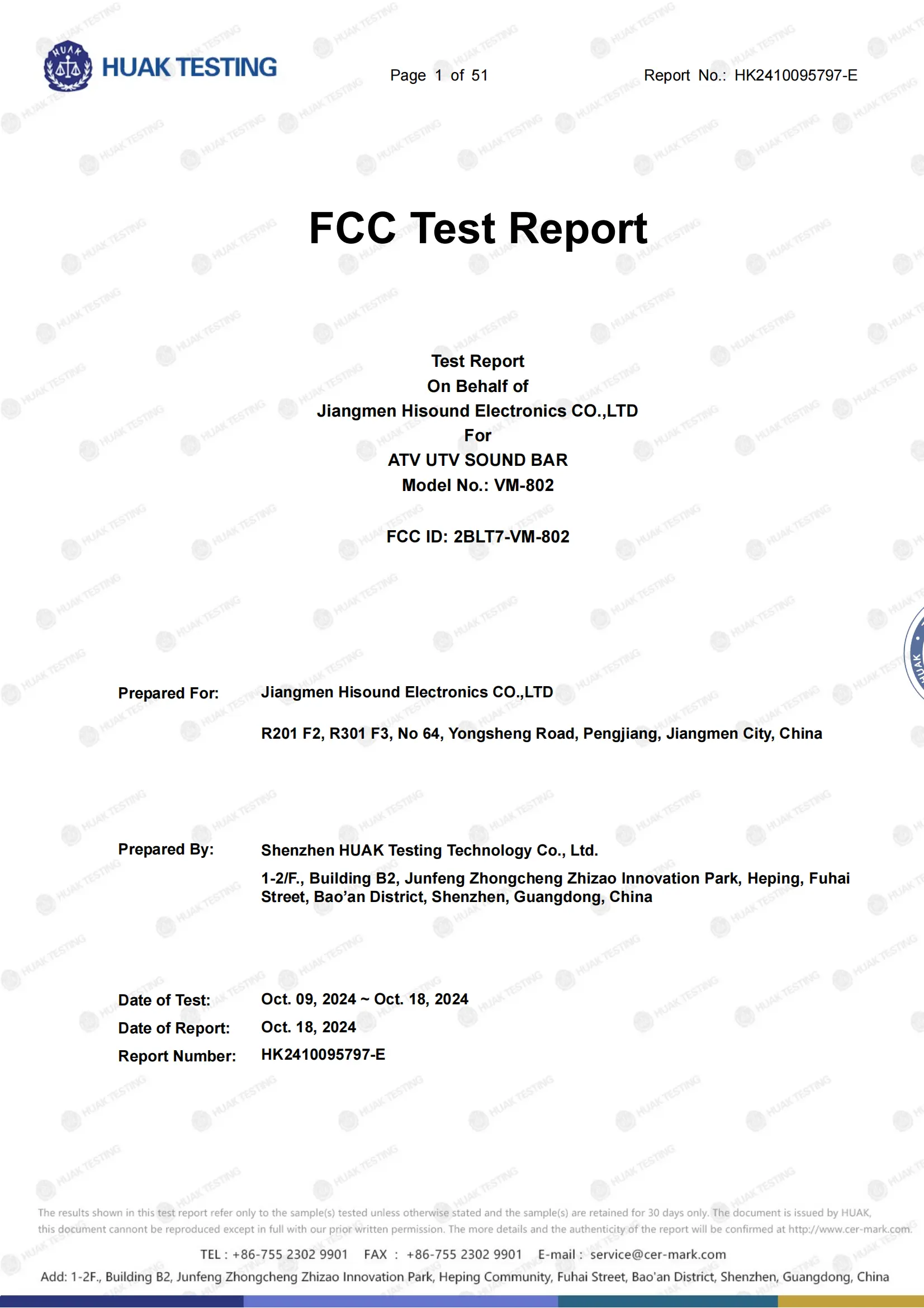
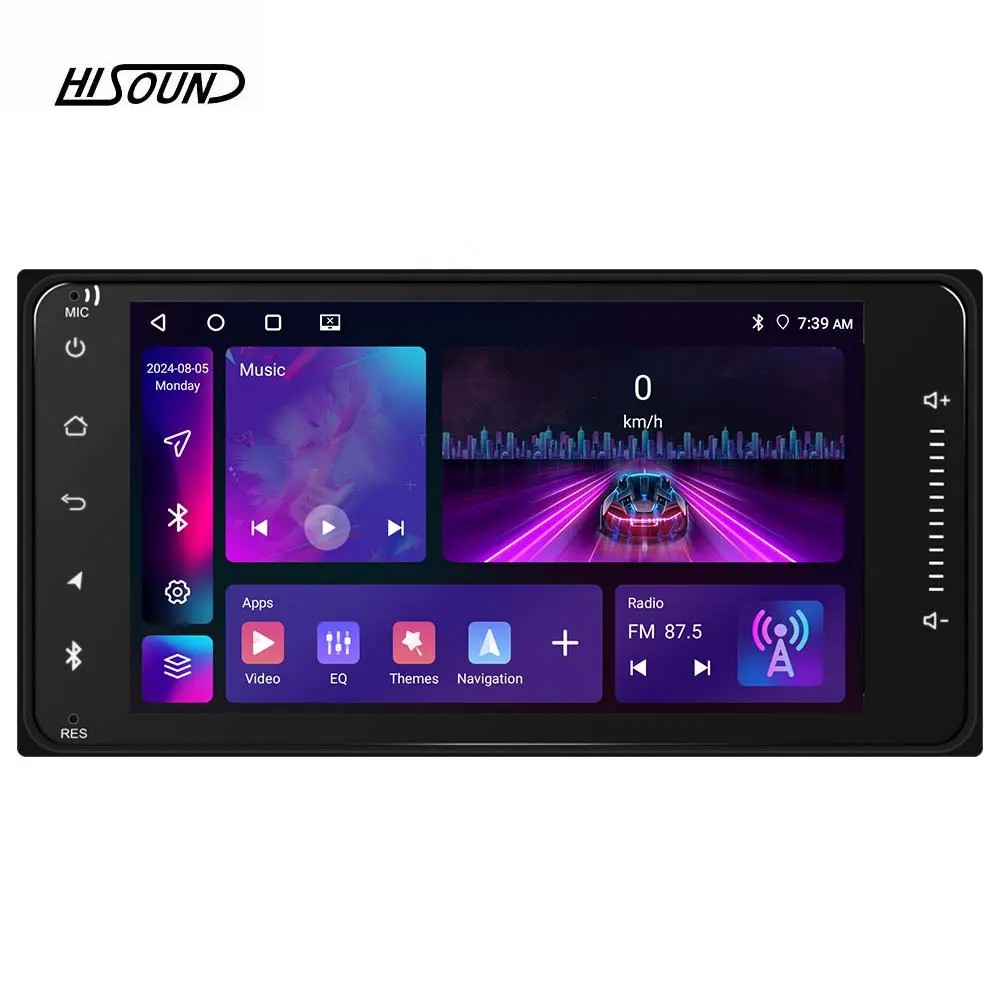
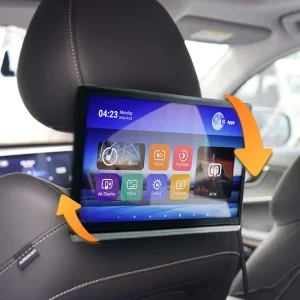
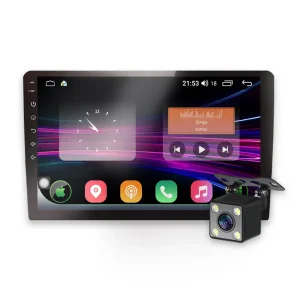
High-resolution multimedia monitors and universal dashboard systems designed to meet automotive integration specifications.
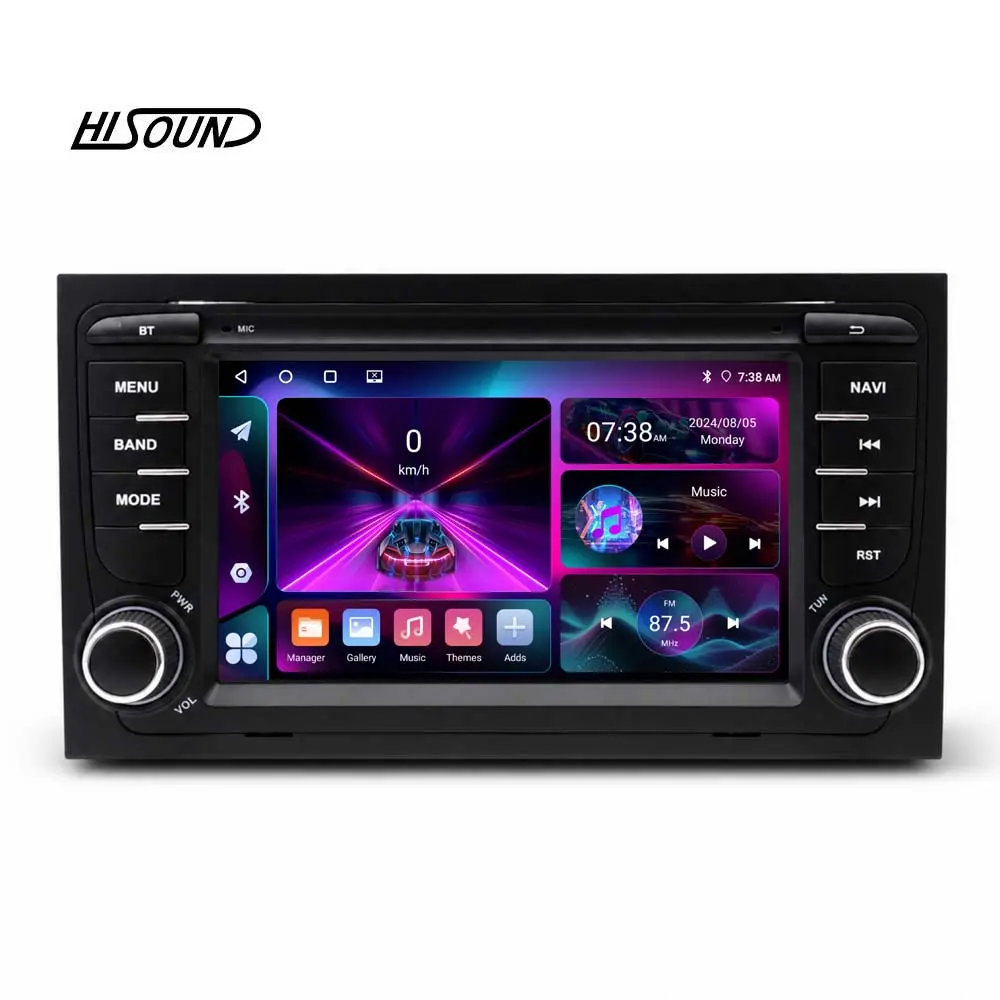
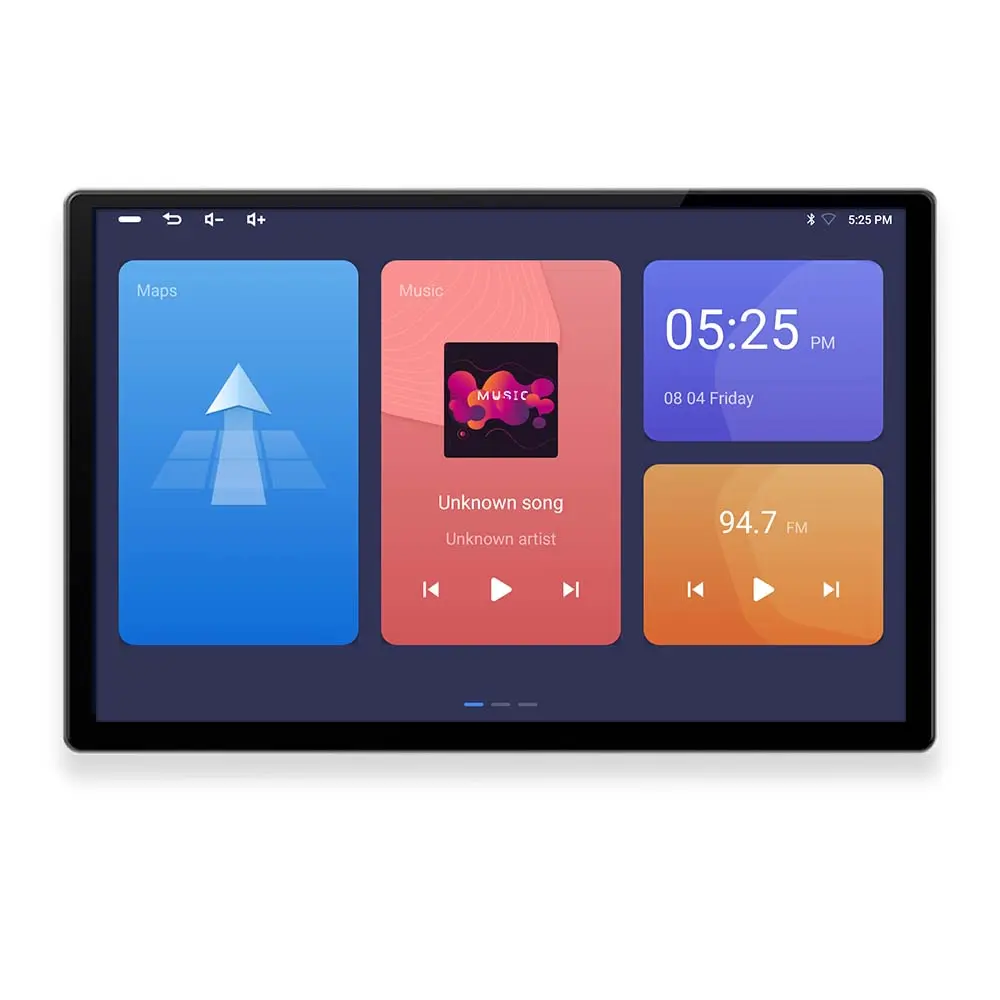
A detailed engineering breakdown comparison of premium marine receivers compared to automotive standards.
| Parameters | Hi-Sound Marine Spec | Standard Car Audio | Testing Protocol |
|---|---|---|---|
| Ingress Rating | IPX8 Certification | IPX4 or None | Continuous submersion validation |
| Display Luminance | Up to 1200 Nits | 300-400 Nits | Chroma Meter under direct daylight simulation |
| PCB Protection | Dual Conformal Coatings | Uncoated bare circuit | Humidity chamber exposure (96 hours) |
| Corrosion Shielding | Anti-rust plating & plastic housing | Standard steel frame | Salt spray chamber (ASTM B117) |
Our marine digital media receivers are utilized across several commercial and leisure vehicle industries:
Detailed answers to key product selection questions, compliance standards, and custom manufacturing processes.
Founded in 1979, Hi-Sound has evolved into a global supplier. In 2004, the REFINE brand was officially established.
"We have partnered with Hi-Sound for our power-sports audio integration for over 5 years. Their IPX8 waterproof screens and robust vibration resistances have significantly reduced our defect rate in the field. Customizing the startup logo and localized firmware was seamless."— Director of Procurement, North American Off-Road Vehicle Manufacturer
We work closely with our business partners to build long-term, reliable relationships based on technical support, product longevity, and responsive customer service. Whether you represent an aftermarket retail chain or a major vehicle OEM factory, we offer stable pricing, quick production cycles, and consistent product quality.
Our products undergo continuous quality checks at our testing facility to ensure longevity in the field:
Explore additional vehicle receivers and displays shipped to international wholesale distributors.
 Hisound carAudio