Explore our top-performing vehicle integration modules and receiver assemblies
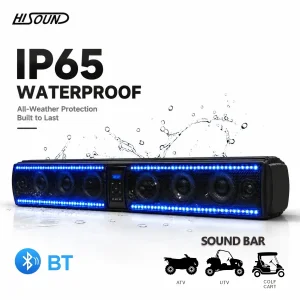
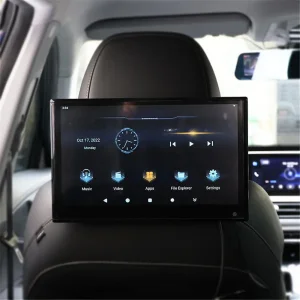
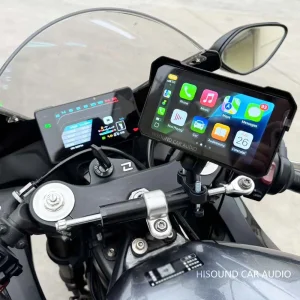
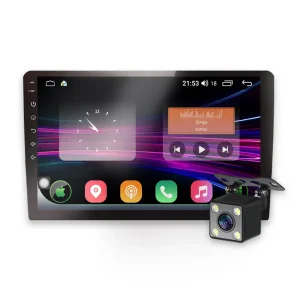
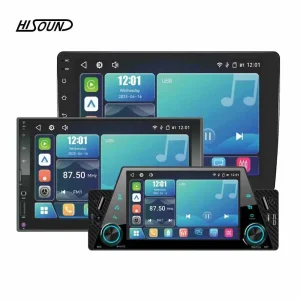
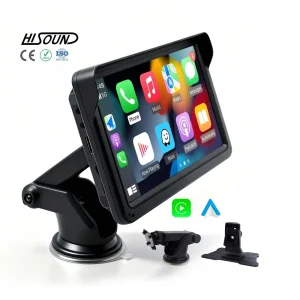
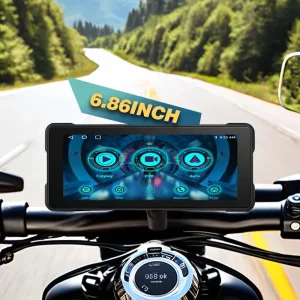
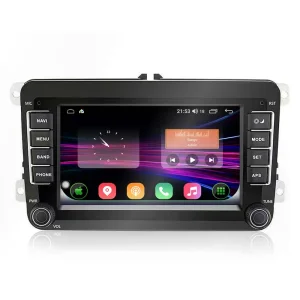
In the contemporary automotive and off-road mobility landscape, the integration of high-performance radio frequency (RF) reception remains an essential pillar of vehicle infotainment. While digital streaming and cellular connectivity have expanded in-cabin media options, local broadcast signals—specifically FM (Frequency Modulation) and AM (Amplitude Modulation)—remain the primary source for real-time safety advisories, localized news, and zero-latency audio entertainment. Achieving reliable broadcast reception in vehicles demands sophisticated engineering due to the challenges of dynamic multipath interference, electromagnetic compatibility (EMC) limitations, and fluctuating signal propagation conditions.
Modern automotive receivers utilize highly integrated silicon tuners equipped with dedicated Digital Signal Processors (DSP). Unlike traditional analog tuners, which were highly susceptible to phase noise and adjacent-channel interference, modern DSP-based tuners employ advanced algorithms to digitize the incoming RF signal directly at the intermediate frequency (IF). This allows for real-time noise blanking, multi-path echo cancellation, and adaptive channel bandwidth adjustments, delivering a clean and stable audio output even in weak signal zones or dense urban environments.
"RF engineering in mobile environments requires a dual-focus on structural shielding and adaptive algorithmic processing. By combining premium hardware components with optimized DSP firmware, modern vehicle receivers deliver superior reception quality across diverse terrains."
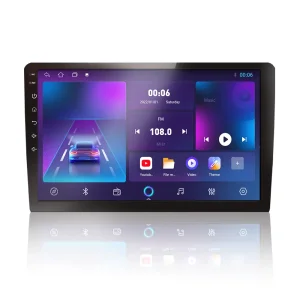
Furthermore, modern automotive systems merge standard radio functionality with smart device integration. Head units featuring wireless Apple CarPlay, Android Auto, and custom Android operating systems operate alongside the RF frontend, sharing processing units and power rails. Managing electromagnetic interference (EMI) is critical. High-frequency clock signals from dynamic memory modules and display panels can degrade the sensitive RF frontend of the tuner. Consequently, robust isolation, dedicated shielding enclosures, and low-dropout regulators (LDOs) are necessary to maintain low noise levels and high signal-to-noise ratios (SNR).
Tailored development paths from initial parameter configuration to mass production
Customize screen size, resolution, brightness, touch panel, waterproof structure and mounting design to match your vehicle application.
Customize maps, navigation UI, voice guidance, route planning and vehicle management features for different applications.
Customized mounting brackets, wiring harnesses and interfaces for golf carts, shuttle vehicles, resort vehicles and other applications.
Private-label housing, logo, UI and packaging with engineering support from prototype to mass production.
A rigorous phase-gate methodology ensuring high reliability and structural compliance
Define your vehicle application, display size, navigation functions, waterproof requirements, mounting method and branding needs.
Our engineering team develops the hardware, software, mounting structure and UI solution based on your project requirements.
Build samples, test waterproof performance, display reliability, software functions and vehicle installation before mass production.
Move from approved samples to mass production with quality control, technical support and after-sales service throughout the project.
The demand for vehicle receivers varies by geographic region and industrial application. In North America and Western Europe, the automotive aftermarket demands premium screens integrated with wireless connectivity, such as CarPlay and Android Auto, along with high-sensitivity FM/AM radio. These regions also prioritize digital options like HD Radio and DAB+ (Digital Audio Broadcasting). Tuner chips must support dual-standard processing to handle both analog FM and digital broadcasts seamlessly.
In South America, Southeast Asia, and parts of the Asia-Pacific region, analog FM remains the primary local broadcast infrastructure. Excellent sensitivity and selectivity are crucial in these markets, where vehicles often travel through mountainous terrain far from broadcast towers. In these conditions, standard tuners suffer from multipath distortions caused by reflections off mountains or high-rise buildings. To combat this, high-end receivers use dual-antenna phase diversity techniques. This technology dynamically combines signals from two separate antennas to eliminate phase cancellations, providing uninterrupted audio.
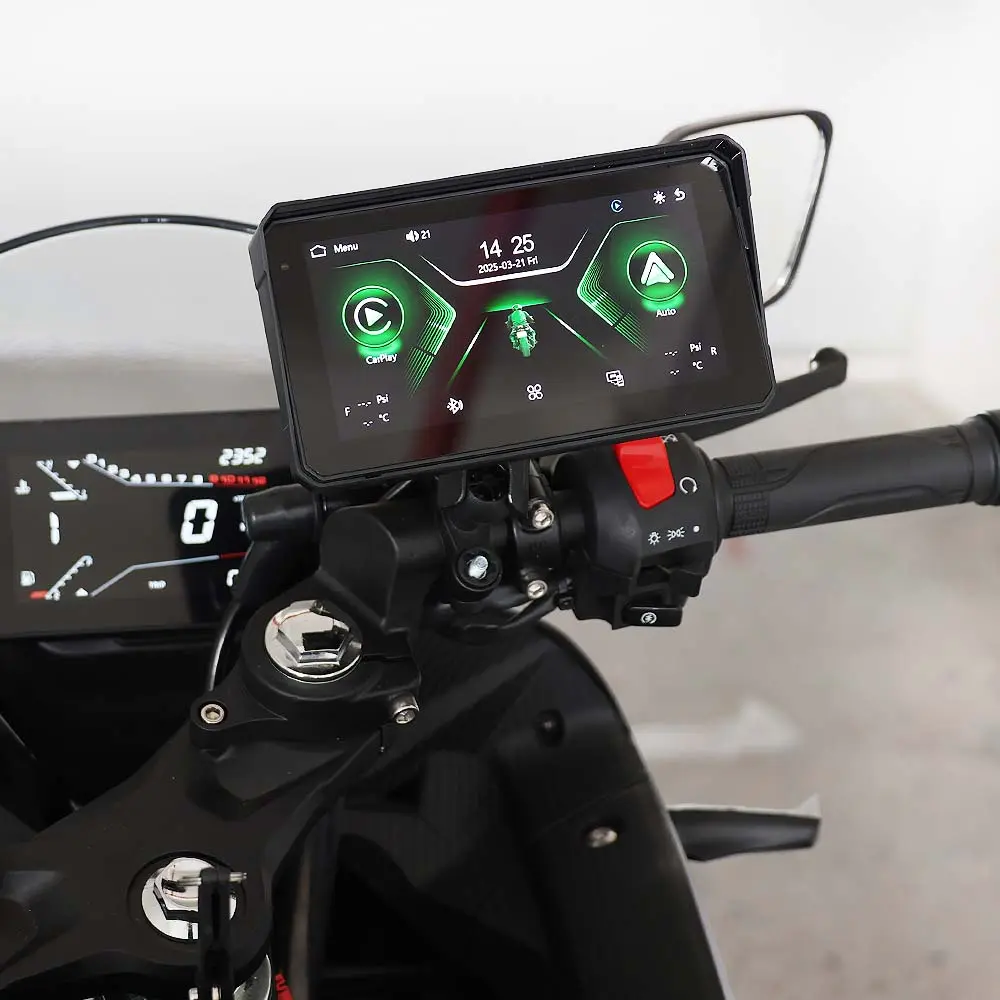
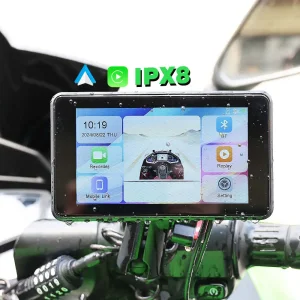
From an industrial design standpoint, off-road applications (ATVs, UTVs, agricultural vehicles, and motorcycles) introduce severe operational demands. Standard car audio units fail under the mechanical vibrations, dust ingress, and direct exposure to water characteristic of these environments. To ensure long-term reliability, engineers must use specialized PCB layouts, optical bonding for LCD displays to prevent condensation, and dust-proof, waterproof chassis enclosures rated up to IP67 or IPX8.
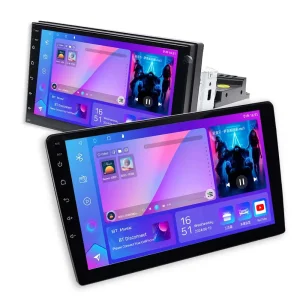
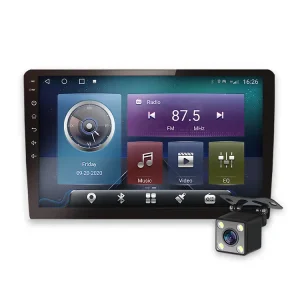
All-weather navigation screens designed with high-performance integrated receivers
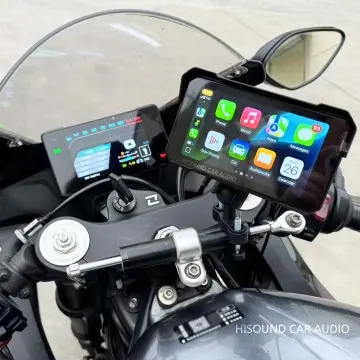
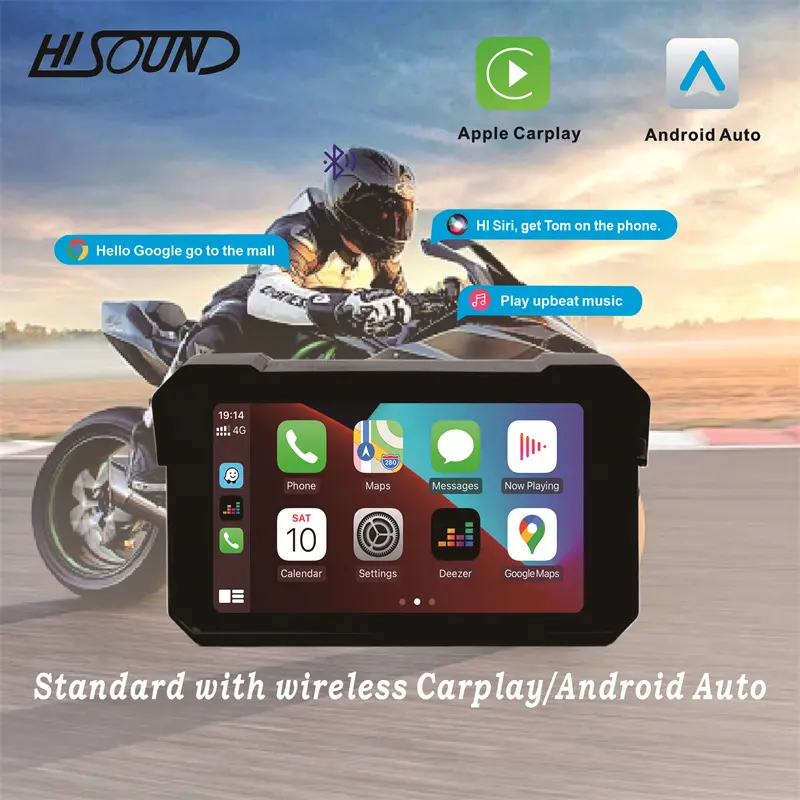
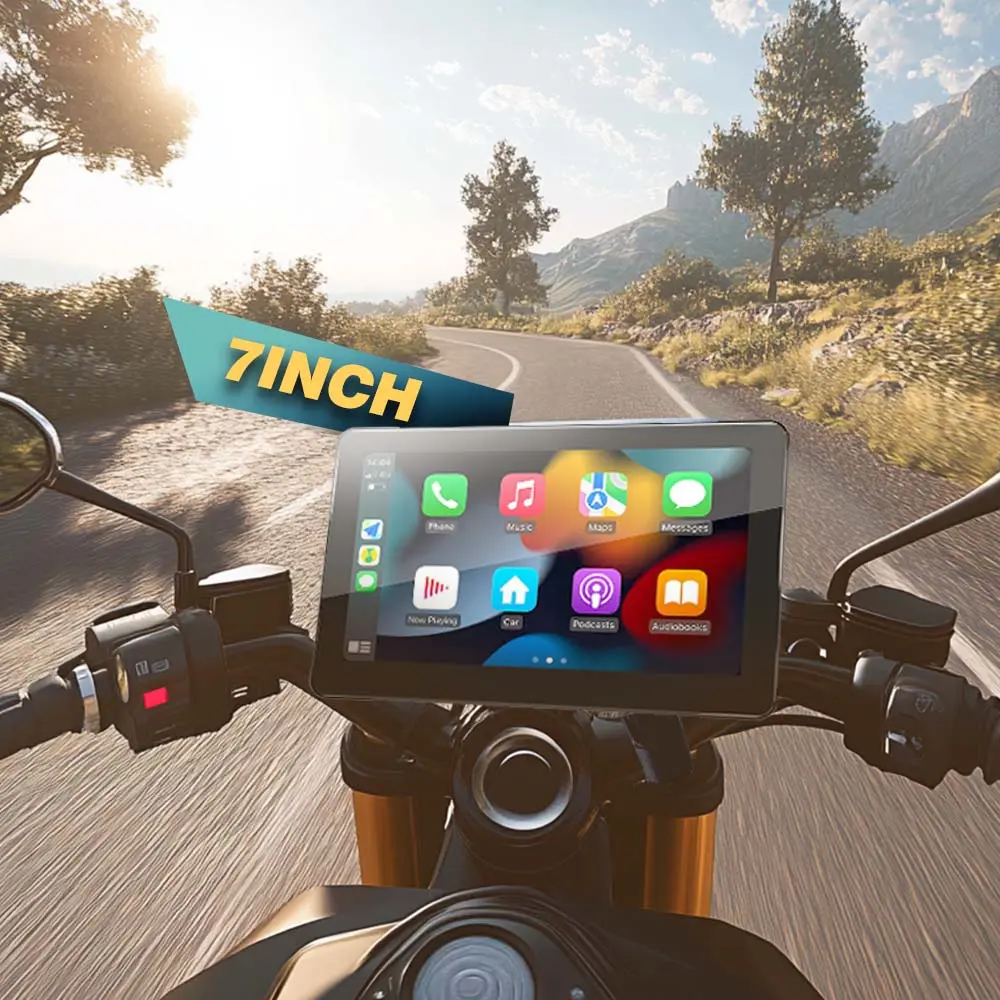
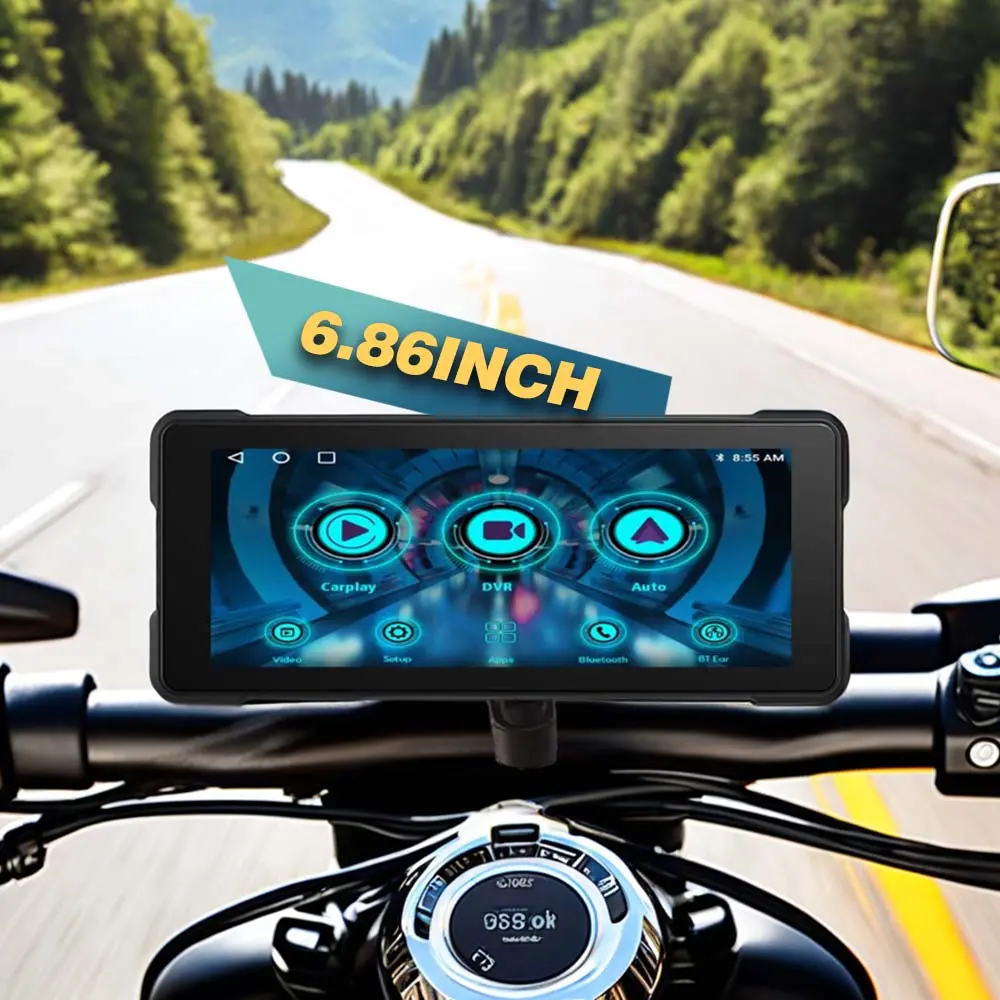
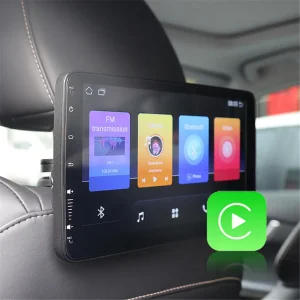
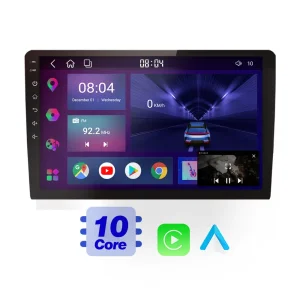
Premium multimedia screen configurations with integrated audio transmission capabilities
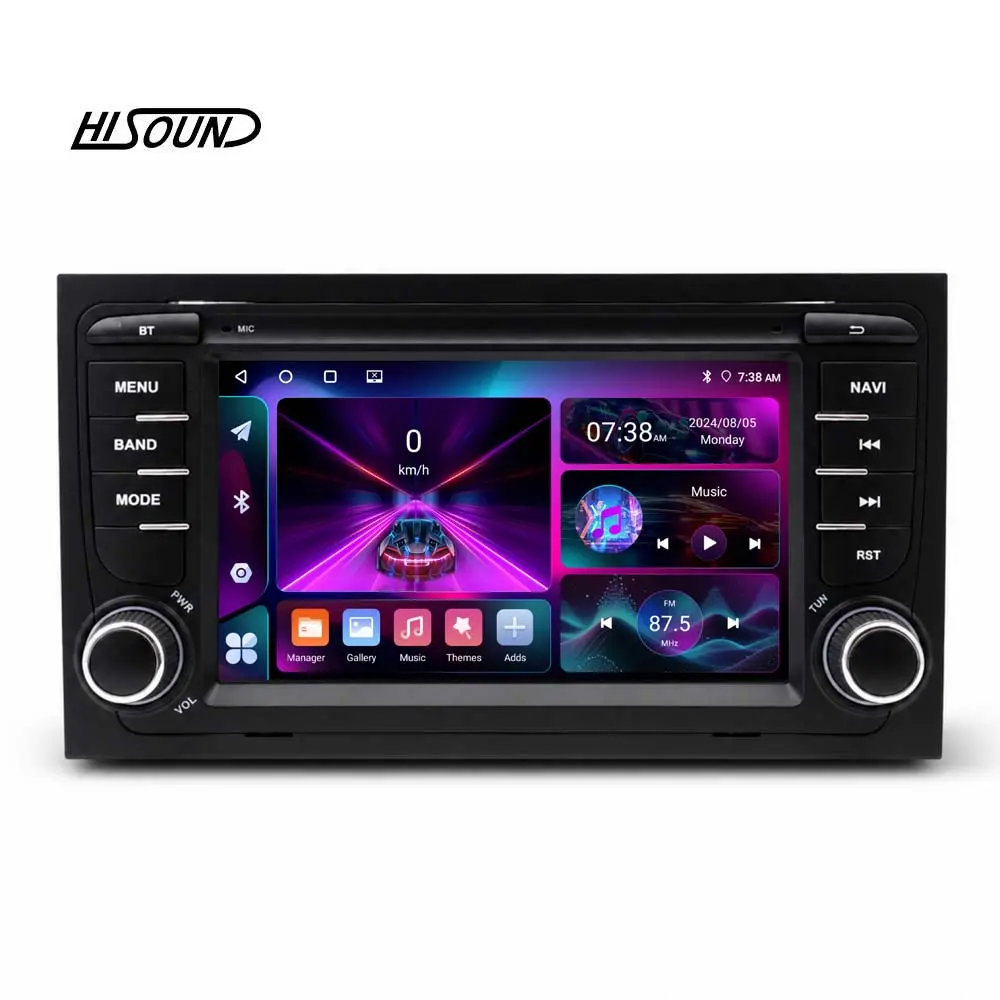
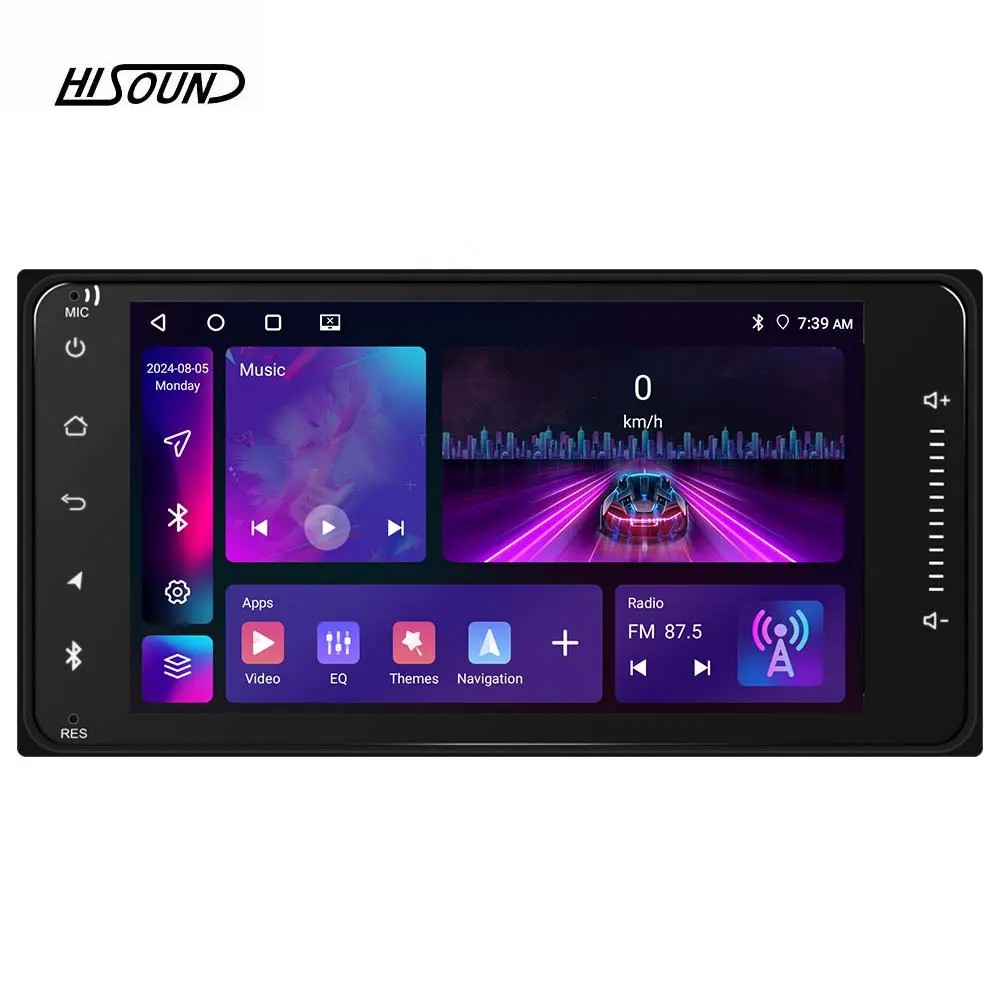
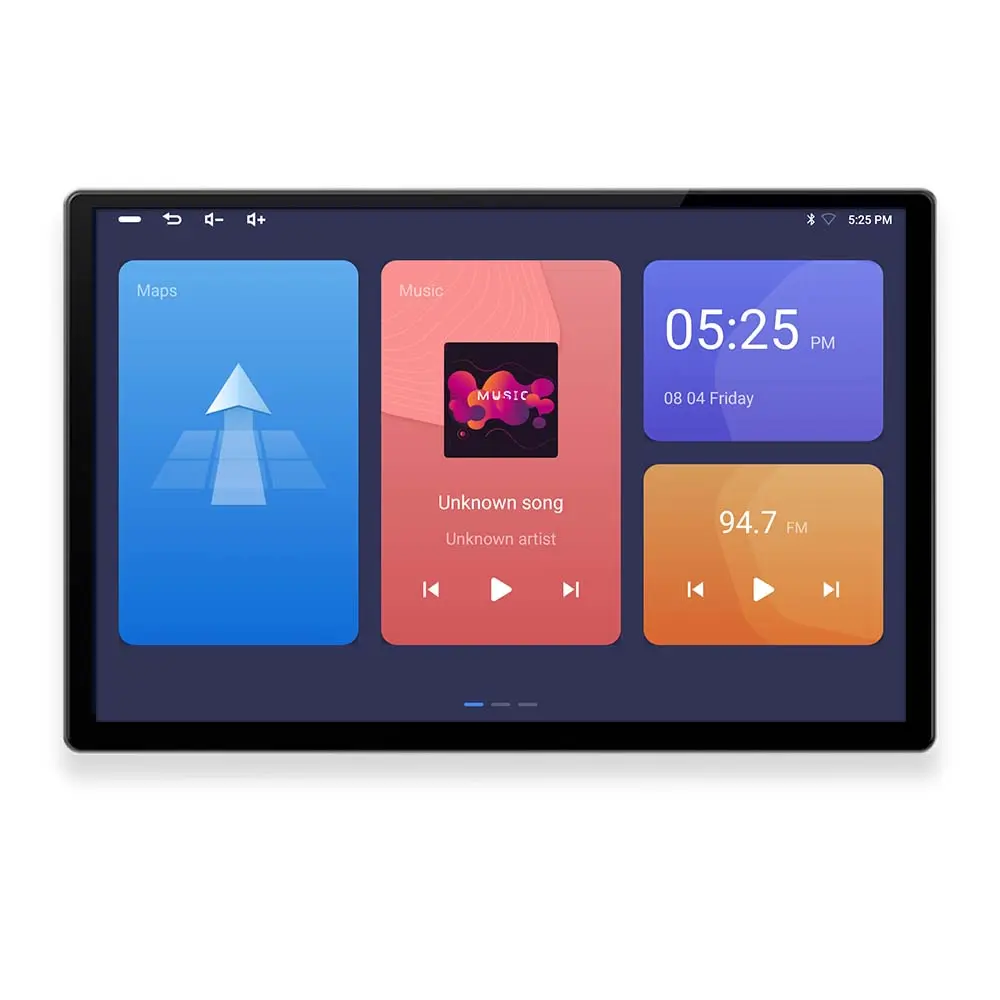
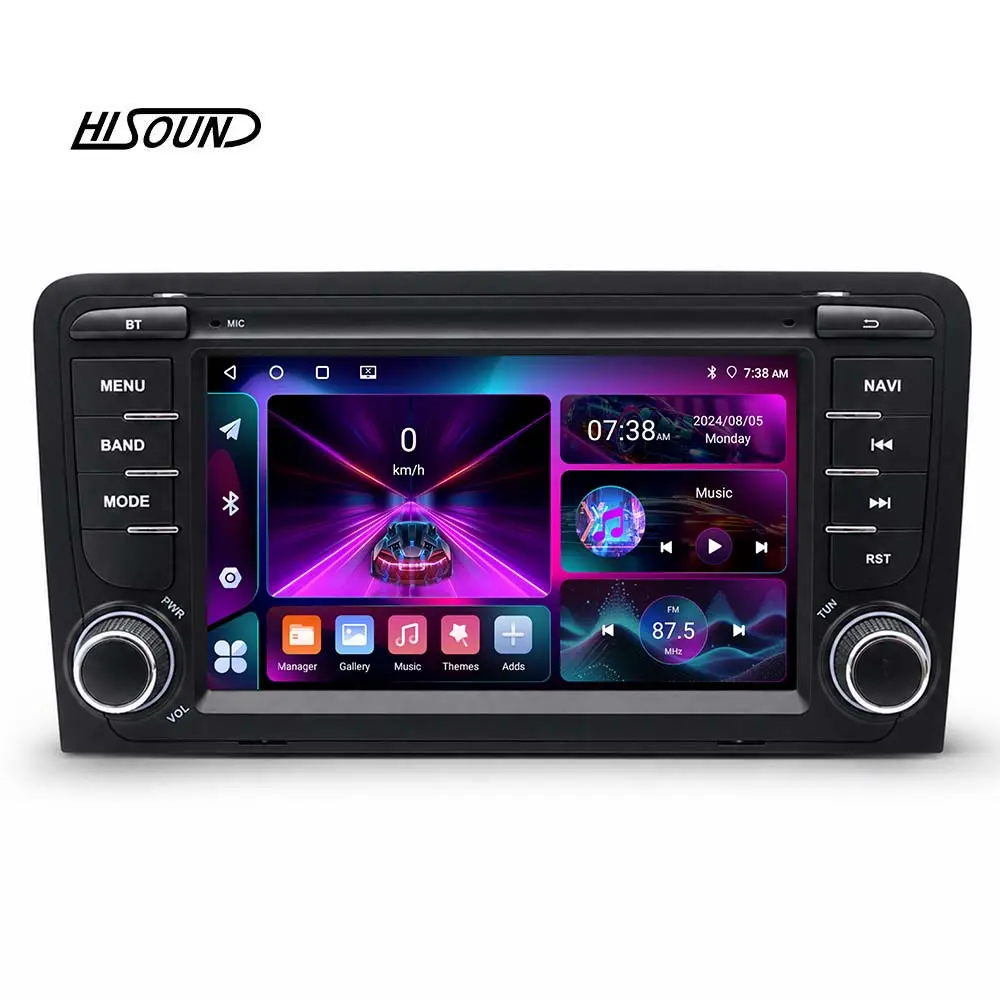
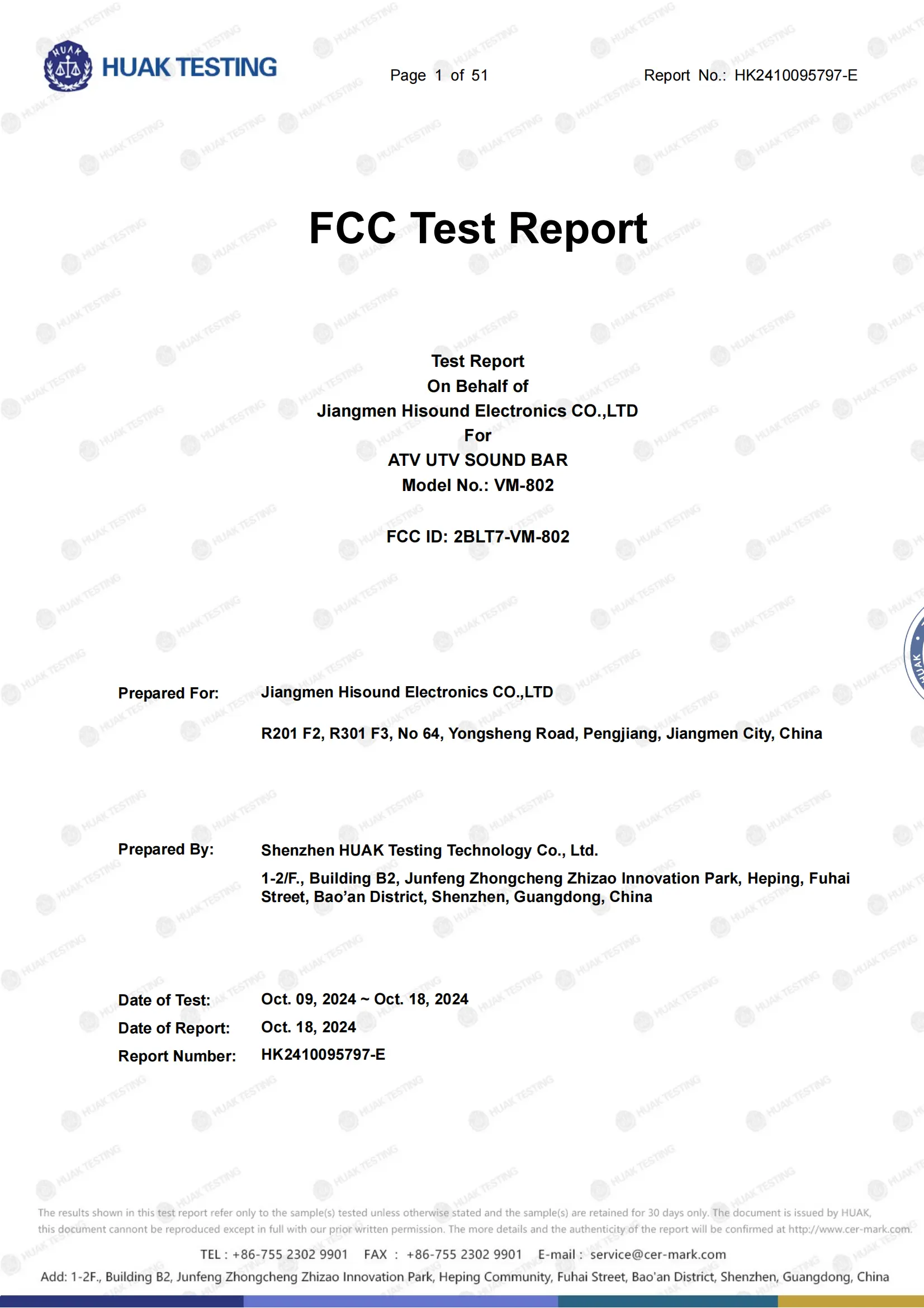
Global commerce requires strict adherence to international regulatory frameworks. Infotainment head units and radio receivers must comply with electromagnetic compatibility (EMC) regulations, such as UN ECE R10 in Europe, FCC Part 15 in the United States, and MIC compliance in Japan. These tests ensure the device does not radiate excessive electromagnetic noise and remains resilient against external electrical pulses, such as those caused by ignition systems.
Furthermore, standard FM broadcast spectrum allocations vary globally. A compliant tuner must offer configurable tuning bands via firmware options, including:
Our manufacturing processes also conform to environmental regulations like RoHS (Restriction of Hazardous Substances) and REACH. This ensures lead-free soldering and eliminates hazardous materials from the PCBs and mechanical housings, guaranteeing environmental safety and simplifying importing and distribution workflows.


The future of in-vehicle audio lies in hybrid radio systems. These platforms combine analog broadcast signals with internet connectivity to provide a seamless listening experience. If a vehicle drives out of range of a local FM station, the head unit transitions to the station's internet stream, preventing audio drops. Additionally, metadata like station logos, album art, and artist information can be downloaded in real-time over the cellular network.
We are also seeing growing interest in Software Defined Radio (SDR). Traditional tuner setups rely on dedicated chipsets for FM, AM, and digital standards. In contrast, SDR digitizes the incoming RF spectrum close to the antenna and processes the demodulation using software algorithms. This allows manufacturers to update tuning protocols, add digital broadcasting features, and improve signal filtering without redesigning the physical circuit board.
At the same time, safety features like ADAS (Advanced Driver Assistance Systems) are merging with infotainment systems. Modern head units must handle multiple video inputs from backup and dash cameras while maintaining low latency. By isolating safety-critical software routines from the main media playback system, we ensure the safety functions remain operational even under heavy multitasking demands.
Trusted reliability built on four decades of design and manufacturing experience
Our waterproofing process uses imported foam adhesive and high-pressure defoaming to ensure a durable seal between the display and case, providing excellent waterproofing and reliability.
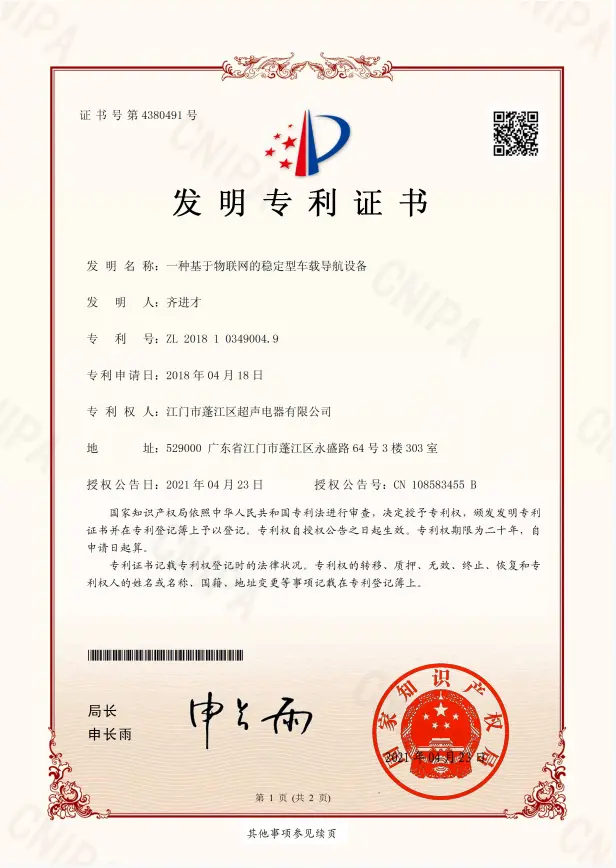
Our patented removable main unit design prevents theft while incorporating a built-in DVR function, eliminating the need for separate wiring and enhancing ease of use.
Our screens utilize high brightness technology and 2.5D full lamination technology for excellent visibility and a clearer display experience, even in straight sunlight.
We offer customizable solutions including personalized logos, screen UI, and packaging to cater to individual business needs, from large wholesalers to small retailers.
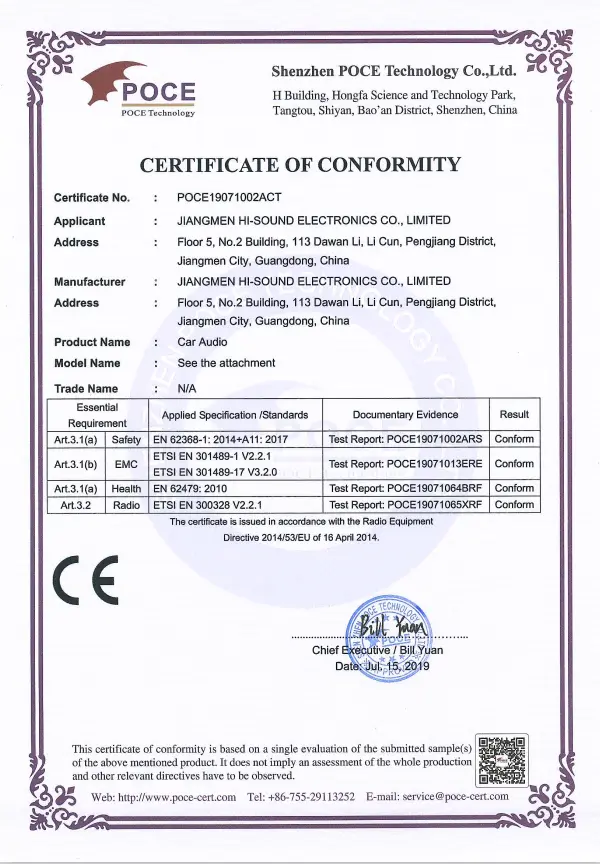
Each product is fully tested for durability, waterproof and reliability. Our screens meet international standards including CE, Rohs, ISO and IPX8 certifications to ensure quality and safety.
The company was founded in 1979 and has undergone 44 years of development. It has now become an enterprise with core competitiveness in "technology research and development", "brand operation" and "global platform". In 2004, the REFINE Rui feng brand was officially established.
Rigorous simulation and mechanical verification systems utilized in our manufacturing facilities
At Hi-Sound, we aim to grow with our partners, building long-term, trustworthy relationships based on integrity and mutual success. Whether you are a small or large business, we offer competitive pricing, fast delivery, and a commitment to quality, so that every client feels confident choosing us.
What engineering partners and distributors say about Hisound receiver reliability
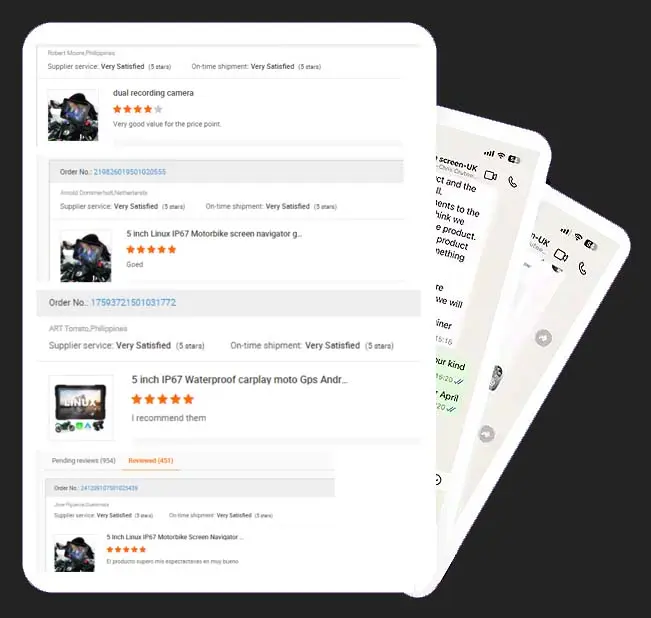
"The RF sensitivity and noise filtering on Hisound's navigation screens solved our reception issues in dense urban environments. Their custom UI branding integrated seamlessly with our fleet vehicles."
 Procurement Manager, EU Fleet Operator
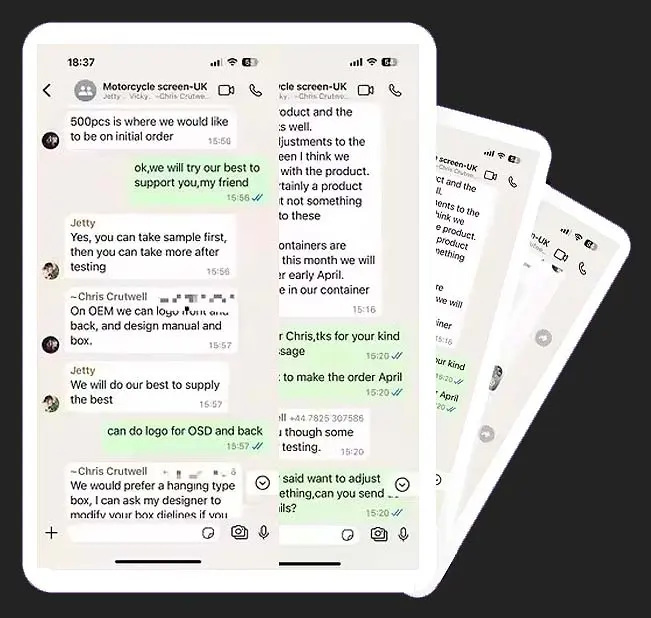
"We have distributed Hisound's IPX8 motorcycle screens for over 3 years. The structural integrity and thermal resistance under sunlight outperform standard tier-1 replacements."
 Engineering Director, Off-Road Audio Brand
"Their prototype validation pipeline is highly efficient. The custom wiring harness adjustments and support for wide FM ranges in Japan made our localization project easy."
 Product Head, APAC Automotive Import Group
Detailed technical answers to common procurement and development questions
Premium multimedia players, navigation screens, and audio configurations
 Hisound carAudio