Engineered for instant cold-boot startup, robust CAN-bus integration, and multi-language support localized for Eastern European fleet logistics.
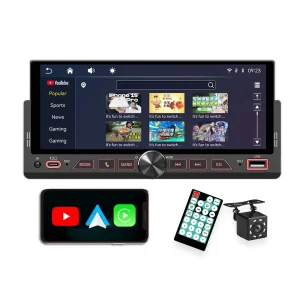
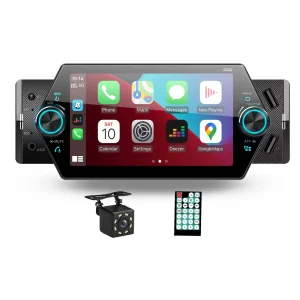
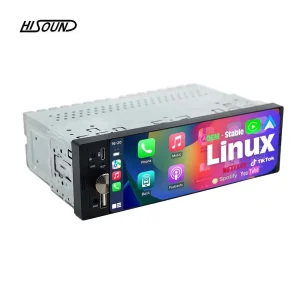
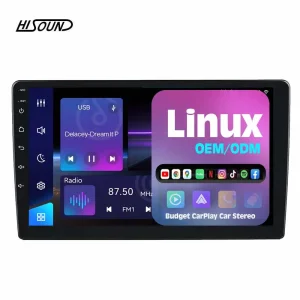
Moscow stands as the largest logistics and metropolitan transportation hub in Eastern Europe. With over 15 million citizens and a sprawling transit grid encompassing municipal buses, private logistics taxi networks, commercial delivery vans, and heavy-duty utility vehicles, the demand for robust, stable, and highly responsive in-vehicle infotainment (IVI) systems has surged exponentially.
Unlike consumer-grade tablets, commercial in-vehicle systems in Moscow must satisfy harsh operating guidelines. Fluctuating power grids within heavy trucks, constant engine restarts, and high-frequency cellular switching across dense metropolitan sectors mean that traditional OS setups like Android frequently fail.
Our specialized Linux-based MP5 and Car Navigation Players provide an optimal solution. Built on a tailored, lightweight Linux kernel, these devices bypass the heavy RAM requirements and system bloating common in Android units, offering instantaneous boot sequences, native hardware execution, and industrial-grade security protocols.
Winter temperatures in Moscow routinely drop below -25°C, often reaching extreme lows of -35°C in outlying suburban industrial zones. Standard automotive players experience severe hardware lagging, touchscreen unresponsiveness, or outright boot failures when stored overnight in freezing temperatures.
By employing industrial-grade resistors, a highly robust CPU thermal pad system, and custom-layered Linux firmware (which loads key input/output drivers directly without dynamic virtual machines), our car players maintain seamless UI transition speeds and GPS rendering even during cold starts.
Additionally, our units feature a multi-layer IPX8 waterproof structure and high-transmittance 2.5D laminated display glasses to prevent internal condensation caused by intense cabin heating cycles.
Why Tier-1 fleet managers, municipal transit authorities, and automotive distributors in Moscow are shifting their sourcing pipeline to Linux OS.
| Performance Vector | Typical B2B Android IVI Unit | HiSound Optimized B2B Linux IVI Player | Moscow Operational Impact |
|---|---|---|---|
| Cold Boot Speed | 25 to 45 seconds (due to JVM initialization) | < 3.5 seconds (direct kernel initialization) | Instant reverse camera view (AHD) on vehicle start, crucial for safety. |
| Operating Temperature Stability | Unstable below -20°C (system freezes, lag) | Certified performance down to -40°C | Prevents frozen screens during Moscow winter overnight shifts. |
| System Overhead & RAM Needs | High overhead, requires minimum 4GB-8GB RAM | Ultra-lightweight, runs perfectly on 512MB RAM | Substantially lowers hardware unit costs while maintaining fluid UI. |
| OTA Integrity & Lifetime | Prone to registry fragmentation, slows down over time | Clean flash memory read-only mounting, zero decay | Zero maintenance costs over a typical 5-to-8-year vehicle lifespan. |
| Crash Recoverability | Requires full manual power cycle on crash | Watchdog timer resets sub-processes in < 0.5s | Guarantees constant uptime for crucial fleet tracking/dispatch tools. |
We provide full hardware-to-software OEM & ODM services to adapt to specialized Moscow transit and utility requirements.
Customize display dimensions (5" to 10.1"), anti-glare screen resolution (up to 1920x1080), high-intensity backlight panels for direct sunlight, rugged waterproof structures, and bracket mounts tailored to passenger cars, trucks, and logistics vans.
Full integration of localized mapping applications, including specialized APIs for Moscow city routes, routing matrices, customized voice prompts, fleet telemetry tracking integration, and CAN-bus diagnostic readouts.
Tailor-made structural mounting brackets, wiring harness pinouts (ISO, custom quadlock, or heavy-duty Deutsch connections), and advanced CAN-bus decoding modules supporting vehicle controls on golf carts, municipal shuttles, and commercial trucks.
We execute private-label housing molds, customized silk-screen logos, localized Moscow UI themes, custom startup splash screen animations, tailored packaging boxes, and complete lifecycle engineering from prototype validation to mass roll-out.
A systematic process designed to deliver zero-defect automotive multimedia solutions for fleet integrations in the Moscow region.
We clarify targeted vehicle parameters, display requirements (dimensions, brightness index), local navigation systems integration, ingress protection requirements (waterproofing/dustproofing), interface standards, and brand identity components.
Our dynamic R&D engineering divisions design custom motherboard layouts, draft CAD mechanical housing files, develop vehicle-specific wiring systems, and compile optimized Linux software builds for testing.
We assemble prototype runs, conduct comprehensive waterproof testing, thermal stress testing in specialized environmental chambers, evaluate shock resistance, calibrate capacitive touch panels, and verify CAN-bus message handling.
Approved golden prototypes enter mass assembly with continuous automatic optical inspection (AOI), rigorous burn-in aging procedures, customized logistics delivery, and local engineering team support.
Every Linux Car Player is subjected to extensive mechanical and thermal stresses in our testing facility to verify performance before shipment to Moscow distributors.
Our environmental testing chamber subjects infotainment units to temperature ranges spanning -40°C to +85°C. Units undergo continuous operation profiles to verify motherboard trace stability, liquid crystal fluid response, and housing seal performance against frost expansion.
Simulating standard vehicle lifespans, our automated closure testers actuate physical buttons, rotary dials, and touchscreens over 100,000 times under varying humidity levels, preventing premature switch degradation in taxi fleets.
Simulates cobblestone, unpaved terrain, and highway driving conditions. This test verifies that internal connector pins, PCB solder joints, and screen mounts remain secure when traveling on uneven city streets or rural arterial highways.
Our packaging and manufacturing lines use precise shrink-wrap heat seals to shield electronic units from moisture entry during shipping transit across varied temperature zones.
Units targeting motorcycle and open-cab utility applications undergo intensive water jet and complete submersion tests to confirm compliance with IPX8 standards.
Verifies that our high-speed DSP audio chips and dynamic Linux boot cores do not interfere with vehicle CAN-bus communication loops, fleet tracking systems, or public cellular frequencies in dense metropolitan sectors.
A look at our specialized manufacturing processes, industry certifications, and key design differentiators.
Our waterproofing process utilizes imported foam adhesive and high-pressure defoaming chambers to establish a durable seal between the screen glass and structural case, providing lasting moisture protection.
Our patented removable main unit designs deter theft, while built-in dual DVR capabilities record front and rear road views without the need for auxiliary wiring harnesses or standalone modules.
Utilizing 2.5D optical bonding (full lamination) and bright LED backlights, our displays minimize glare and air-gap light refraction, maintaining readability in bright sunlight.
We support flexible configurations, allowing you to custom-brand our products with startup logos, tailored system interfaces, and dedicated retail packaging boxes.
Every single unit undergoes rigorous function tests, multi-hour burn-in procedures, and waterproof validation. Our production pipelines are ISO-certified, and our systems carry CE, RoHS, and IPX8 approvals.
Founded in 1979 and backed by 44 years of development (now 45+ years), we have built core competencies in technical research, design, and global logistics. In 2004, our specialized REFINE Rui feng brand was established to deliver focused OEM/ODM services.
Explore our full line of Linux IVI systems, motorcycle navigation consoles, and rear-seat monitors optimized for B2B procurement pipelines.
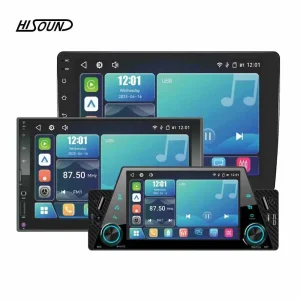
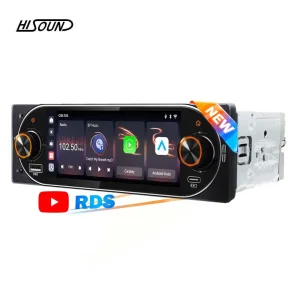
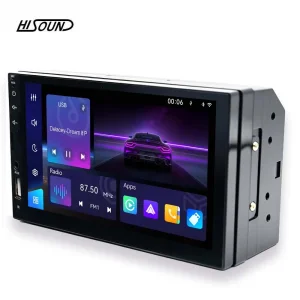
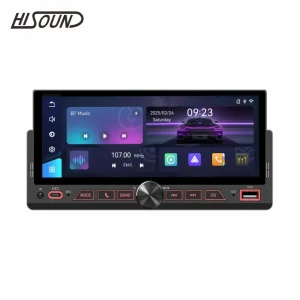
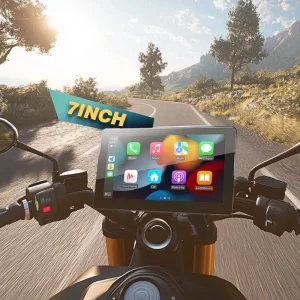
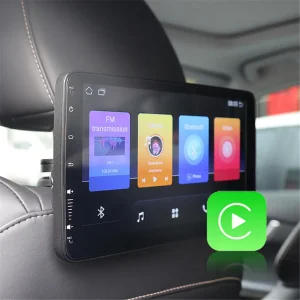
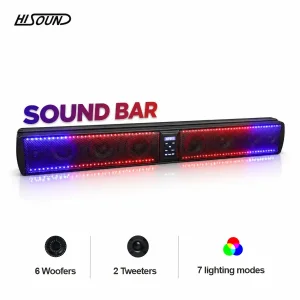
How HiSound is planning next-generation updates for commercial vehicle networks in Moscow and surrounding regions.
As passenger and utility platforms implement higher-speed CAN-FD data protocols, our R&D team is developing integrated Linux kernels featuring native socketCAN decoders. This will allow our car players to display comprehensive vehicle diagnostics, ADAS lane warnings, and tire pressure sensor readouts directly without requiring auxiliary OBD hardware modules.
By partitioning system processes with hardware hypervisors, future platforms will run a lightweight Real-Time Operating System (RTOS) alongside standard Linux builds. This ensures that safety-critical components, such as rear-camera displays or collision warnings, boot in under 1 second, while advanced features like CarPlay run on a secondary Linux partition.
Common questions from B2B buyers, fleet procurement managers, and automotive electrical engineers in the Moscow market.
Get in touch with our engineering team for technical datasheets, component customizations, volume pricing, and localized support options.
Send Inquiry Now Hisound carAudio