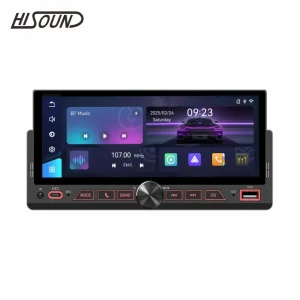
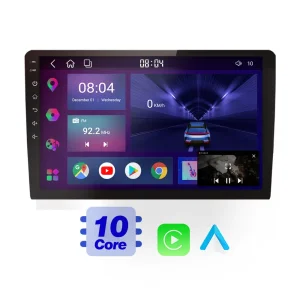
Reliable Linux platforms supporting Apple CarPlay, Android Auto, and custom CAN-bus integration
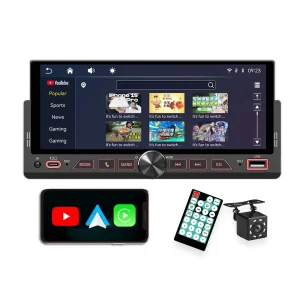
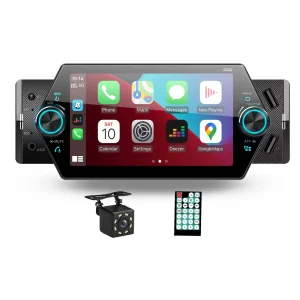
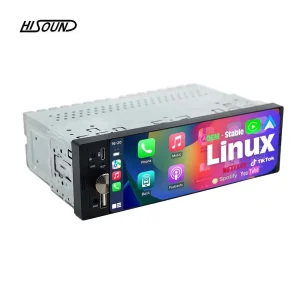
Berlin represents the vanguard of Europe’s transition to smart, electric, and highly integrated logistics systems. With local initiatives like the Berlin Smart City Strategy, municipal fleets, delivery companies, and logistics hubs are seeking upgrade options for in-vehicle infotainment systems. While older vehicles remain mechanically sound, they lag in communication capabilities. The solution: high-reliability, customized Linux-based MP5 head units that link seamlessly with smartphone ecosystems without the heavy licensing costs or system fragmentation associated with other platforms.
Unlike standard consumer-grade Android hardware, which suffers from long boot times, security vulnerabilities, and high system resource overhead, Linux architectures provide instantaneous startup (under 3 seconds for reversing cameras), robust memory management, and long-term security patching stability critical to EU commercial regulations.
Fleet operators across Germany operate under strict safety and cybersecurity laws. Operating systems must be resilient to arbitrary exploits, CAN-bus integration must not interfere with critical driver assistance electronics, and displays must offer high visibility under variable European weather patterns. Hisound’s specialized range of Car Linux Players are built on AEC-Q100 automotive standard chips, ensuring structural and thermal resilience in cold German winters and hot summers alike.
Sourcing directly from a dedicated manufacturer in China allows Berlin buyers to bridge the gap between custom hardware requirements and tight fiscal parameters. At our state-of-the-art facility, we leverage local component supply ecosystems, reducing raw material procurement times by 40% compared to Western assemblers.
From the initial PCB design layout to customized firmware compilation, Hisound controls the entire stack. This integration enables us to customize features such as:
Each unit leaves the assembly line only after passing a series of endurance tests. Our internal validation matrix includes high/low temperature tests (-20°C to +70°C), vibration tests simulating rough road surfaces, and electrostatic discharge protection measurements. This ensures that every Linux Player sent to Germany meets EU retail and fleet criteria.
How we co-develop and supply custom Linux receivers to German auto parts importers
We work with you to choose screen size, resolution, CAN-bus integration needs, and waterproofing level appropriate for your targeted vehicles.
Our software engineers modify the Linux kernel to support your custom launch logos, boot sequences, and wireless protocols.
Sample builds undergo thermal chambers, vibration testing, and electromagnetic compatibility tests before mass production.
The versatility of our Linux platforms allows them to be deployed across a wide range of mobile systems throughout Germany. Because Linux requires minimal computational overhead, we can scale down the hardware to fit compact form factors without sacrificing performance or system stability.
| Vehicle Type | Required Configuration | Key Linux Implementation Benefit |
|---|---|---|
| Logistics & Delivery Vans | Double DIN 9" Display, AHD Rear Camera, DSP Audio | Instant rear-view video stream upon shifting reverse; durable wireless connectivity. |
| German Commuter Motorcycles | 5" to 6.86" IPX8 Waterproof Navigation Screen | Works reliably in wet weather; high-brightness display ensures readability in direct sunlight. |
| Leisure & Resort Shuttles | Custom UI branding, multi-language system options | Consistent interface display without background updates disrupting operation. |
| Vintage Car Upgrades | Single DIN Retractable or 6.28" Compact screens | Preserves vintage interior dashboard design while adding modern wireless CarPlay features. |
Importing electronic parts into the European Union requires compliance with several strict regulatory standards. Hisound ensures all shipped Linux systems carry valid CE certificates and satisfy RoHS environmental directives. Our supply chain tracks raw materials to comply with strict chemical usage guidelines, helping you avoid customs clearance issues at German ports of entry.
Explore our diverse portfolio of Linux-based multimedia systems, motorcycle navigators, and premium car audio players
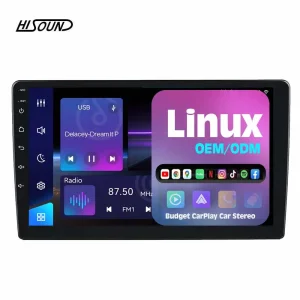
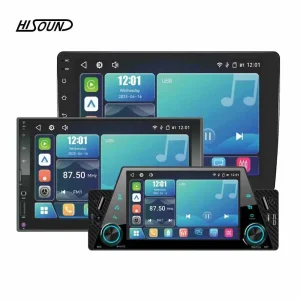
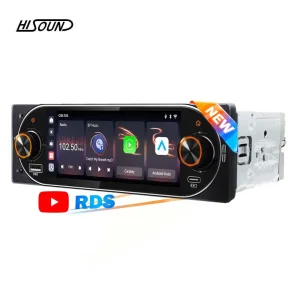
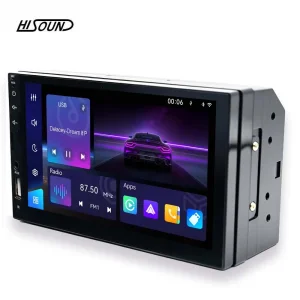
Highly ruggedized navigation terminals and specialty audio systems with international certifications
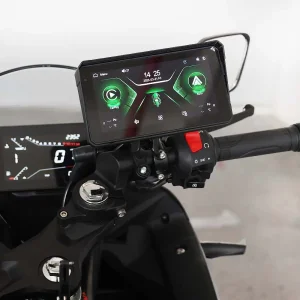
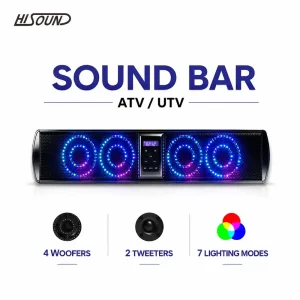
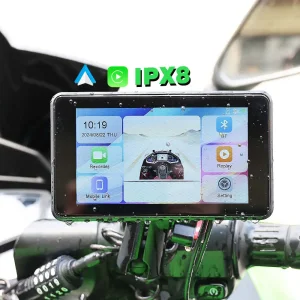
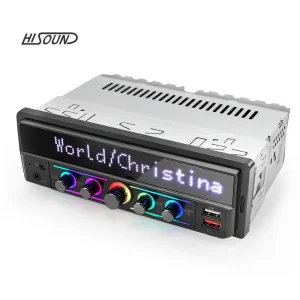
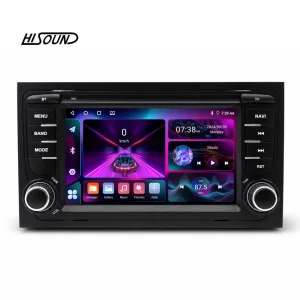
The global automotive industry is witnessing a clear architectural shift. Modern car electronics are transitioning away from complex proprietary platforms toward modular, standard systems. By separating the vehicle dashboard screen hardware from the smartphone operating system through Apple CarPlay and Android Auto, automakers and repair shops can extend the digital lifespan of any passenger car or commercial truck.
Under the EU's Waste Electrical and Electronic Equipment (WEEE) regulations, components must be designed for straightforward disassembly and recycling. Our units minimize the use of hazardous substances, conforming to strict EU environmental standards.
Key information regarding logistics, compliance, customization, and technical support for Berlin and European importers
Linux is favored for commercial applications due to its reliable performance, fast start-up speeds (less than 3 seconds), and lower hardware requirement. Unlike Android, which requires regular updates and runs heavy background tasks, Linux provides a stable environment optimized to run key features like wireless CarPlay, Android Auto, and reversing cameras without lag or system crashes.
Yes, all of our export products comply with European Union directives. They hold CE and RoHS certifications. We also perform rigorous testing for electromagnetic compatibility (EMC) to ensure the players do not interfere with standard car electronics or dashboard instruments.
We provide comprehensive OEM customization. This includes adding custom physical logos on the product bezel, designing customized retail packaging, and loading customized splash screen boot animations. We can also customize the system's software UI layout to match your company's corporate identity.
Each unit goes through simulated thermal chambers running from -20°C to +70°C to verify performance in extreme weather. We also use multi-axis vibration tables to ensure all physical connectors, screens, and solder joints hold up to long-term wear on rough roadways.
For custom OEM production, prototype verification takes about 7-14 days. Once samples are approved, mass manufacturing typically takes 25-30 days, followed by ocean transport to European freight hubs.
 Hisound carAudio