Engineered for compact dashes and direct replacement installations in Tokyo aftermarket distribution channels.
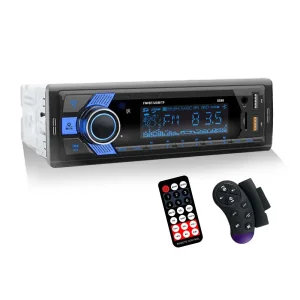
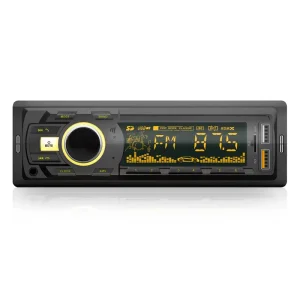
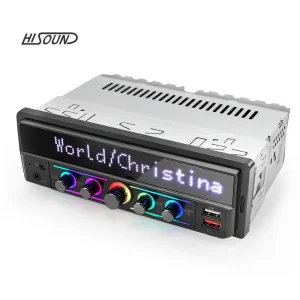
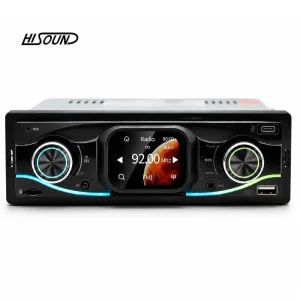
Deconstructing market entry barriers, changing demographic preferences, and distribution pathways in the Kanto region.
Tokyo’s automotive aftermarket represents one of the most sophisticated, yet highly structured, ecosystems globally. Characterized by dense urban configurations, a strict bi-annual vehicle inspection protocol (known locally as Shaken (車検)), and a clear preference for compact vehicles (particularly "Kei" cars or Light Passenger Vehicles), the city demands car audio solutions that balance minimal space usage with high-fidelity performance. While major global manufacturers focus on large screen integrations, there is a substantial, highly profitable niche for specialized 1 DIN Car MP3 and MP5 systems, alongside robust motorcycle navigation integrations.
Historically dominated by domestic giants like Pioneer (Carrozzeria), Kenwood, and Alpine, the Tokyo market is undergoing a structural transition. The rising cost of domestic components combined with the rapid acceleration of digital audio platforms has forced wholesale distributors and importers across Japan to seek resilient, cost-efficient manufacturing partners in China. To penetrate this market, exporters must address specific local preferences: absolute compliance with radio wave emissions (TELEC), electrical safety (PSE certification), and integration with standard Japanese DIN slots and wire harness configurations (such as the JASO standard antenna plug and specialized ISO adapters).
Furthermore, consumer preferences in Tokyo skew heavily toward clean design, intuitive user interfaces, and flawless Bluetooth 5.0 synchronization. Unlike other markets, urban Japanese drivers expect silent operations (low noise floor on amplifiers) and robust electrostatic discharge (ESD) protection due to dry winters. Successful car MP3 player exporters entering Tokyo must position themselves not merely as sellers of generic hardware, but as technical OEM/ODM partners capable of delivering custom firmware configurations and specialized housing molds that match the strict quality standards expected by Japanese automotive accessory chains such as Autobacs and Yellow Hat.
From kei-car spatial limits to heavy motorcycle delivery fleets, we map consumer requirements to hardware architectures.
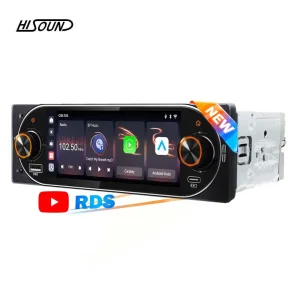
With standard micro-cars dominating Tokyo’s narrow residential lanes, single-DIN configurations with hidden depths or motorized screens are critical. These space-saving designs deliver high-fidelity sound without cluttering the center console.
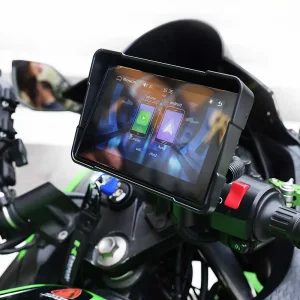
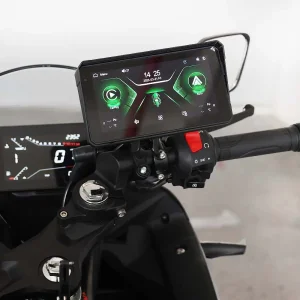
Tokyo's delivery networks (UberEats, Japan Post, local food services) demand IPX8 waterproof touch screens featuring wireless CarPlay/Android Auto. Drivers need glove-friendly screens, voice controls, and anti-glare coatings.
Tokyo Bay resorts, golf courses, and industrial warehouses utilize specialized vehicles (ATV/UTV soundbars, rugged marine-grade MP3 receivers) that can withstand high humidity, coastal salinity, and continuous operations.
Tailored replacements and niche vehicle integrations representing high-demand categories in Japanese metropolitan dealerships.
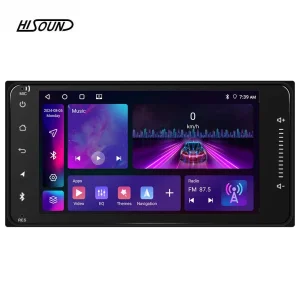
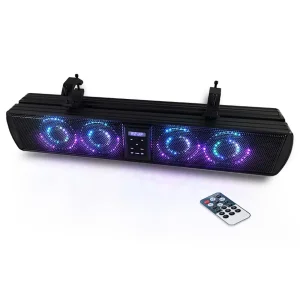
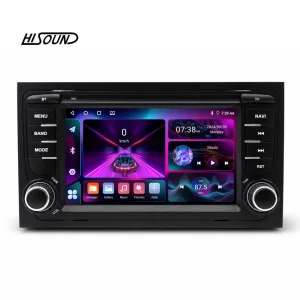
An architectural view of chipsets, wireless communication protocols, and display integration standardizations.
The hardware architecture of car audio in the Tokyo market is shifting away from physical CD mechanisms toward solid-state digital decoders and wireless hub interfaces. Our hardware roadmap is designed to meet strict Japanese standards for signal integrity, EMI/EMC mitigation, and high-resolution audio delivery. Key parameters defining our product development include:
| Feature Category | Current Specification Baseline | Advanced Tokyo Spec (ODM) | Future Development Target |
|---|---|---|---|
| Audio Decoding & DAC | MP3 / WMA (16-bit / 44.1kHz) | FLAC / ALAC (24-bit / 96kHz Lossless) | DSD over PCM (Direct Stream Digital / High-Res) |
| Wireless Connectivity | Bluetooth 4.2 Class II (10m range) | Dual Bluetooth 5.0 + Wi-Fi 5GHz (TELEC certified) | Bluetooth LE Audio & UWB Proximity Control |
| Display Lamination | Air Gap resistive touch panels | 2.5D Optical Full Lamination (800+ nits) | Direct-Bonded Flexible OLED (Automotive grade) |
| Thermal Endurance | Operating range: -10°C to +60°C | Operating range: -30°C to +85°C (AEC-Q100) | Operating range: -40°C to +105°C |
| RF & Shielding | Standard metal housing | Anti-interference copper shielding (CISPR 25 Class 5) | Integrated active EMI cancellation circuitry |
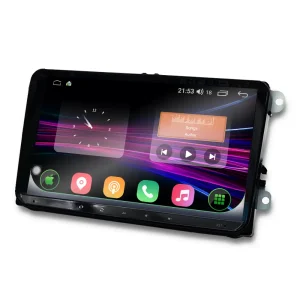
Furthermore, the convergence of mobile OS platforms dictates that single-DIN car radios must act as seamless bridges to smartphones. We are addressing this requirement by incorporating high-efficiency DSP (Digital Signal Processing) chips with 32-band equalization, allowing installers to tune sound stages inside compact, acoustically irregular vehicle cabins. By offering app-controlled interfaces, drivers can change RGB color lighting and tune high-pass/low-pass filters directly from their mobile phones.
Why direct China-to-Tokyo supply chains guarantee delivery speed, strict quality control, and engineering flexibility.
The primary challenge for Tokyo automotive component importers is balancing pricing with product quality. The Chinese automotive electronics manufacturing supply chain, particularly clustered in the Greater Bay Area, offers unmatched advantages in SMT (Surface Mount Technology) assembly line efficiency, raw material sourcing, and specialized plastic injection molding.
Our manufacturing facility utilizes high-precision Yamaha and Panasonic SMT placement machinery, ensuring component placement accuracy down to ±0.01mm. This process is crucial for preventing lead-free solder joint cracking due to road vibrations (meeting JIS D 1601 standards for automotive vibration testing). Furthermore, by utilizing localized private-mold casing and housing production lines, we eliminate standard licensing fees and bypass third-party mold mark-ups. This vertical integration allows us to deliver customized hardware prototypes to Tokyo-based design firms within 14 days, compared to the industry standard of 45 days.
Logistical proximity to key shipping terminals in Shenzhen and Guangzhou enables us to dispatch shipments that reach Tokyo Bay or Yokohama Port within 5 working days. This rapid transport window ensures that wholesale distributors can maintain lean inventory structures, relying on just-in-time container deliveries to match seasonal shifts in the retail car audio market.
Ensuring your import inventory is fully certified for Japanese radio regulations and safety mandates.
Entering the Japanese automotive aftermarket requires strict compliance with domestic legislation. Selling non-compliant wireless or power-handling products carries heavy legal penalties and risks permanent blacklisting by Japanese automotive chains. We guarantee full alignment with the following standards:
Any device utilizing Bluetooth or Wi-Fi bands must display the MIC mark (TELEC). Our export products undergo pre-testing in certified chambers to verify frequency tolerance, spurious emission compliance, and antenna power outputs.
For dynamic motorcycle navigation systems and units featuring external battery packs, we secure the Circle-PSE mark, confirming high-voltage insulation tests, fire safety, and cell stability criteria have been met.
To ensure plug-and-play installation without wire splicing, our systems conform to Japanese Automotive Standards Organization (JASO) guidelines, featuring direct compatibility with local antenna and power line layouts.
Addressing the critical supply chain, technical, and regulatory concerns of Tokyo car audio importers.
Premium motorcycle screens, Android head units, and specialized transit displays designed for the demanding Tokyo market.
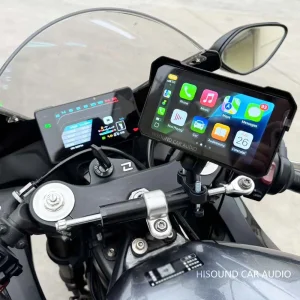
Looking to optimize your distribution in the Kanto region? Get in touch with our engineering and logistics specialists for bespoke OEM/ODM design proposals, bulk pricing, and full regulatory clearance guidance.
Send Inquiry Now Hisound carAudio