Engineered for high-vibration resilience, optimal solar readability under skyscraper shadows, and complete IPX8 waterproofing.
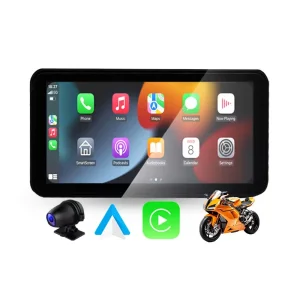
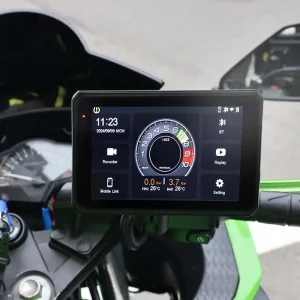
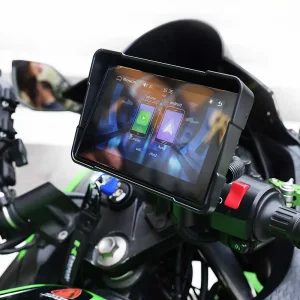
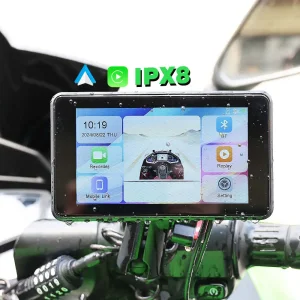
An in-depth analysis of hardware challenges, regional compliance parameters, and future wireless integrations in New York and global urban centers.
Operating a motorcycle, scooter, or commercial delivery fleet within the dense infrastructure of New York City (NYC) presents extreme technical demands for navigation hardware. With the rapid expansion of on-demand delivery services, food logistics, and micro-mobility platforms across the five boroughs, the city has seen an exponential rise in two-wheeled mileage. Navigating these urban canyons, however, introduces the severe challenge of GPS multipath interference (often referred to as the urban canyon effect), where signals bounce off high-rise buildings, leading to significant location inaccuracies.
Additionally, the physical environment of New York presents harsh demands: intense vibration from cobblestone streets, heavy winter salting, rapid temperature swings from hot, humid summers to sub-zero winters, and heavy rainfall. Standard consumer-grade mobile devices mounted on handlebars frequently fail due to thermal shutdown, charging port corrosion, or optical damage from direct sunlight. To address this, local commercial operators, fleet dispatch managers, and custom integration shops are shifting toward dedicated, vehicle-hardened smart displays. These systems support localized routing APIs, operate independently of high phone battery drain, and are designed to meet municipal and state transport guidelines.
"Navigating New York's road networks demands hardware that can withstand continuous mechanical vibration, maintain bright displays under direct sun, and connect reliably via dual-Bluetooth channels to rider intercoms and traffic control dispatch systems."
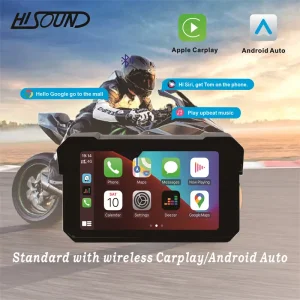
On a global scale, the motorcycle navigation industry is undergoing a structural shift from traditional standalone offline GPS systems toward unified smart infotainment displays. These modern systems connect to mobile devices via wireless Apple CarPlay and Android Auto protocols. This shift allows riders to run real-time, cloud-based navigation applications like Waze, Google Maps, and Rever, combined with real-time weather alerts and group riding communications.
In Europe and North America, there is also a rapidly increasing demand for integrated safety technologies. High-definition dual-channel dashboard cameras (DVRs) with loop recording are quickly transitioning from aftermarket options to standard requirements. They provide riders with essential video evidence for insurance validation and legal protection. At the same time, advanced developers are looking toward the integration of Artificial Intelligence at the edge, utilizing local processing to power blind-spot monitoring systems and offer collision warnings directly on the rider’s primary display.
Engineering hardware for open-cockpit vehicles requires strict adherence to specialized mechanical standards:
Providing global partners with specialized, private-label designs from initial concept validation through to mass production.
Tailor display dimensions, screen resolution, panel brightness, casing materials, and mounting layouts to fit specific vehicle platforms.
Develop custom boot screens, localized user interfaces, custom navigation routing software, and firmware tailored for specific industries.
Integrate specialized wiring harnesses, direct 12V-to-5V power converters, dual-channel DVR systems, and custom CAN-bus communication modules.
Design personalized product casings, laser-engraved logos, custom packaging, and provide full engineering documentation for retail release.
Every navigation display undergoes rigorous environmental and operational testing to ensure long-term reliability in the field.
Ensuring compliance with local state regulations while delivering robust performance for urban delivery fleets and long-distance touring.
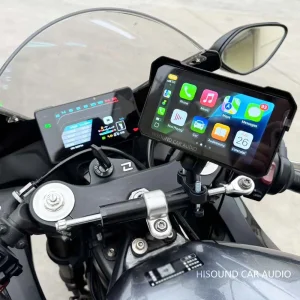
In boroughs like Manhattan and Brooklyn, delivery fleets navigate dense traffic and make frequent stops. Dedicated smart screens allow riders to keep their phones safely secured in their pockets, reducing the risk of device theft or damage from road vibration. By routing navigation directly to the handlebar display and audio to a helmet headset, couriers can navigate complex urban networks hands-free.
For riders traveling scenic routes through upstate New York, like the Catskills or the Adirondacks, maintaining connectivity is essential. When cellular coverage becomes spotty, built-in GPS positioning combined with pre-loaded offline maps ensures riders stay on course. High-luminance displays make it easy to see routes clearly even when transitioning through heavily shaded forest roads.
New York State enforces strict laws regarding phone use while operating a vehicle. Standard smartphones mounted on handlebars can lead to traffic citations under hand-held device regulations. Our displays connect via wireless CarPlay and Android Auto, allowing riders to control navigation, calls, and music safely using voice commands or simple touch controls, complying with local hands-free laws.
Traffic in metropolitan New York can be unpredictable and complex. Incorporating a dual-channel HD dashboard camera (DVR) into the navigation system provides continuous front and rear recording. This video footage serves as reliable evidence for insurance claims and liability protection in the event of an road incident.
Our ongoing research and development focus for next-generation smart motorcycle displays.
Developing modules that support Vehicle-to-Everything (V2X) communications, allowing screens to receive real-time hazard warnings directly from city infrastructure and surrounding vehicles.
Developing lightweight head-up display (HUD) projections that pair with our navigation units, displaying essential directions directly onto helmet visors for a more focused riding experience.
Integrating local processing chips that analyze road conditions and suggest routes in real-time, helping delivery and courier services avoid congested areas automatically.
Our manufacturing facility uses advanced environmental testing chambers to ensure each display meets strict performance standards before shipment.
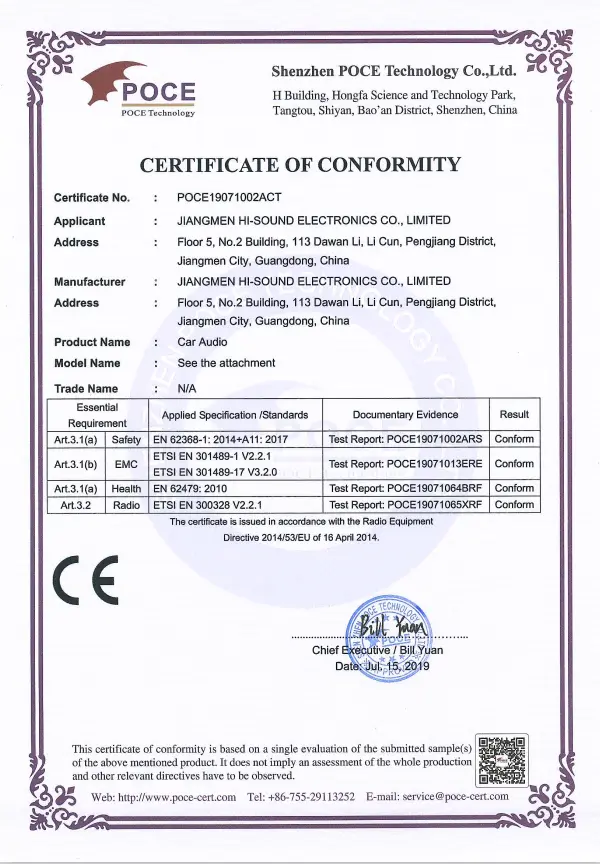
Simulates extended operation on uneven roads, cobbles, and high-vibration engine mounts to ensure internal solder joints remain secure.

Tests displays under extreme temperatures ranging from -20°C (-4°F) to 70°C (158°F) to ensure stable operation during rapid seasonal transitions.
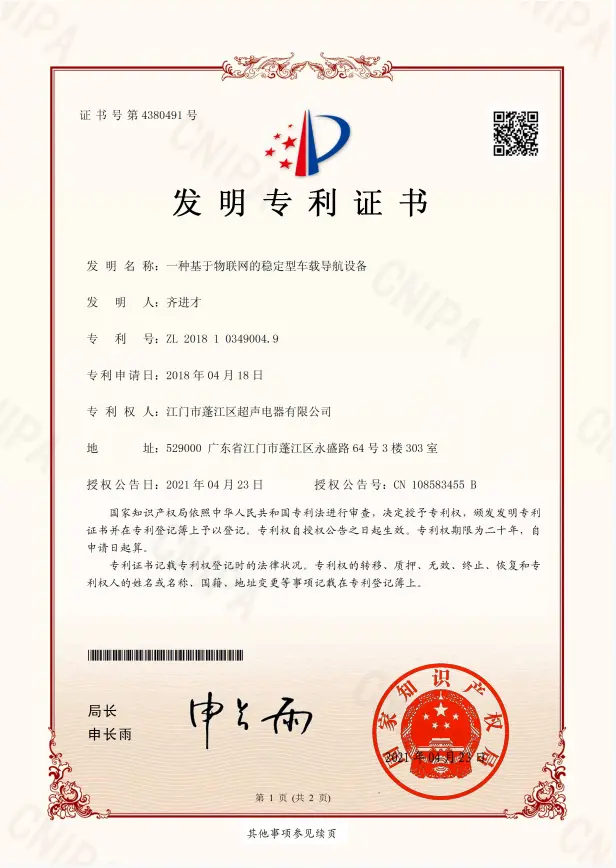
Tests the display's sealing under high-pressure water jets and submersion, verifying complete protection against water ingress.
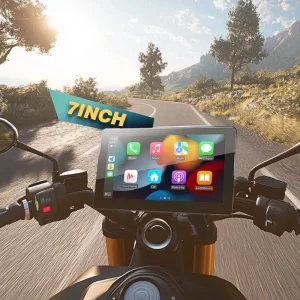
From large 7-inch displays designed for touring bikes to compact solutions for commercial urban fleets.
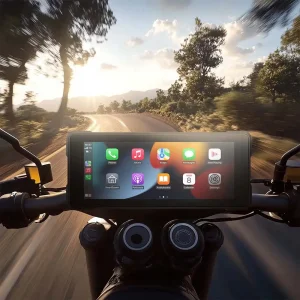
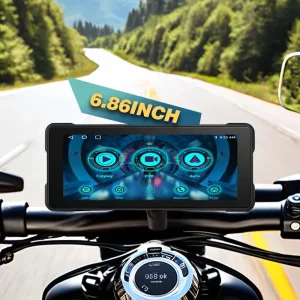
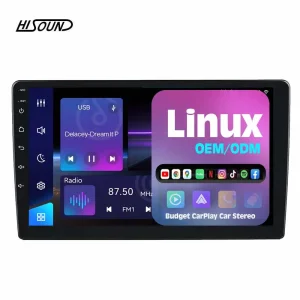
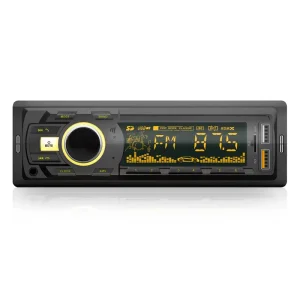
Technical details, installation support, and compliance information for motorcycle navigation systems in New York.
 Hisound carAudio