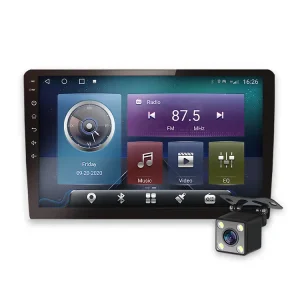
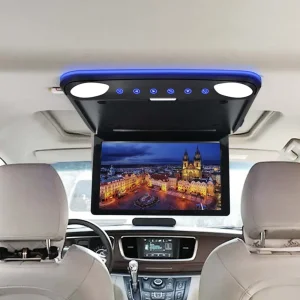
Industrial-grade automotive interfaces configured for localized smart transit networks.
Seoul represents one of the most technologically advanced urban markets in the world, with a heavy emphasis on smart transport, connected cockpits, and immediate IoT adoption. As the capital of South Korea—home to automotive giants Hyundai and Kia—local consumer expectations for in-vehicle infotainment (IVI) are exceptionally high. However, thousands of vehicles, from commercial logistic delivery trucks running across Gyeonggi-do to older imported passenger sedans in Gangnam, lack modern integrated wireless dashboard systems.
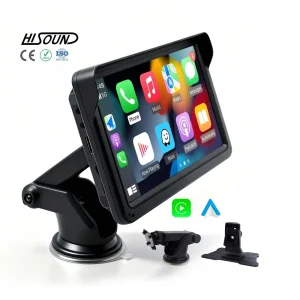
This mismatch has created an unprecedented demand for portable CarPlay and standalone Android Auto solutions. These units serve as plug-and-play upgrades that bypass the high cost of original dashboard disassembly, offering drivers immediate access to local navigation systems such as T-Map, KakaoNavi, and Naver Map.
For international buyers and local distributors in Seoul, procuring portable display systems requires verifying crucial standards: electromagnetic compatibility certifications (such as KC for Korea, CE, and FCC), thermal stability up to 80°C to withstand direct sunlight on dashboards, and customized software options configured for local navigation APIs.
On a global scale, the vehicle infotainment sector is moving rapidly away from wired configurations and fixed, non-upgradable head units. The portable CarPlay sector has experienced double-digit compound annual growth over the last three years. By leveraging dual-band Wi-Fi (5.8GHz for wireless screen projection and 2.4GHz for accessory control) and dual-channel Bluetooth, modern portable car stereos deliver zero-latency navigation and audio performance. Wholesalers in Europe, North America, and East Asia are capitalizing on this upgrade wave, supplying fleets, utility cars, and second-hand auto dealers.
When analyzing supply chain competitiveness, Chinese electronics factories stand out by blending vertical integration with rapid iteration. For products like the Hisound 7-Inch Portable Car Stereo or the TS18 Android Player, manufacturers in Guangdong control everything from PCB board SMT assembly to optical screen lamination and private mold plastic injection.
The practical execution of portable systems in Seoul stretches beyond standard passenger cars:
Engineered to deliver high performance under tough conditions.
We use imported foam adhesive and high-pressure defoaming chambers to seal the display to the casing, achieving high-grade water resistance.
Patented detachable design allows drivers to remove the main unit instantly. Includes built-in DVR recording capabilities.
2.5D full lamination with high-brightness backlights ensures excellent readability even in direct mid-day sunlight.
Every manufacturing batch undergoes vibration, water intrusion, drop, and thermal stress tests to secure CE, RoHS, and ISO certifications.
Ensuring structural integrity and electronics durability through automated QC equipment.
Validates thermal performance, preventing system crashes and screen delamination during extreme seasonal temperature swings.
Simulates high-pressure rain and deep immersion, certifying our motorcycle navigation screens for real-world all-weather use.
Simulates rough roads, speed bumps, and off-road trails to guarantee internal solder joints and connectors remain secure.
Every unit undergoes a continuous 48-hour active run-time test, flashing firmware and testing wireless chipsets before packaging.
Key information for automotive electronics distributors and procurement managers.
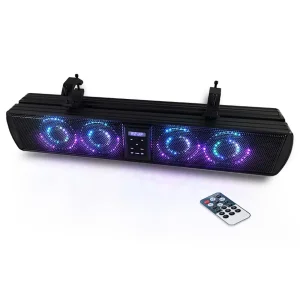
Premium multimedia players, soundbars, and motorcycle navigation systems.
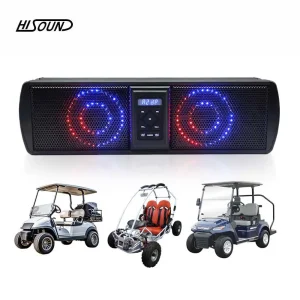
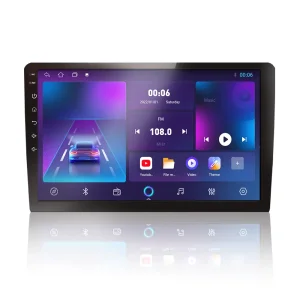
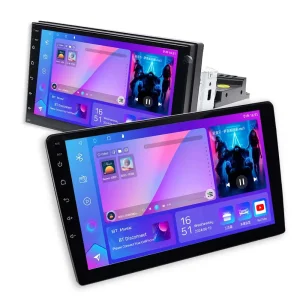
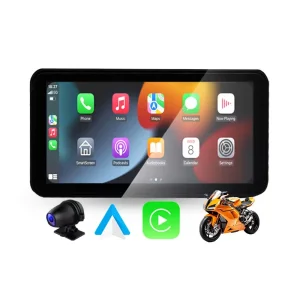
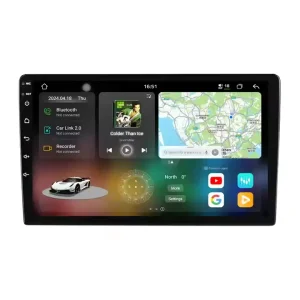
Get in touch with our engineering and procurement team for custom hardware configurations, bulk shipping rates, and customized firmware builds.
Send Inquiry Now Hisound carAudio