Highly-engineered Android headrest and flip-down solutions tailored for Osaka's VIP passenger transport, taxi networks, and automotive importers.
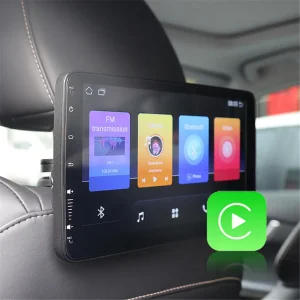
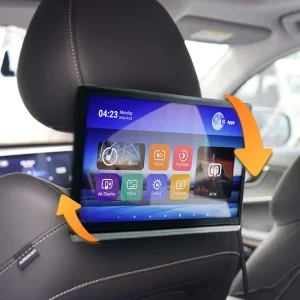
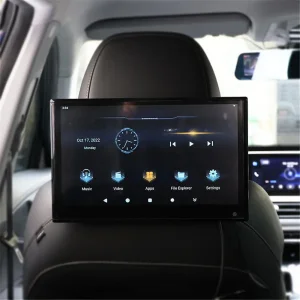
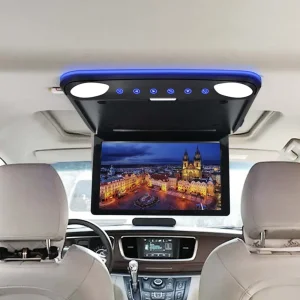
The metropolitan area of Osaka, spanning across the Keihanshin region, represents one of Japan's most dynamic and demanding landscapes for commercial logistics and luxury VIP passenger transport. Over the last decade, regional taxi giants such as MK Taxi and private tourism operators have undergone a radical digital transformation. The integration of high-performance Rear-Seat Car Screens is no longer considered an optional luxury accessory. Today, it stands as a core customer-retention mechanism and a vital monetization platform for interactive transit advertising.
From a logistics and domestic manufacturing standpoint, Kansai serves as a hub for advanced chemical, electronics, and precision metal component production. This creates a highly technical local ecosystem where local car modification shops, automotive engineering companies, and fleet operators apply rigorous standards to components entering their supply chains. The requirements of the Osaka market demand hardware that features automotive-grade LCD panels, stable Android OS structures that resist harsh Kansai summer heat (up to 80°C cabin temps), and electromagnetic compatibility (EMC) compliance with Japanese electronic guidelines (VCCI / PSE).
Integration of dual-band Wi-Fi (2.4Ghz/5.8Ghz) to support latency-free wireless pairing of personal smartphones. This permits passengers to play music, stream Netflix, and view personalized maps directly on their dedicated headrest monitor.
Modern corporate executives traveling through Osaka's business districts use travel time to conduct meetings or presentations. Our dual HDMI interfaces allow seamless mirroring of laptops or connection of gaming systems for high-definition multimedia content.
Aligning with VIP transport aesthetics, integrated ambient light bands dynamically sync with vehicle systems or media output, boosting luxury ride appeal for VIP transport fleets.
How we assist automotive distributors and importers in Osaka from initial concept to high-volume manufacturing deployment.
Our engineering team specializes in customization to match vehicle layout limitations and electronic constraints. For Osaka-based buyers, we offer bespoke bracket systems for major Japanese automotive brands, high-pressure foam lamination to eliminate optical glare, and customized Android firmware incorporating regional settings.
Reliability is the foundation of E-E-A-T. Every unit manufactured is subjected to standard lab tests to guarantee long-term durability:
Confirm size, layout, custom brackets, & branding requirements
Engineering team creates UI and hardware layout mocks
Sample creation with vibration, temp, & IPX8 waterproof validations
Custom branding, private packaging, & customized firmware UI setup
Full-scale production under ISO-certified quality guidelines
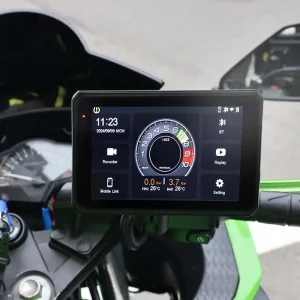
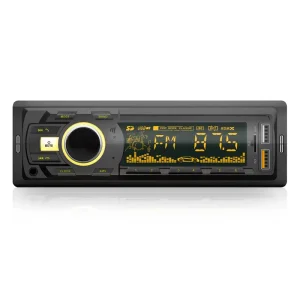
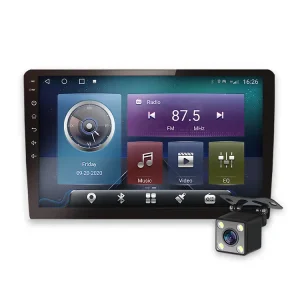
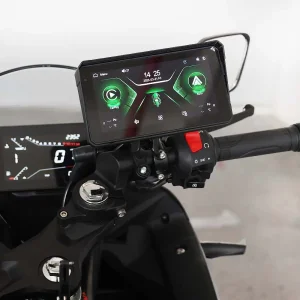
Advanced motorcycle GPS navigators, portable screens, and multi-way audio speaker configurations designed for regional distributors, suppliers, and customization shops.
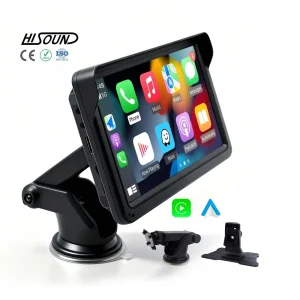
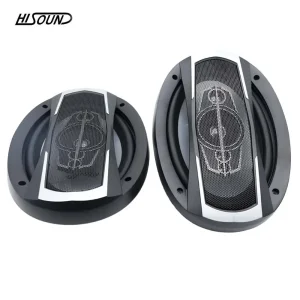
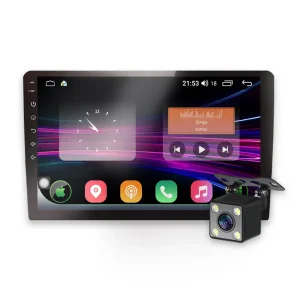
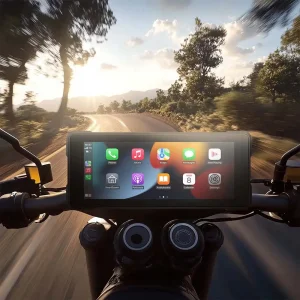
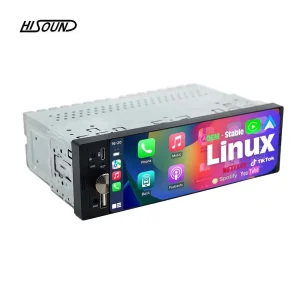
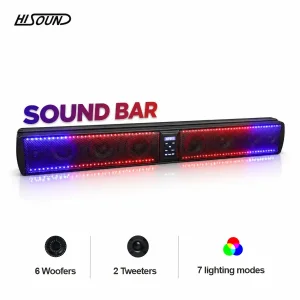
As the automotive world moves towards Level 4 Autonomy and unified cloud-based infotainment architectures, the function of the rear-seat car screen is evolving. The traditional local media player model is being replaced by integrated smart terminals that connect with external environments. Here is a technical roadmap detailing how Hisound plans to support the Osaka automotive market over the next five years:
Integration of native 5G modules directly onto the main system board (SoC). This allows real-time interactive advertising, cloud gaming, and high-definition video conferencing without relying on passenger hotspots.
Bidirectional mirroring and screen management capabilities between the vehicle dashboard, front center console, and multiple rear passenger monitors. This enables collective media control or independent usage options.
Incorporation of Time-of-Flight (ToF) cameras and gesture sensors, allowing passengers to control volume, change content, or adjust seat climate systems with simple hand movements.
Detailed technical explanations from our Senior SEO Growth Director and Automotive Product Specialist.
A: Our screens utilize specialized automotive-grade LCD panels, which are significantly different from standard home tablets. They incorporate thin-film transistors (TFTs) with high liquid crystal clearing points. The integrated circuit and core processor (SoC) are paired with heat-dissipating aluminum plates and structural ventilation pathways. Every unit undergoes rigorous chamber testing from -30°C to +80°C to ensure zero panel discoloration or operating system crashes under high solar loads.
A: Yes. We offer firmware customization (custom ROM development) that supports multi-language configurations, including Japanese UI, and pre-integrates native navigation platforms. Furthermore, our screens feature dedicated HDMI-in interfaces, allowing seamless connection to external Japanese ISDB-T digital TV receivers, enabling passengers to watch high-definition local news and broadcasts.
A: For Japanese imports, electrical devices containing AC adapters or direct power cables must comply with the Electrical Appliance and Material Safety Act (PSE certification). Our production facilities hold various ISO certifications, and our products can be calibrated to meet VCCI EMC requirements. We offer FOB, CIF, or DDP shipping terms to Osaka port, providing the complete technical documentation package for Japanese customs clearance.
A: Our rear-seat monitors contain an onboard FM modulator. Importers or end-users select an unused FM frequency on the car's primary head unit and match it to the monitor's output channel. The audio signal is then transmitted wirelessly over the airwaves directly to the car's factory speaker system. For private listening, the screens also support dual-channel Bluetooth transmission for headphones, alongside a standard 3.5mm AUX headphone jack.
A: For standard hardware with customized boot screen logos and localized OS defaults, the MOQ is 100 units. For fully customized private-mold plastics or bespoke mounting structures designed for specific commercial vans, the MOQ typically ranges between 500 and 1,000 units. We provide initial functional prototype samples for engineering validation prior to full production runs.
 Hisound carAudio