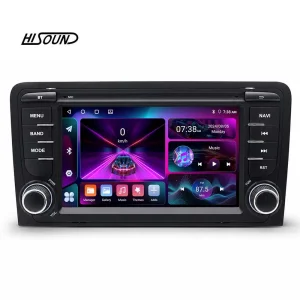
Pioneering transit entertainment with smart Android systems optimized for Kuala Lumpur's passenger transport and commercial fleets.
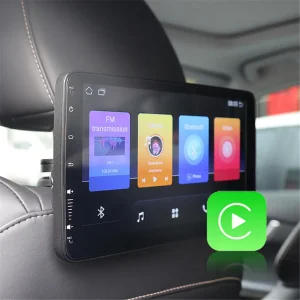
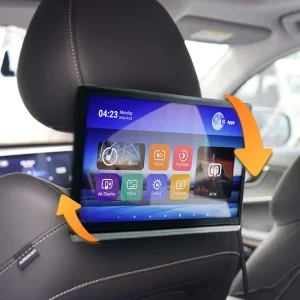
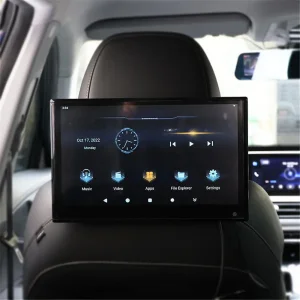
Our engineering division designs customized hardware and software specifically configured for Southeast Asian road conditions and thermal requirements.
Customize screen size, resolution, brightness, touch panel, waterproof structure, and mounting design to match your specific vehicle application requirements.
Customize localized maps (compatible with Waze & Google Maps API), navigation UI, localized voice guidance, and vehicle tracking systems.
Precision-molded brackets, custom wiring harnesses, and digital CAN bus interfaces designed for premium passenger vehicles, executive shuttles, and luxury vans.
Get comprehensive private-label support: OEM bezel brand engraving, customizable boot UI logos, customized packaging, and direct engineering assistance from sample to manufacturing.
Comprehensive environmental screening including extreme vibration testing, high-temperature thermal cycle storage, and advanced optical lamination checks.
Seamless manufacturing scale-up with end-to-end supply chain traceability, localized firmware flashing, and continuous quality audits.
In-vehicle entertainment and rear-seat infotainment (IVI) systems have evolved from simple media players into connected, interactive smart hubs. For Kuala Lumpur, a central logistics and corporate node in Southeast Asia, the demand for sophisticated rear-seat car screens has surged. Fleet operators, rideshare networks, luxury car rental agencies, and automotive distributors are upgrading passenger compartments to meet modern digital expectations.
Kuala Lumpur's urban transportation landscape is characterized by high commuter density, extensive ride-hailing usage, and a prominent luxury tourism sector. Executive travelers commuting between the Kuala Lumpur City Centre (KLCC) and Kuala Lumpur International Airport (KLIA) require connected mobile office features. Our high-resolution, multi-point touch rear-seat displays provide seamless integration with cloud services, wireless screen mirroring, and high-speed Wi-Fi connectivity. This allows business professionals to run presentations, attend video calls, or stream media during transit.
Moreover, the growth of ride-hailing networks like Grab in Malaysia has led fleet managers to look for ways to stand out. Integrating smart interactive screens behind driver and front-passenger headrests improves the passenger experience and opens up new revenue streams through geo-targeted mobile advertising, payment terminal integrations, and local tourism portals.
Operating automotive displays in tropical climates like Kuala Lumpur's requires careful thermal management. Temperatures inside parked vehicles in Malaysia can easily exceed 70°C. Standard consumer tablets will quickly degrade, experience battery swelling, or face thermal shutdown under these conditions. Our commercial-grade screens are built with industrial automotive-grade components, including:
Safety is a priority when installing aftermarket or OEM screens in passenger vehicles. Our displays comply with international automotive safety guidelines, including E-Mark certification, CE standards, and RoHS regulations. In Malaysia, we align our product development with the specifications of the Road Transport Department (JPJ) and SIRIM QAS International:
To ensure passenger safety in collisions, we construct our screen housings from high-impact ABS-polycarbonate blends that do not splinter. Tempered safety glass with anti-shatter coatings prevents sharp fragments in the event of an impact. Our custom headrest mounting brackets are crash-tested to ensure they remain securely attached under high deceleration forces, protecting rear-seat occupants.
As a leading Chinese manufacturer, we combine advanced electronics supply chains with cost-efficient production models. This allows us to supply high-quality, cost-effective rear-seat screens directly to the Kuala Lumpur market. Our factories in Shenzhen and Guangzhou are close to major shipping hubs, allowing us to ship directly to Port Klang with minimal lead times. This gives Malaysian distributors, automotive modification houses, and corporate fleet buyers several advantages:
Modern rear-seat displays are moving away from offline DVD players toward fully connected smart devices. Key trends driving the market include:
Explore our full range of certified rear-seat entertainment monitors, smart navigation devices, and automotive audio components.
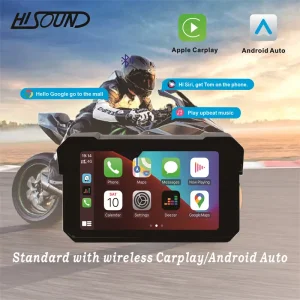
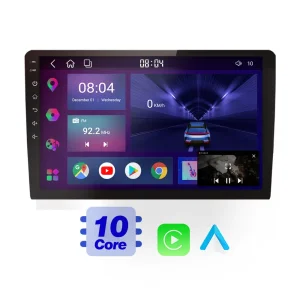
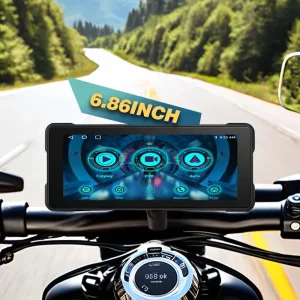
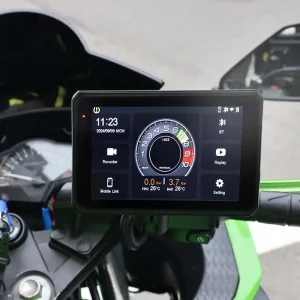
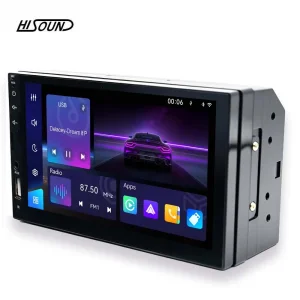
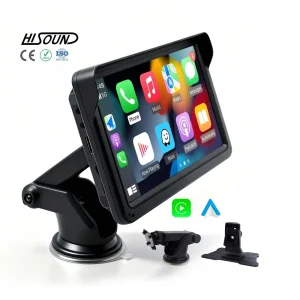
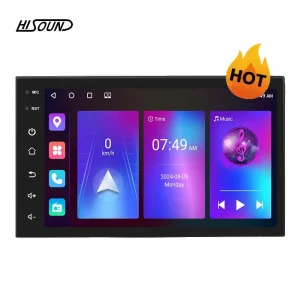
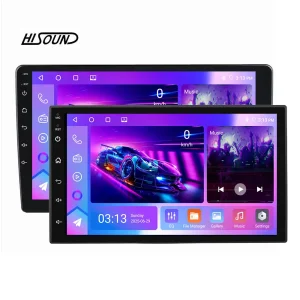
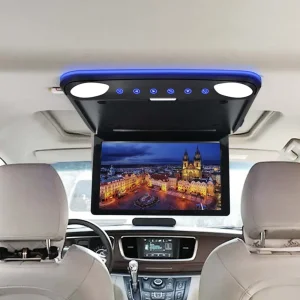
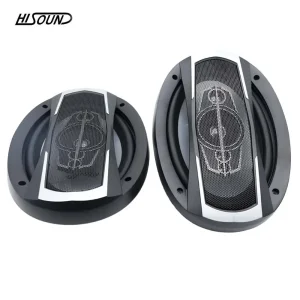
Our strict multi-phase quality control and validation pipeline ensures zero-defect operations for high-demand deployments.
Function Test
Product Line Inspection
Motorcycle Screen Testing
System Aging Test
Laser Logo Printing
Waterproof Verification
Clear, direct technical answers regarding importing, customizing, and installing our rear-seat displays.
Yes. Our screens are manufactured to meet CE, FCC, and RoHS standards, and we support local importers in obtaining SIRIM QAS certifications. Mechanically, they use high-impact ABS frames and anti-shatter tempered glass, complying with Malaysia Road Transport Department (JPJ) guidelines regarding interior passenger modifications.
Our screens feature specialized thermal protection. We use industrial-grade components, fanless thermal housings, and high-temperature capacitors that work reliably up to 85°C. This prevents screen separation, battery expansion, and thermal shutdown even when parked under direct sunlight.
We offer comprehensive software customization (ODM). We can pre-configure the Android operating system to boot with your brand's logo, set up custom applications, and pre-install navigation maps with Malaysian-accented voice guides. The system fully supports English, Malay, Mandarin, and Tamil interfaces.
Standard custom samples take 7 to 14 days to assemble and test. Bulk orders are processed and manufactured within 25 to 30 days. Shipping from the Port of Shenzhen or Guangzhou to Port Klang takes about 7 to 10 days, making the transit time highly predictable.
Yes, our systems offer multiple audio connection options. They can stream audio wirelessly via an integrated FM transmitter, connect directly through Bluetooth to the main head unit, use standard 3.5mm headphone jacks, or output directly to vehicle speakers through RCA/CAN bus audio routings.
Partner with an industry-leading manufacturer. Contact our engineering team for detailed datasheets, custom price sheets, and sample availability for the Malaysian market.
Send Inquiry Now Hisound carAudio